

Operation Process and Working Principle of Unattended Material Feeding Pneumatic Conveying Line
Shandong HeadPowder Engineering Co., Ltd. specializes in the design, manufacturing, and installation of advanced pneumatic conveying systems, including unattended material feeding lines. These systems are engineered to efficiently transport bulk materials from storage to processing units without manual intervention, ensuring consistent performance and operational reliability.

As a leading provider in the industry, HeadPowder is headquartered in Shandong, China, and is committed to delivering high-quality solutions tailored to diverse industrial needs. The company's expertise lies in integrating cutting-edge technology with robust engineering to create efficient, low-maintenance conveying systems.
Unattended Material Feeding Pneumatic Conveying Line: A Comprehensive Overview
At the core of modern material handling is the unattended material feeding pneumatic conveying line, a sophisticated system designed to automate the transfer of bulk materials. This technology eliminates the need for human operators at the feeding stage, streamlining production workflows and reducing labor costs. The system operates by using compressed air or other gas to create a flow that propels materials through a network of pipes, ensuring precise and continuous material delivery.

Operation Process of the Unattended Material Feeding Pneumatic Conveying Line
The operation of an unattended material feeding line involves several key steps, each optimized for efficiency and reliability. Initially, bulk materials are stored in a hopper or silo, where they are held until needed. When the system is activated, a feeder or valve releases the material into the conveying line. Compressed air is then introduced into the system, creating a pressure differential that drives the material through the pipes. The material travels at high velocity, maintaining a consistent flow rate that ensures no blockages or delays. Upon reaching the destination, the material is discharged into a receiving hopper or processing unit, completing the cycle. The entire process is automated, with sensors and control systems monitoring pressure, flow rate, and material level to maintain optimal performance.
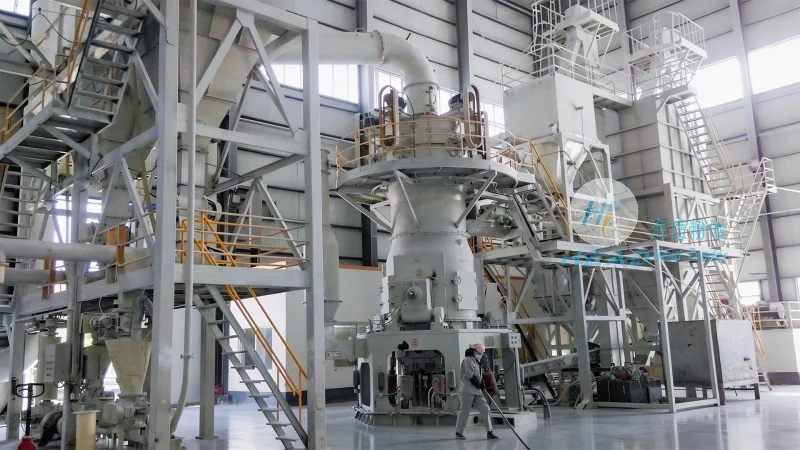
Working Principle of the Unattended Material Feeding Pneumatic Conveying Line
The working principle of this system is based on the fundamental physics of fluid dynamics and particle transport. The system utilizes a positive displacement or suction method to move materials. In the positive displacement method, a rotary valve or piston feeder pushes material through the line, while compressed air provides the necessary force to maintain flow. The suction method, on the other hand, uses a vacuum pump to draw material from the source into the line. Both methods rely on the principle of creating a pressure gradient that propels the material forward. The system is equipped with filters and cyclones to separate air from the material, ensuring that only the desired product reaches the destination. Additionally, the system includes safety features such as pressure relief valves and emergency shut-off mechanisms to prevent accidents and protect equipment.
Key Features and Benefits of the Unattended Material Feeding Pneumatic Conveying Line
HeadPowder's unattended material feeding pneumatic conveying lines offer several advantages that make them ideal for various industrial applications. These systems are designed to handle a wide range of materials, including powders, granules, and bulk solids, with minimal degradation or loss. The automated operation reduces human error and labor costs, while the consistent flow rate ensures stable production output. The system's compact design allows for easy integration into existing facilities, and its low maintenance requirements minimize downtime. Furthermore, the use of compressed air as the primary energy source makes the system energy-efficient and environmentally friendly. The unattended nature of the system also enhances safety by eliminating the need for operators to be in close proximity to moving parts or hazardous materials.