

Operation Process and Working Principle of Pneumatic Conveying Equipment for Zinc Roast Sand Materia
HeadPowder, a leading engineering company based in Shandong, China, specializes in the design and manufacturing of advanced pneumatic conveying systems tailored for handling zinc roast sand materials. This equipment is crucial in the zinc production industry, ensuring efficient material transport from processing units to storage or further treatment stages. The following content provides a detailed overview of the operation process and working principles of such systems, highlighting the technical aspects and practical applications.

Company Profile: Shandong HeadPowder Engineering Co., Ltd.
HeadPowder, with its headquarters in Shandong, China, is a reputable engineering firm dedicated to providing high-quality industrial solutions. The company focuses on developing innovative pneumatic conveying technologies that meet the stringent requirements of modern zinc processing plants. By leveraging years of experience and expertise, HeadPowder delivers reliable equipment that enhances operational efficiency and reduces downtime in material handling processes.
Working Principle of Pneumatic Conveying Systems for Zinc Roast Sand
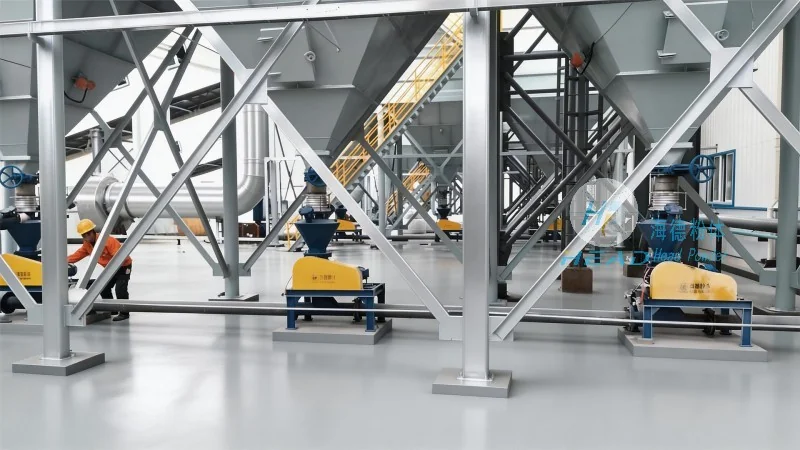
The pneumatic conveying equipment for zinc roast sand operates on the principle of transporting bulk materials through a pipeline using a stream of air or other gas. The system typically consists of a hopper for material storage, a feeder to control the flow rate, a compressor or blower to generate the air flow, and a pipeline network that transports the material. The process begins when the zinc roast sand is fed into the hopper. The feeder then regulates the material discharge, ensuring a consistent flow. Simultaneously, the compressor generates high-pressure air, which is introduced into the pipeline. As the air flows through the pipeline, it creates a low-pressure zone that draws the material particles into the air stream. The mixture of air and material travels through the pipeline to the destination point, such as a storage silo or processing unit. The system may include additional components like cyclones or filters to separate the material from the air at the end of the pipeline, ensuring clean material delivery.

Operation Process of the Pneumatic Conveying Equipment
The operation process of the pneumatic conveying equipment for zinc roast sand involves several key steps that ensure smooth and efficient material transport. First, the system is initiated by starting the compressor, which builds up the necessary air pressure. Simultaneously, the feeder is adjusted to control the material feed rate, matching the air flow to prevent blockages or excessive pressure. The material is then discharged from the hopper into the pipeline, where it is entrained by the air stream. The mixture travels through the pipeline, with the air velocity maintained at a level sufficient to keep the material suspended and prevent deposition. At the receiving end, the material is separated from the air using a cyclone or filter, and the clean material is collected in the storage vessel. The system may also include a control panel that monitors pressure, flow rate, and material level, allowing operators to adjust parameters in real-time to optimize performance. Regular maintenance, such as cleaning the hopper and pipeline, is essential to prevent clogging and ensure long-term reliability.
Advantages of Using Pneumatic Conveying Equipment for Zinc Roast Sand
Implementing pneumatic conveying systems for zinc roast sand offers several advantages over traditional mechanical conveying methods. Firstly, the equipment provides a closed system, which minimizes dust emissions and improves workplace safety. This is particularly important in zinc processing, where dust can be hazardous to workers and the environment. Secondly, the system offers high efficiency in material transport, with the ability to handle large volumes of material over long distances without the need for multiple transfer points. This reduces the risk of material degradation and loss during handling. Additionally, the pneumatic conveying equipment is flexible in terms of layout, allowing for easy integration into existing plant designs. The system can be customized to suit specific plant requirements, including varying material properties and transport distances. Finally, the equipment requires less maintenance compared to mechanical systems, as there are fewer moving parts and less wear and tear on components.

Conclusion and Company Commitment
HeadPowder, based in Shandong, China, continues to be a trusted partner in providing advanced pneumatic conveying solutions for zinc roast sand materials. By combining technical expertise with innovative design, the company ensures that its equipment meets the highest standards of performance and reliability. The operation process and working principles outlined above demonstrate the efficiency and effectiveness of the systems, which are essential for modern zinc production plants. HeadPowder's commitment to quality and customer satisfaction ensures that clients receive tailored solutions that enhance their operational capabilities and contribute to long-term success in the industry.