

[Arylate Rubber Material Pneumatic Conveying System: Operation Process and Working Principle]
HeadPowder Engineering, a leading provider of industrial material handling solutions, specializes in the design and implementation of advanced pneumatic conveying systems tailored for acrylate rubber materials. This article provides a detailed overview of the operation process and working principles of such systems, highlighting the technical aspects and practical applications that ensure efficient material transport in industrial settings.

Introduction to Pneumatic Conveying Systems for Acrylate Rubber
Pneumatic conveying systems are widely used in the rubber and polymer industries to transport acrylate rubber materials from storage silos or processing units to manufacturing equipment. These systems utilize air or other gases to move bulk materials through a network of pipes, offering advantages such as dust-free operation, reduced material degradation, and the ability to handle a wide range of material properties. The design of a pneumatic conveying system for acrylate rubber must consider factors like material density, flowability, and the need for gentle handling to prevent degradation or agglomeration.
Key Components of the Pneumatic Conveying System
The pneumatic conveying system for acrylate rubber typically consists of several critical components that work in concert to ensure efficient material transport. These components include a material feeder, a conveying line (often equipped with pressure or vacuum control), a separation or filtration system, and a discharge unit. The material feeder, such as a rotary valve or a screw feeder, regulates the flow of acrylate rubber into the system, ensuring a consistent and controlled feed rate. The conveying line, which may be operated under pressure (positive pressure) or vacuum (negative pressure), transports the material through the system. Positive pressure systems use a blower or compressor to push air and material through the pipes, while vacuum systems use a vacuum pump to draw material into the system. The separation or filtration system is crucial for removing dust or fines from the air stream, protecting downstream equipment and ensuring compliance with environmental regulations. The discharge unit, often a rotary valve or a metering device, controls the release of material from the conveying line to the final destination, such as a mixer or processing machine.

Operation Process of the Pneumatic Conveying System
The operation process of a pneumatic conveying system for acrylate rubber involves several sequential steps that ensure smooth and efficient material transport. The process begins with the loading of acrylate rubber into the storage silo or hopper. The material feeder then draws the material from the storage container and feeds it into the conveying line. Simultaneously, the air compressor or vacuum pump starts operating, creating the necessary pressure or vacuum to move the material through the system. As the material is fed into the line, it is mixed with the air stream, forming a slurry or suspension that travels through the pipes. The conveying line may include bends, expansions, or other components to guide the material flow, and the system is designed to maintain a consistent air-to-material ratio to prevent clogging or excessive pressure drops. At the discharge end, the material is separated from the air stream, typically through a cyclone or filter, and collected in a receiving hopper or directly into the processing equipment. The system continuously monitors pressure, flow rate, and other parameters to ensure optimal performance and to detect any issues that may arise during operation.

Working Principles of the Pneumatic Conveying System
The working principles of a pneumatic conveying system for acrylate rubber are based on the fundamental physics of fluid dynamics and material transport. In a positive pressure system, the air compressor generates a high-pressure air stream that is introduced into the conveying line at the inlet. The pressure difference between the inlet and the discharge end drives the movement of the acrylate rubber material. The material is entrained in the air stream, and the air flow velocity is maintained above the minimum fluidization velocity to prevent material settling or clogging. The air-to-material ratio is carefully controlled to ensure that the material is fully suspended and transported efficiently. In a vacuum system, the vacuum pump creates a low-pressure environment at the discharge end, drawing the material and air stream into the system. The material is then transported towards the inlet, where it is discharged into the processing equipment. The working principles of both systems rely on the balance between air flow rate, material feed rate, and system pressure or vacuum to achieve optimal conveying performance.
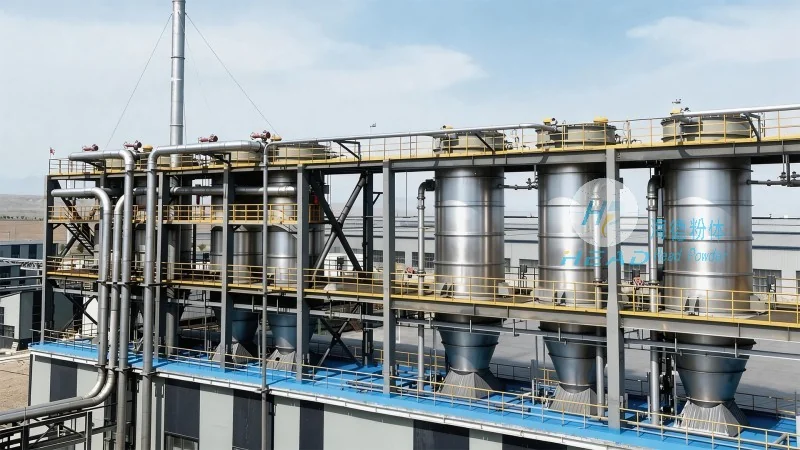
Benefits and Applications of Acrylate Rubber Pneumatic Conveying Systems
The use of pneumatic conveying systems for acrylate rubber materials offers several benefits that enhance operational efficiency and product quality. These systems provide a dust-free and clean environment, reducing the risk of contamination and improving workplace safety. The gentle handling of acrylate rubber prevents material degradation, such as agglomeration or surface damage, which can affect the final product properties. Pneumatic conveying systems also offer flexibility in material transport, allowing for the movement of materials between different processing units or locations within a facility. This flexibility is particularly valuable in complex manufacturing processes where materials need to be transferred to multiple destinations. Additionally, the systems are designed to be compact and space-efficient, making them suitable for installations in limited spaces or in existing facilities where space is at a premium.
Conclusion and Company Information
HeadPowder Engineering Co., Ltd., based in Shandong, China, is a trusted provider of pneumatic conveying systems for acrylate rubber materials. With a focus on technical expertise and customer-centric solutions, the company designs and implements systems that meet the specific needs of its clients. By leveraging advanced engineering and material handling technologies, HeadPowder ensures that its pneumatic conveying systems deliver reliable, efficient, and cost-effective material transport solutions for the rubber and polymer industries. The company's commitment to quality and innovation has made it a leading choice for businesses seeking to optimize their material handling processes and improve overall operational performance.