

Operation Process and Working Principle of Light Calcium Powder Material Pneumatic Conveying System
HeadPowder, a leading engineering firm based in Shandong, China, specializes in the design and implementation of advanced pneumatic conveying systems tailored for light calcium powder applications. This article provides a detailed overview of the operational process and underlying principles of such systems, highlighting the key components, flow mechanisms, and practical considerations for efficient material handling.

Key Components of the Pneumatic Conveying System
The pneumatic conveying system for light calcium powder typically consists of several core components that work in concert to transport the material from the source to the destination. These components include the material hopper, which serves as the storage and feeding unit; the air compressor or blower, responsible for generating the necessary airflow; the conveying line, which may be a flexible hose or rigid pipe depending on the system design; and the receiving hopper or silo where the material is deposited. Each component plays a critical role in ensuring the smooth and reliable operation of the system.
Working Principle of the Pneumatic Conveying Process
The operation of the light calcium powder pneumatic conveying system is based on the principle of air movement to transport particulate materials. The process begins with the material being fed from the hopper into the conveying line. Simultaneously, the air compressor supplies a steady stream of air into the line. As the air flows through the conveying line, it creates a negative pressure or positive pressure environment, depending on the system configuration (e.g., dilute phase or dense phase conveying). The light calcium powder particles are then entrained by the air stream and carried through the line to the receiving hopper. The air and powder mixture is separated at the receiving end, typically through a cyclone separator or a filter, allowing the air to be recycled back to the compressor while the powder is collected.
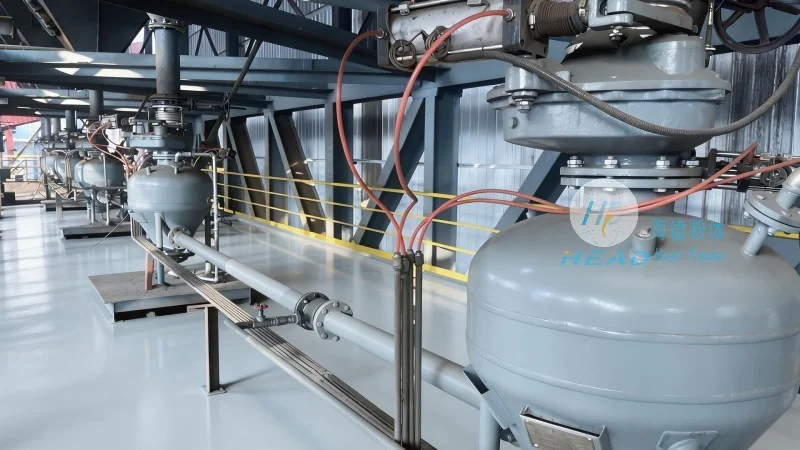
Operational Process: Step-by-Step Overview
The operational process of the light calcium powder pneumatic conveying system involves several sequential steps that ensure efficient material transport. First, the material is loaded into the hopper, where it is stored and prepared for feeding. The feeding mechanism, such as a rotary valve or a star feeder, controls the flow rate of the powder into the conveying line. Next, the air compressor starts and generates the required airflow, which is then introduced into the conveying line. The powder is then drawn into the line by the air flow and transported to the receiving hopper. At the receiving end, the air-powder mixture is separated, and the powder is collected in the silo. The air is filtered and recycled to the compressor, completing the cycle. This continuous process allows for uninterrupted material handling, minimizing downtime and ensuring consistent production flow.

Advantages of Pneumatic Conveying for Light Calcium Powder
Compared to traditional mechanical conveying methods, pneumatic conveying offers several advantages for light calcium powder applications. These include the ability to handle fine, dusty materials without the need for additional dust control measures, as the system inherently contains the material within the air stream. Additionally, pneumatic conveying systems can transport materials over longer distances and through vertical or horizontal configurations with minimal loss or degradation of the material. The enclosed system also reduces the risk of contamination and environmental pollution, making it suitable for applications where material purity is critical. Furthermore, the flexibility of pneumatic conveying allows for easy integration with existing production lines and the ability to adjust the system parameters to meet varying production demands.
Practical Considerations and Maintenance
While pneumatic conveying systems offer significant benefits, proper maintenance and operational considerations are essential to ensure optimal performance and longevity. Regular inspection of the air compressor and blower is crucial to maintain consistent airflow and pressure. The conveying line should be checked for blockages or wear, as these can affect the system's efficiency. The cyclone separator or filter at the receiving end requires periodic cleaning to prevent clogging and maintain proper separation efficiency. Additionally, the material hopper and feeding mechanisms should be inspected for wear or material buildup, as these can impact the feeding rate and system stability. By adhering to a regular maintenance schedule, users can minimize downtime, reduce operational costs, and ensure the reliable operation of the pneumatic conveying system.