

Operation Process and Working Principle of Pneumatic Conveying for Glass Fiber Powder Materials
For industries dealing with glass fiber powder, efficient material handling is crucial to maintain production efficiency and product quality. Pneumatic conveying systems offer a reliable solution for transporting these fine powders, especially when traditional methods like bulk bags or trucks are less suitable. This article explores the operation process and working principles of pneumatic conveying systems specifically designed for glass fiber powder, highlighting the key components and how they function together to ensure smooth material transport.

Key Characteristics of Glass Fiber Powder and Their Impact on Conveying
Glass fiber powder is known for its fine particle size and abrasive nature, which can pose challenges during material handling. The particles are typically in the range of 10 to 200 microns, making them prone to agglomeration and clogging if not handled properly. Additionally, the abrasive properties of glass fibers can wear down equipment components over time, necessitating the use of durable materials and well-designed system components. Understanding these characteristics is essential for selecting the right pneumatic conveying system and ensuring long-term operational efficiency.
Components of a Pneumatic Conveying System for Glass Fiber Powder
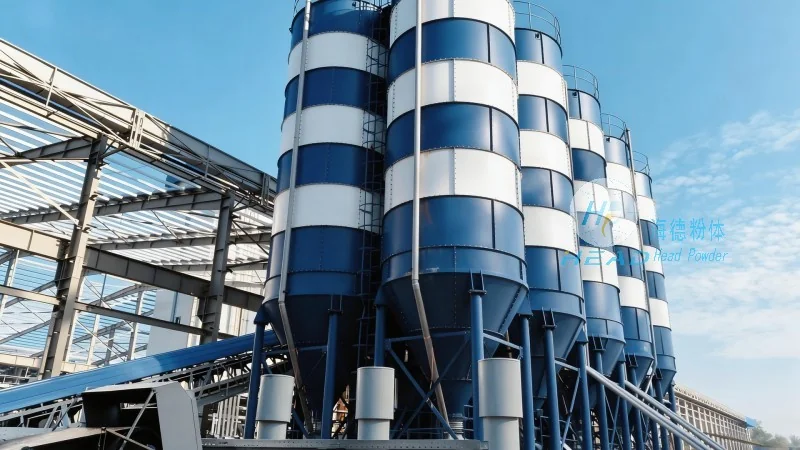
A typical pneumatic conveying system for glass fiber powder consists of several key components that work in tandem to move the material from the source to the destination. These components include a hopper or storage silo for material storage, a feeder to control the flow rate of the powder, a conveying line (usually made of stainless steel or other corrosion-resistant materials to handle the abrasive nature of glass fibers), a blower or air compressor to generate the necessary air pressure, and a receiver or discharge hopper at the end of the line. Each component plays a critical role in the overall operation, and their proper integration is vital for the system's performance. Systems like those offered by Shandong HeadPowder Engineering Co., Ltd. are engineered to meet the specific demands of glass fiber powder handling, ensuring durability and efficiency.
The Operation Process of Pneumatic Conveying for Glass Fiber Powder
The operation process of a pneumatic conveying system for glass fiber powder involves several sequential steps. First, the glass fiber powder is fed from the storage hopper into the conveying line via a controlled feeder. The feeder ensures a consistent flow rate, preventing overloading or underloading of the system. Next, the blower or air compressor generates a high-pressure air stream that travels through the conveying line. As the air moves, it picks up the glass fiber powder particles, creating a mixture of air and powder known as a slurry or suspension. The mixture then travels through the conveying line to the receiver, where the air is separated from the powder and discharged. The air is typically filtered and recycled back to the blower to conserve energy and reduce waste. This process is continuous, allowing for the steady transport of glass fiber powder from the source to the processing or packaging area.

Working Principles of Pneumatic Conveying for Glass Fiber Powder
The working principle of pneumatic conveying for glass fiber powder is based on the principle of fluidization and suspension. The air compressor provides the necessary pressure to move the powder particles through the conveying line. The powder is suspended in the air stream, and the velocity of the air is maintained at a level that prevents particle settling or clogging. The system operates under either positive pressure (where the conveying line is pressurized) or negative pressure (where the line is slightly vacuumed), depending on the application and the distance the material needs to be transported. Positive pressure systems are commonly used for short to medium distances, while negative pressure systems are suitable for longer distances or when the material needs to be transported from a higher elevation to a lower one. The choice of system type depends on factors such as the material characteristics, distance, and required flow rate.

Benefits of Using Pneumatic Conveying for Glass Fiber Powder Handling
Implementing a pneumatic conveying system for glass fiber powder offers several benefits that enhance operational efficiency and product quality. One of the primary advantages is the ability to handle fine powders without the need for mechanical components that can cause clogging or wear. The system also provides a closed environment, preventing dust contamination and ensuring a clean working environment. Additionally, pneumatic conveying systems can be designed to handle varying flow rates, making them adaptable to different production needs. The energy efficiency of these systems, especially when using air recycling, reduces operational costs over time. Furthermore, the system's ability to transport materials in a continuous manner minimizes downtime and improves overall production throughput.
Considerations for Selecting and Maintaining Pneumatic Conveying Systems for Glass Fiber Powder
When selecting a pneumatic conveying system for glass fiber powder, several factors need to be considered to ensure optimal performance and longevity. The first consideration is the material characteristics, including particle size, density, and abrasiveness, as these determine the system's design and component selection. The distance and elevation change between the source and destination are also critical factors, as they influence the choice between positive and negative pressure systems. The required flow rate and throughput must be matched with the system's capacity to avoid overloading or underutilization. Maintenance is another important consideration, as regular cleaning and inspection of components are necessary to prevent clogging and wear. Using high-quality, corrosion-resistant materials for the conveying line and components can extend the system's lifespan and reduce maintenance costs. Additionally, working with experienced suppliers like Shandong HeadPowder Engineering Co., Ltd. who understand the specific needs of glass fiber powder handling can help in selecting the right system and ensuring proper installation and operation.