

Operation Process and Working Principle of Pneumatic Conveying for PVC Granular Materials
For industries dealing with PVC granular materials, efficient material handling is crucial to maintain production efficiency and ensure product quality. Pneumatic conveying systems have emerged as a reliable solution for transporting these materials from one location to another within a facility. This article explores the operation process and working principle of pneumatic conveying for PVC granular materials, highlighting the key components and the systematic approach used by Shandong HeadPowder Engineering Co., Ltd. to optimize such processes.

Introduction to Pneumatic Conveying for PVC Granular Materials
PVC granular materials, commonly used in manufacturing various products such as pipes, flooring, and construction materials, require precise handling to prevent degradation and ensure consistent quality. Traditional methods like belt conveyors or bucket elevators may not be suitable for fine or abrasive materials like PVC granules due to the risk of material degradation or equipment wear. Pneumatic conveying offers a dust-free, enclosed system that minimizes contamination and provides gentle handling, making it ideal for PVC granular materials. The system utilizes air pressure to move materials through a pipeline, eliminating the need for mechanical components that could cause friction or damage to the product.
Key Components of a Pneumatic Conveying System for PVC Granular Materials
The pneumatic conveying system for PVC granular materials typically consists of several critical components that work in tandem to achieve efficient material transport. These components include the material hopper, feeder, air compressor, conveying pipeline, and receiving hopper. Each component plays a vital role in the overall operation, ensuring that the PVC granules are moved safely and effectively from the source to the destination.
Material Hopper and Feeder
The material hopper is the initial storage unit where PVC granules are stored before being conveyed. It is designed to hold a sufficient quantity of material to maintain a steady flow to the feeder. The feeder, often a rotary valve or a screw feeder, regulates the flow of PVC granules from the hopper into the conveying pipeline. This component ensures a consistent and controlled discharge of material, preventing overloading or underloading of the system, which could affect the conveying efficiency.
Air Compressor and Pressure System
The air compressor is the heart of the pneumatic conveying system, responsible for generating the necessary air pressure to move the PVC granules through the pipeline. Depending on the system design, either positive pressure or negative pressure is used. Positive pressure systems force air and material through the pipeline, while negative pressure systems create a vacuum to draw material into the pipeline. For PVC granular materials, positive pressure systems are commonly preferred as they provide better control over the material flow and reduce the risk of material degradation due to low pressure conditions.

Conveying Pipeline and Flow Control
The conveying pipeline is a network of pipes that transports the PVC granules along with the air stream. The design of the pipeline, including the diameter, length, and bends, is crucial for maintaining the material's velocity and preventing blockages. Flow control devices, such as expansion joints and check valves, are installed to manage pressure changes and prevent backflow, ensuring smooth and continuous material transport. The pipeline is typically made of materials like stainless steel or plastic, which are resistant to the chemical properties of PVC and can withstand the pressure and temperature variations during operation.
Receiving Hopper and Discharge System
The receiving hopper is the final destination where the PVC granules are deposited after being conveyed through the pipeline. It is designed to collect the material and prevent spillage or dust emission. The discharge system, which may include a rotary valve or a gate valve, controls the release of material from the hopper to the next processing stage. This component ensures that the material is discharged in a controlled manner, maintaining the integrity of the product and preventing contamination from external sources.
Operation Process of Pneumatic Conveying for PVC Granular Materials
The operation process of a pneumatic conveying system for PVC granular materials involves several sequential steps that ensure efficient and safe material transport. The process begins with the loading of PVC granules into the material hopper. The feeder then regulates the flow of material into the conveying pipeline, while the air compressor generates the necessary pressure to move the material. The air and material mixture travels through the pipeline to the receiving hopper, where the material is deposited. The system operates continuously, with the feeder and compressor working in sync to maintain a steady flow of material. Regular maintenance and monitoring of the system components are essential to ensure optimal performance and prevent downtime.
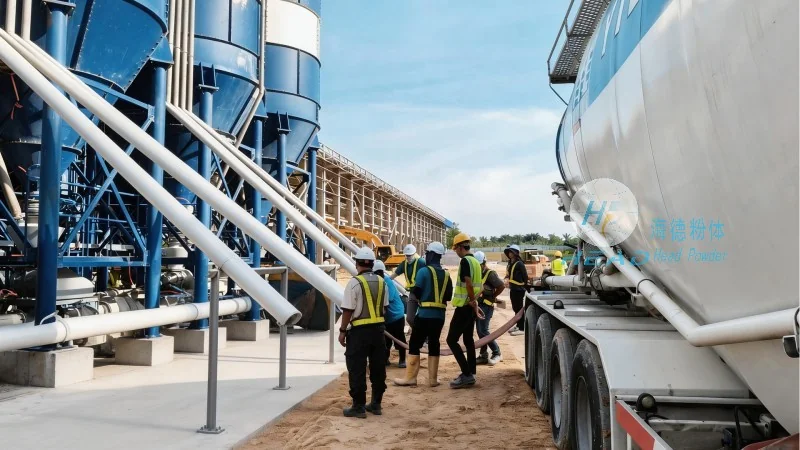
Working Principle of Pneumatic Conveying for PVC Granular Materials
The working principle of pneumatic conveying for PVC granular materials is based on the principle of fluidization and suspension. The air compressor provides the energy to move the PVC granules by creating a flow of air through the pipeline. The material is suspended in the air stream and transported along the pipeline. The velocity of the air stream must be sufficient to keep the PVC granules in suspension, preventing them from settling or causing blockages. The system relies on the balance between the air velocity and the material's density to achieve efficient transport. The design of the system, including the pipeline diameter and length, is optimized to maintain the required air velocity and pressure to ensure the PVC granules are conveyed without degradation or loss of quality.
Advantages of Pneumatic Conveying for PVC Granular Materials
Pneumatic conveying systems offer several advantages when handling PVC granular materials. These include dust-free operation, which minimizes environmental contamination and improves workplace safety. The enclosed system prevents the release of fine particles into the air, reducing the risk of respiratory issues for workers. Additionally, the gentle handling of the material reduces the risk of degradation or damage, ensuring that the PVC granules maintain their quality and properties. The system also provides flexibility in terms of layout, as the pipeline can be arranged in various configurations to suit the facility's layout and production requirements. Furthermore, pneumatic conveying systems can handle a wide range of material sizes and densities, making them suitable for different applications within the PVC industry.
Applications and Industries Using Pneumatic Conveying for PVC Granular Materials
Pneumatic conveying systems for PVC granular materials are widely used in various industries, including manufacturing, construction, and chemical processing. In the PVC industry, these systems are used to transport raw materials from storage to processing units, as well as to move finished products from the production line to storage or packaging areas. The systems are also used in the construction industry for transporting PVC pipes and flooring materials to job sites. The versatility of pneumatic conveying makes it suitable for a wide range of applications, from small-scale operations to large industrial facilities.
Conclusion and Company Overview
Pneumatic conveying is a reliable and efficient method for handling PVC granular materials, offering several advantages over traditional material handling methods. The operation process involves a series of components working together to transport the material safely and effectively. The working principle is based on fluidization and suspension, ensuring that the PVC granules are conveyed without degradation. Shandong HeadPowder Engineering Co., Ltd. specializes in designing and manufacturing pneumatic conveying systems tailored to the specific needs of PVC granular material handling. With years of experience in the industry, the company provides customized solutions that optimize material transport, reduce downtime, and improve overall production efficiency. By leveraging advanced technology and expertise, HeadPowder ensures that its pneumatic conveying systems meet the highest standards of performance and reliability, making them a preferred choice for industries dealing with PVC granular materials.