

Operation Process and Working Principle of Pneumatic Conveying for Glass Fiber Powder
HeadPowder, a leading engineering company based in Shandong, China, specializes in the design and implementation of efficient pneumatic conveying systems for glass fiber powders. This article provides a detailed overview of the operation process and working principle behind such systems, highlighting the technical aspects and practical applications that make them essential in various industrial settings.

Understanding Pneumatic Conveying Systems
Pneumatic conveying is a method of transporting bulk materials, such as glass fiber powders, through a pipeline using a gas stream, typically air or a combination of air and other gases. The system operates by creating a pressure differential that propels the material from the source to the destination. This technology offers several advantages over traditional conveying methods, including reduced material degradation, improved safety, and enhanced process control.
The Core Components of a Pneumatic Conveying System
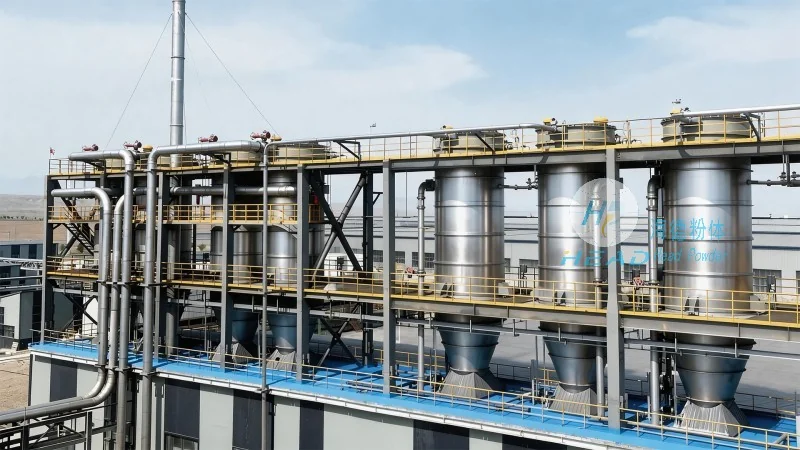
A typical pneumatic conveying system for glass fiber powders consists of several key components that work in tandem to ensure smooth operation. These components include the material feed hopper, the air supply system (usually a blower or compressor), the conveying pipeline, and the discharge equipment. Each component plays a critical role in the overall performance and efficiency of the system.

Operation Process of Pneumatic Conveying for Glass Fiber Powder
The operation process of a pneumatic conveying system for glass fiber powder begins with the material being loaded into the feed hopper. The hopper is designed to maintain a consistent material level and prevent blockages. Once the material is ready for transport, the air supply system is activated, generating a high-velocity gas stream within the pipeline. This gas stream creates a negative pressure at the inlet, drawing the glass fiber powder into the pipeline. The material is then carried through the pipeline to the discharge point, where it is released into the receiving container or processing equipment.
Working Principle: How It Works
The working principle of pneumatic conveying for glass fiber powder relies on the principles of fluid dynamics and particle motion. When the air supply system produces a high-velocity gas stream, it creates a low-pressure zone at the inlet. This pressure differential causes the glass fiber powder to be entrained by the gas, forming a slurry-like mixture known as a "pneumatic stream." The velocity of the gas must be sufficient to overcome the gravitational forces acting on the particles and any friction within the pipeline. The system is designed to maintain an optimal gas velocity to ensure efficient transport without causing excessive wear or degradation of the material.
Key Considerations for Efficient Operation
Several factors are crucial for the efficient operation of pneumatic conveying systems for glass fiber powders. These include the particle size and density of the material, the pipeline diameter and length, the air pressure and flow rate, and the system's configuration (e.g., positive or negative pressure). Proper design and maintenance of these components are essential to prevent issues such as blockages, material degradation, and energy inefficiency. HeadPowder's expertise in engineering and system optimization ensures that these factors are carefully considered to deliver reliable and cost-effective solutions for clients.

Applications and Benefits in Industrial Settings
Pneumatic conveying systems for glass fiber powders are widely used in various industries, including construction, automotive, and electronics manufacturing. The benefits of using such systems include improved process efficiency, reduced labor costs, enhanced safety by eliminating manual handling of powders, and better material quality control. The systems are particularly suitable for transporting glass fiber powders over short to medium distances, with HeadPowder's solutions tailored to meet the specific requirements of each application.
Conclusion: The Role of HeadPowder in Pneumatic Conveying Technology
HeadPowder Engineering Co., Ltd., based in Shandong, China, is a trusted provider of pneumatic conveying systems for glass fiber powders. By leveraging advanced engineering principles and practical experience, the company delivers customized solutions that enhance operational efficiency and product quality. The operation process and working principle of these systems, as outlined above, demonstrate the effectiveness of pneumatic conveying in modern industrial applications. With a focus on innovation and customer satisfaction, HeadPowder continues to lead in the development of efficient material handling solutions for glass fiber powders.