

Operation Process and Working Principle of Phosphate Powder Material Handling System Equipment
Phosphate fertilizer powder is a crucial raw material in the agricultural industry, and efficient material handling systems are essential for ensuring smooth production and supply chain operations. This article provides an in-depth look at the operation process and working principle of the phosphate powder material handling system equipment, highlighting key components, operational procedures, and technical aspects that contribute to its effective performance.

Key Components of the Phosphate Powder Material Handling System
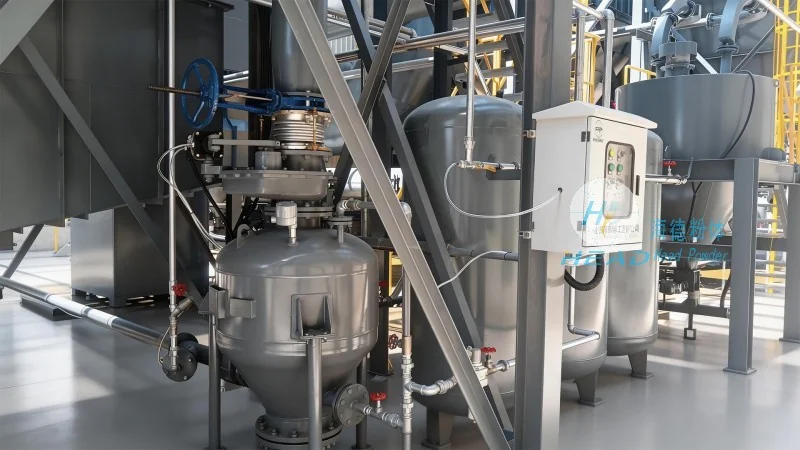
The phosphate powder material handling system typically consists of several core components that work in tandem to transport and process the powder. These components include feeders, conveyors, storage silos, and control systems. Each component plays a vital role in the overall functionality of the system. For instance, feeders are responsible for uniformly feeding the phosphate powder into the conveyor system, ensuring consistent material flow. Conveyors, such as belt conveyors or pneumatic conveyors, transport the powder from one location to another with precision. Storage silos are used to store large quantities of phosphate powder, providing a buffer for production and preventing material loss. Control systems, equipped with sensors and automation technology, monitor and regulate the operation of the entire system, ensuring safety and efficiency.

Operation Process of the Phosphate Powder Material Handling System
The operation process of the phosphate powder material handling system involves several sequential steps that ensure the smooth handling of phosphate fertilizer powder. The first step is the feeding process, where the phosphate powder is fed from the storage silo into the feeder. The feeder then uniformly delivers the powder to the conveyor system. The conveyor transports the powder to the processing or packaging area. During this process, the control system continuously monitors the flow rate, pressure, and other parameters to maintain optimal operation. If any anomalies are detected, the system automatically adjusts or alerts operators for intervention. The entire operation is designed to minimize downtime and maximize throughput, ensuring that the production line runs efficiently.
Working Principle of the Phosphate Powder Material Handling System
The working principle of the phosphate powder material handling system is based on mechanical and pneumatic mechanisms that facilitate the movement and processing of phosphate powder. The system utilizes gravity, pressure, and air flow to transport the powder. In belt conveyor systems, the powder is placed on a moving belt and transported by the belt's motion. In pneumatic conveying systems, the powder is suspended in air and transported through pipes. The control system uses sensors to detect the level of powder in the silos and the flow rate in the conveyors, adjusting the operation accordingly. This integrated approach ensures that the system operates reliably and efficiently, even with varying powder characteristics and production demands.
About Shandong HeadPowder Engineering Co., Ltd.
Shandong HeadPowder Engineering Co., Ltd., commonly known as headpowder, is a leading manufacturer and supplier of material handling equipment for the phosphate fertilizer industry. With a strong focus on innovation and quality, the company has established itself as a trusted partner for businesses seeking reliable and efficient phosphate powder handling solutions. Headpowder's products are designed to meet the specific needs of the agricultural sector, ensuring that clients can achieve optimal performance and cost-effectiveness in their operations. The company's headquarters is located in Shandong, China, where it maintains state-of-the-art manufacturing facilities and a dedicated team of engineers and technicians.