

Operation Process and Working Principle of Lithium Hydroxide Material Handling
Lithium hydroxide is a vital chemical compound utilized across multiple industries, including battery manufacturing, ceramics, and pharmaceuticals. The efficient handling of this material is crucial for maintaining safe and productive production environments. This article delves into the operation process and working principle of lithium hydroxide material handling systems, with a focus on the expertise of Shandong HeadPowder Engineering Co., Ltd., a leading provider in the field.

Key Components in Lithium Hydroxide Material Handling
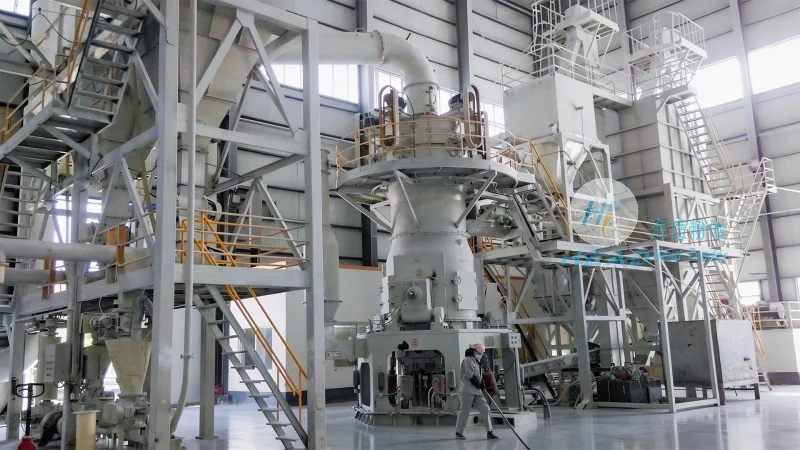
The material handling of lithium hydroxide relies on a combination of specialized components that ensure stability, precision, and safety. These components include storage silos, conveying mechanisms, dosing equipment, and integrated safety systems. Storage silos are engineered to preserve the chemical integrity of lithium hydroxide, often constructed from corrosion-resistant materials to prevent degradation. Conveying systems, such as screw conveyors or pneumatic transport pipelines, facilitate the movement of the material from storage to processing areas. Dosing equipment, like gravimetric feeders or rotary valves, ensures the precise measurement and delivery of lithium hydroxide to production lines. Safety mechanisms, including gas detection sensors and emergency shutdown protocols, are integral to mitigating risks associated with handling this reactive chemical.
Operation Process of Lithium Hydroxide Material Handling
The operation process of lithium hydroxide material handling follows a systematic sequence to guarantee consistency and safety. The process initiates with the loading of lithium hydroxide into storage silos, where it is stored under controlled conditions to prevent moisture absorption or caking. Once the material is ready for use, the conveying system is activated to transport it to the processing area. This may involve horizontal and vertical transport stages to reach the desired location. At the processing point, dosing equipment is activated to release the exact quantity of lithium hydroxide required. The material is then integrated into the production line, where it undergoes further processing or combines with other ingredients. Throughout the operation, safety protocols are continuously monitored to address any deviations or hazards promptly.
Working Principle of Lithium Hydroxide Material Handling Systems
The working principle of lithium hydroxide material handling systems is rooted in fluid dynamics and mechanical engineering. Storage silos utilize aeration or moisture control to maintain material stability. Conveying systems employ mechanical or pneumatic forces, such as rotating screws in screw conveyors or compressed air in pneumatic pipelines. Dosing equipment operates on mass or volumetric flow principles to deliver precise amounts. Safety mechanisms, like pressure relief valves and emergency stop buttons, protect against potential hazards. The entire system is controlled by a programmable logic controller (PLC) or distributed control system (DCS), which adjusts operations based on real-time data and setpoints.

Shandong HeadPowder Engineering Co., Ltd.'s Expertise in Lithium Hydroxide Handling
Shandong HeadPowder Engineering Co., Ltd., commonly known as HeadPowder, specializes in designing and manufacturing customized material handling solutions for lithium hydroxide. The company leverages advanced engineering and manufacturing capabilities to develop systems tailored to the unique needs of clients in the battery, ceramics, and pharmaceutical sectors. HeadPowder's expertise lies in integrating key components, ensuring seamless operation and safety. Their systems comply with industry standards and regulations, providing reliable and efficient solutions. With a focus on innovation and customer satisfaction, HeadPowder remains a trusted partner for businesses seeking to enhance their material handling processes.