

Operation Process and Working Principle of Chloroprene Rubber Powder Conveying System
HeadPowder, a leading enterprise in the field of powder conveying technology, specializes in the design, manufacturing, and installation of advanced systems for transporting chloroprene rubber powder. This article provides a detailed overview of the operational process and working principles of such a system, highlighting the key components, their functions, and the overall workflow involved in ensuring efficient and reliable powder handling.

Introduction to Chloroprene Rubber Powder Conveying Systems
Chloroprene rubber, also known as neoprene, is a synthetic polymer widely used in various industrial applications due to its excellent resistance to oil, chemicals, and weathering. The efficient transportation of chloroprene rubber powder from storage to processing units is crucial for maintaining production efficiency and product quality. HeadPowder Engineering Co., Ltd., headquartered in Shandong, China, has developed sophisticated powder conveying systems tailored to meet the specific demands of chloroprene rubber handling. These systems integrate advanced engineering solutions to ensure smooth, dust-free, and energy-efficient operation.
Key Components of the Conveying System
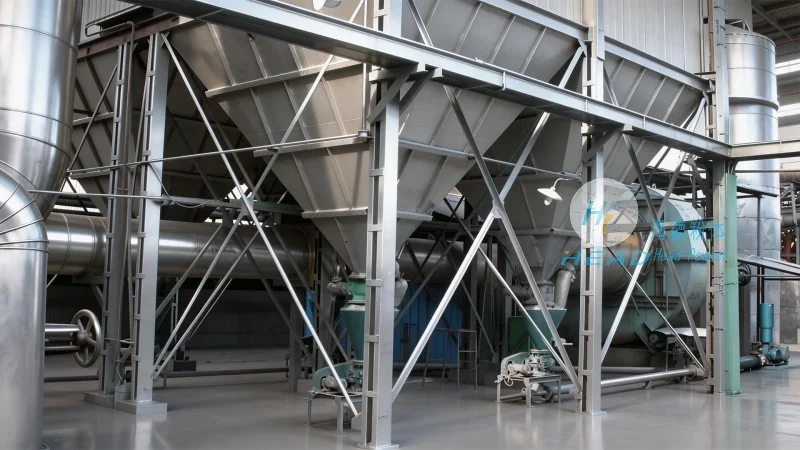
The chloroprene rubber powder conveying system typically consists of several critical components that work in tandem to achieve optimal performance. These include a hopper for material storage, a feeder to control the flow rate, a conveyor (such as a screw or pneumatic conveyor) for transporting the powder, a dust collection system to maintain air quality, and a control panel for monitoring and regulating the entire process. Each component plays a vital role in ensuring the system operates safely and efficiently.

Working Principle of the System
The operation of the chloroprene rubber powder conveying system begins with the material being loaded into the hopper. The hopper is designed to hold a sufficient quantity of chloroprene rubber powder, providing a stable feed source. The feeder, often a rotary valve or a vibratory feeder, regulates the flow of powder from the hopper into the conveyor. This controlled feeding mechanism prevents overloading and ensures a consistent flow rate, which is essential for maintaining the system's performance and preventing blockages.
The conveyor, which can be either a screw conveyor or a pneumatic conveyor depending on the specific requirements, transports the chloroprene rubber powder from the hopper to the processing unit. A screw conveyor uses rotating screws to move the powder along a tube or trough, while a pneumatic conveyor utilizes air pressure to carry the powder through a pipeline. Both methods are effective, but the choice depends on factors such as the material's properties, the distance to be covered, and the desired level of dust control.
Control and Monitoring Systems
Modern chloroprene rubber powder conveying systems are equipped with advanced control and monitoring systems to ensure optimal operation. The control panel, typically located in a central position, allows operators to adjust the flow rate, monitor the system's status, and receive alerts in case of any abnormalities. Sensors are installed throughout the system to detect levels of material in the hopper, the pressure in the conveyor, and the presence of blockages. These sensors provide real-time data that helps operators make informed decisions and take corrective actions promptly, minimizing downtime and ensuring continuous production.

Benefits of Using Chloroprene Rubber Powder Conveying Systems
The implementation of advanced chloroprene rubber powder conveying systems offers numerous benefits to industrial operations. Firstly, these systems enhance production efficiency by ensuring a consistent and reliable supply of material to processing units. This reduces downtime and increases overall productivity. Secondly, the dust collection systems integrated into the design help maintain a clean and safe working environment, complying with environmental regulations and improving worker comfort. Thirdly, the energy-efficient design of modern conveying systems reduces operational costs, making them a cost-effective solution for long-term use.
Conclusion
HeadPowder Engineering Co., Ltd. provides comprehensive solutions for chloroprene rubber powder conveying systems, combining advanced technology with expert engineering to meet the diverse needs of industrial applications. By understanding the operational process and working principles of these systems, businesses can optimize their powder handling processes, improve efficiency, and ensure product quality. The integration of sophisticated components and control systems ensures that chloroprene rubber powder is transported safely and efficiently, supporting the smooth operation of industrial production lines.