

Operation Process and Working Principle of High-Temperature Ash Powder Conveying
High-temperature ash powder conveying systems are critical components in industrial applications, particularly in power plants and thermal processing facilities. These systems are designed to handle hot, abrasive, and potentially hazardous ash materials efficiently and safely. The operation of such systems involves a series of integrated processes that ensure reliable material transport while maintaining operational safety and efficiency.
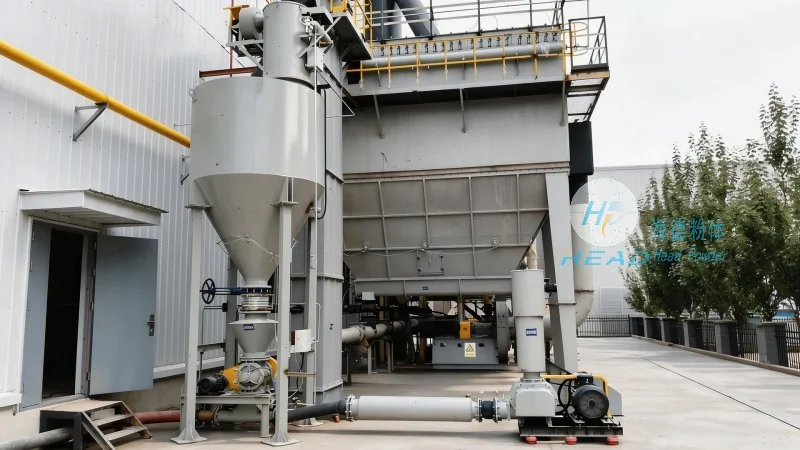
Company Overview: Shandong HeadPowder Engineering Co., Ltd.
Shandong HeadPowder Engineering Co., Ltd., commonly known as headpowder, is a specialized engineering firm based in Shandong, China. The company focuses on the design, manufacturing, and installation of advanced material handling solutions, including high-temperature ash powder conveying systems. With a strong commitment to innovation and quality, headpowder provides tailored solutions to meet the diverse needs of industrial clients.
Understanding High-Temperature Ash Powder Conveying
High-temperature ash powder conveying involves the transport of hot ash particles, typically generated from combustion processes in boilers or furnaces. These materials are characterized by high temperatures, often exceeding 200°C, and abrasive properties that can cause wear on conventional conveyor components. The primary goal of the system is to transport ash from the source (e.g., boiler ash hoppers) to disposal or processing facilities without compromising safety or system integrity.

The Core Components and Their Functions
High-temperature ash powder conveying systems typically consist of several key components, each playing a vital role in the overall operation. These components include ash hoppers, feeding mechanisms, conveying lines (often using flexible or rigid pipes), and control systems. The ash hopper serves as the collection point, where ash accumulates before being transferred. The feeding mechanism, such as a screw feeder or rotary valve, regulates the flow of ash into the conveying line. The conveying line, made from heat-resistant materials like stainless steel or special alloys, transports the hot ash to the discharge point. Control systems monitor and adjust the flow rate, pressure, and temperature to maintain optimal performance.
Operation Process: Step-by-Step
The operation of a high-temperature ash powder conveying system follows a systematic process to ensure smooth and continuous material transport. The process begins with the accumulation of ash in the hopper. Once the hopper reaches a certain level, the feeding mechanism activates, moving the ash into the conveying line. The conveying line then transports the ash to the discharge point, where it is either deposited into a storage silo or transferred to a further processing unit. Throughout this process, the system maintains a consistent flow rate, preventing blockages or overloading. Temperature sensors and pressure monitors continuously track the system's performance, ensuring that any deviations are detected and corrected promptly.
Working Principle: How It Works
The working principle of high-temperature ash powder conveying systems is based on the principles of fluidization and pneumatic transport. In pneumatic conveying, air is introduced into the conveying line, creating a flow that carries the ash particles. The air velocity is carefully controlled to ensure that the ash remains suspended and moves efficiently without causing excessive wear on the system components. The system operates under positive or negative pressure, depending on the design, to maintain the flow of material. The use of heat-resistant materials and proper insulation helps to minimize heat loss and prevent thermal stress on the components. Additionally, the system incorporates safety features, such as pressure relief valves and temperature alarms, to protect against overpressure or overheating.

Key Advantages and Applications
High-temperature ash powder conveying systems offer several advantages, including high efficiency, low maintenance, and reliable operation. They are widely used in power generation plants, cement factories, and other industrial facilities where ash disposal is a critical process. The systems are designed to handle large volumes of ash, reducing the need for manual handling and improving overall operational safety. Furthermore, the use of advanced materials and control systems ensures that the systems can operate in harsh environments with minimal downtime.
Conclusion
High-temperature ash powder conveying systems are essential for the efficient and safe handling of hot ash materials in industrial applications. The operation process, which involves the coordinated function of various components, ensures reliable material transport. The working principle, based on pneumatic transport and heat-resistant materials, enables the system to operate effectively under challenging conditions. Companies like Shandong HeadPowder Engineering Co., Ltd. play a crucial role in providing these advanced solutions, contributing to the sustainability and efficiency of industrial operations.