

Operation Process and Working Principle of Gray Tank Truck Pneumatic Conveying Machines
Gray tank truck pneumatic conveying machines are critical equipment in bulk material handling, particularly for transporting powders and granules. These systems leverage air pressure to move materials from the tank truck to processing facilities or storage areas. Understanding the operation process and working principle of such systems is essential for optimizing material transfer efficiency and ensuring reliable performance.

Core Components of Gray Tank Truck Pneumatic Conveying Systems
A gray tank truck pneumatic conveying system comprises several key components that work in tandem to facilitate material transport. The primary components include the tank truck itself, a blower (either vacuum or pressure type), a filter system, a material receiver, and a control panel. The tank truck serves as the main container for the bulk material, while the blower generates the air flow necessary for conveying. The filter system ensures that the air is clean and free from dust, protecting both the equipment and the environment. The material receiver collects the conveyed material and directs it to its final destination. The control panel allows operators to monitor and adjust system parameters for optimal performance. Each component's design and integration are crucial for the system's overall efficiency and reliability.
The Step-by-Step Operation Process
The operation process of gray tank truck pneumatic conveying machines begins with system preparation. This involves checking the tank truck for leaks or damage, ensuring the material is properly loaded, and verifying that all components are in good working condition. Once the system is ready, the operator starts the blower, which creates a negative pressure (for vacuum systems) or positive pressure (for pressure systems) in the conveying line. The material is then discharged from the tank truck into the conveying line, where it is entrained by the air flow and transported to the receiver. The filter system continuously cleans the air, preventing dust from escaping into the environment. The material receiver collects the conveyed material and may include a hopper or silo for further processing or storage. The entire process is typically automated, with the control panel allowing operators to adjust the air flow rate, material feed rate, and other parameters to maintain consistent performance. This automated approach minimizes human error and ensures smooth, continuous material transfer.

Working Principle of Pneumatic Conveying
The working principle of pneumatic conveying in gray tank trucks is based on the principle of fluidization and air movement. When air is introduced into the material in the tank truck, it creates a mixture of air and material particles. This mixture behaves like a fluid, allowing it to be transported through the conveying line. The key to efficient conveying is maintaining the correct air-to-material ratio. If the air flow is too low, the material may not be fully entrained and could settle in the line. If the air flow is too high, the material may be damaged or the system may become inefficient. The system's design, including the blower capacity and the length of the conveying line, is critical in determining the optimal air-to-material ratio for a given application. This balance ensures that the material is transported reliably and without degradation.
Advantages of Gray Tank Truck Pneumatic Conveying Machines
Gray tank truck pneumatic conveying machines offer several advantages over traditional material handling methods. One of the primary benefits is the ability to transport materials over long distances without the need for intermediate storage or transfer points. This reduces the risk of material contamination and loss. Additionally, pneumatic conveying systems are relatively compact and can be installed in tight spaces, making them suitable for various industrial settings. The systems are also highly flexible, allowing for changes in material type or processing requirements without major modifications. Furthermore, the enclosed nature of the system prevents dust from being released into the environment, improving workplace safety and compliance with environmental regulations. These advantages make pneumatic conveying systems a preferred choice for industries handling sensitive or hazardous materials.
Applications in Various Industries
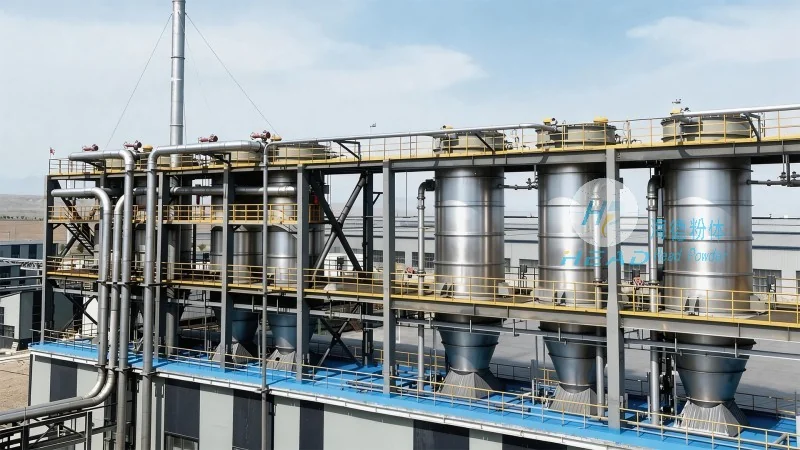
Gray tank truck pneumatic conveying machines are widely used across multiple industries that handle bulk materials. These include the cement, chemical, food, and pharmaceutical industries. In the cement industry, these systems are used to transport raw materials such as limestone and clay from storage facilities to production plants. In the chemical industry, they are used to transport powders and granules for processing and packaging. The food industry utilizes these systems for handling ingredients like flour, sugar, and spices, ensuring hygienic and efficient material transfer. The pharmaceutical industry also benefits from the precision and cleanliness of pneumatic conveying systems when handling sensitive materials. Each industry leverages the systems' ability to maintain material integrity and operational efficiency, making them indispensable in modern manufacturing processes.

Maintenance and Troubleshooting
Proper maintenance is essential to ensure the long-term performance and reliability of gray tank truck pneumatic conveying systems. Regular maintenance tasks include checking the blower for wear and tear, cleaning the filter system to prevent clogging, inspecting the conveying line for leaks or damage, and lubricating moving parts. If the system experiences issues, such as reduced conveying efficiency or increased dust emissions, operators should check the air flow rate, material feed rate, and filter condition. Common problems may include clogged filters, worn blower components, or blockages in the conveying line. By addressing these issues promptly, operators can maintain the system's efficiency and extend its lifespan. Regular maintenance also helps in identifying potential issues before they escalate, reducing downtime and operational costs.
Conclusion
Gray tank truck pneumatic conveying machines are a vital component in modern bulk material handling, offering efficient, reliable, and flexible solutions for transporting powders and granules. The operation process involves several key steps, from system preparation to material discharge and collection. The working principle is based on air movement and fluidization, with the system's design and maintenance critical to its performance. As industries continue to demand more efficient material handling solutions, these systems remain a popular choice due to their advantages in safety, cleanliness, and operational flexibility. Companies like Shandong HeadPowder Engineering Co., Ltd. specialize in designing and manufacturing such systems, providing customized solutions tailored to the specific needs of various industries. Their expertise ensures that clients receive high-quality equipment that meets their operational requirements and enhances overall productivity.