

Principle and Working Scene Characteristics of Polyethylene Resin Powder Material Pneumatic Conveyin
HeadPowder, a leading engineering company based in Shandong, China, specializes in the design and implementation of advanced pneumatic conveying systems for polyethylene resin powder materials. This article explores the fundamental principles behind these systems and highlights the key characteristics of their operational environments.

Pneumatic Conveying Line Principle
The core principle of a polyethylene resin powder pneumatic conveying line is the use of compressed air to transport bulk materials through a pipeline network. The system typically operates by generating a pressure differential between the inlet and outlet of the conveying line. As air is introduced into the pipeline, it creates a flow that draws the resin powder particles along with it. This process relies on the interaction between the air velocity and the particle size, density, and moisture content of the polyethylene resin. The design of the conveying line, including the type of air nozzles, pipeline diameter, and bends, is critical to ensuring efficient material transport with minimal pressure loss and particle degradation.
Working Scene Characteristics
The operational environment of a polyethylene resin powder pneumatic conveying line is characterized by several key factors that influence system performance and reliability. Firstly, the material handling requirements often involve high-volume, continuous operation, which demands robust and durable equipment capable of withstanding the abrasive nature of polyethylene resin particles. The conveying line must be designed to handle varying particle sizes and flow rates, ensuring consistent material delivery to processing units such as extruders, mixers, or storage silos.
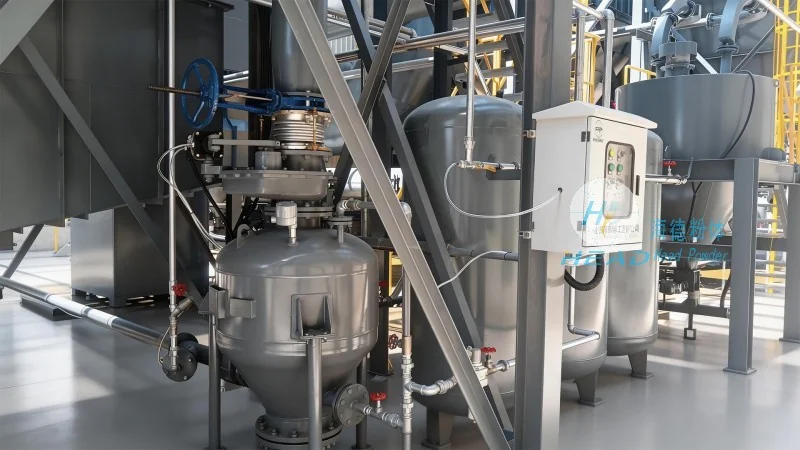
Secondly, the working scene typically includes integration with existing industrial processes, requiring seamless connectivity with upstream and downstream equipment. This integration necessitates precise control systems to regulate air pressure, flow rate, and material feed, maintaining optimal operational parameters. Additionally, the system must address challenges such as dust containment and air filtration to comply with environmental regulations and ensure workplace safety. The working environment may also involve temperature and humidity considerations, as polyethylene resin can be sensitive to moisture, which could affect its processing properties.
Application Scenarios
Polyethylene resin powder pneumatic conveying lines are widely used in various industrial applications, including plastic manufacturing, chemical processing, and material handling facilities. In plastic manufacturing, these systems efficiently transport resin from storage silos to production lines, enabling smooth integration into extrusion and molding processes. The ability to handle large volumes of material with minimal human intervention enhances production efficiency and reduces operational costs. In chemical processing plants, the systems are employed to convey polyethylene resin between processing stages, such as from drying units to mixing equipment, ensuring consistent material quality and process control.

Technical Advantages and Considerations
HeadPowder's pneumatic conveying solutions for polyethylene resin powder materials offer several technical advantages, including high material throughput, low maintenance requirements, and the ability to handle abrasive materials without significant wear on components. The systems are designed with corrosion-resistant materials to withstand the chemical properties of polyethylene resin and the effects of compressed air. However, operational considerations include the need for proper air filtration to prevent clogging of pipelines and equipment, as well as regular maintenance to ensure consistent performance. The working scene characteristics, such as the need for dust control and environmental compliance, are addressed through integrated filtration systems and sealed pipeline designs.
Conclusion
Understanding the principle and working scene characteristics of polyethylene resin powder pneumatic conveying lines is essential for optimizing material handling processes in industrial applications. HeadPowder, with its expertise in engineering and manufacturing, provides tailored solutions that meet the specific needs of clients, ensuring efficient, reliable, and cost-effective material transport. By leveraging advanced pneumatic conveying technology, industries can enhance productivity while maintaining compliance with environmental and safety standards.