

Principle and Working Scenario Characteristics of Pneumatic Conveying for Stone Powder Materials
HeadPowder, a leading provider in the field, specializes in pneumatic conveying systems tailored for stone powder materials. This technology offers an efficient and reliable method for transporting bulk materials like stone powders, which are commonly used in construction, industrial applications, and various manufacturing processes. Understanding the principles and operational characteristics of such systems is crucial for optimizing material handling in industrial settings.
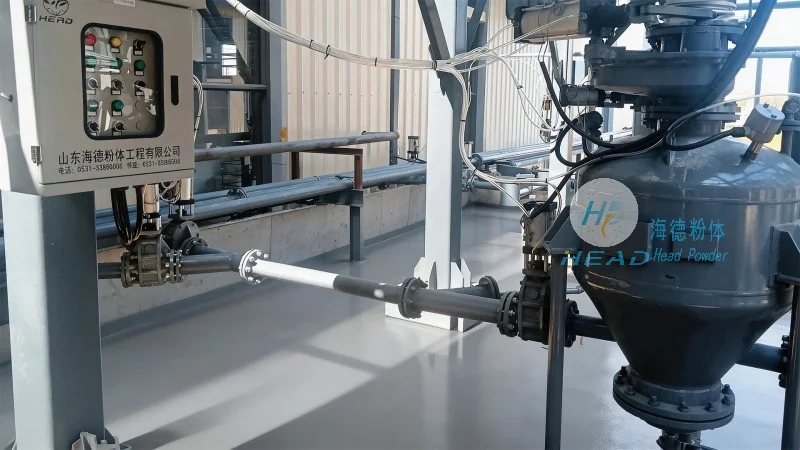
The Fundamental Principle of Pneumatic Conveying
Pneumatic conveying operates on the principle of using air or gas to transport solid particles through a pipeline. In the case of stone powder, the system typically involves a blower or compressor that generates a flow of air, which then carries the powder particles along the pipeline. This method eliminates the need for mechanical components like belts or buckets, reducing maintenance and increasing operational efficiency. The key components of a typical pneumatic conveying system include a material feed hopper, a conveying line, a separation or collection unit, and a dust collection system. The air flow is controlled to ensure the particles are suspended and transported smoothly, minimizing particle degradation and system wear.

Key Working Scenario Characteristics
The working scenario characteristics of pneumatic conveying for stone powder materials are defined by several critical factors that influence system performance and suitability. These include the particle size distribution, moisture content, and density of the stone powder, as well as the required conveying distance and throughput. For instance, fine stone powders may require higher air velocities to maintain suspension, while larger particles might need a different system configuration to prevent blockages. The system's design also considers the environmental impact, with dust collection systems ensuring compliance with air quality regulations and protecting the surrounding environment. Additionally, the energy consumption of the system is a key consideration, as efficient air flow management can significantly reduce operational costs over time.
Application Scenarios and Operational Benefits
HeadPowder's pneumatic conveying systems are widely applied in various industrial scenarios where stone powder handling is essential. In construction sites, these systems are used to transport stone powders from storage silos to mixing plants or batching stations, ensuring a continuous and controlled supply of materials. In manufacturing facilities, they facilitate the transfer of stone powders between processing units, such as grinding, mixing, and packaging operations. The operational benefits of pneumatic conveying include increased safety, as it eliminates the need for manual handling of bulk materials, reducing the risk of accidents and exposure to dust. Furthermore, the system's ability to handle materials in a closed environment minimizes dust emissions, improving workplace air quality and worker health. Another significant benefit is the flexibility of the system, which can be easily adjusted to accommodate changes in material flow rates or process requirements, providing adaptability to dynamic industrial environments.

System Design and Customization for Stone Powder Handling
At Shandong HeadPowder Engineering Co., Ltd., the design of pneumatic conveying systems for stone powder materials is customized to meet specific client needs. The company considers factors such as the material's physical properties, the required conveying distance, and the client's operational constraints to develop an optimal system. For example, a system for short-distance conveying might use a lower air pressure and a simpler pipeline layout, while a long-distance system would require higher air pressure and more robust components to maintain particle suspension over extended distances. The company also integrates advanced control systems into its designs, allowing for real-time monitoring of air flow, pressure, and material levels, which enhances system efficiency and reduces downtime. Additionally, the use of high-quality materials in the construction of pipelines and components ensures durability and longevity, minimizing the need for frequent replacements and maintenance.