

Principle and Working Scene Characteristics of Sodium Sulphate Material Conveying Lines
HeadPowder, a leading engineering company based in Shandong, China, specializes in the design and implementation of efficient material conveying systems for sodium sulphate applications. This article explores the fundamental principles behind these systems and highlights the key working scene characteristics that make them suitable for various industrial processes. The company, with its extensive experience in material handling technology, provides tailored solutions that meet the specific needs of clients in the chemical and industrial sectors.

The Core Principles of Sodium Sulphate Material Conveying
The operation of sodium sulphate material conveying lines is based on several key principles that ensure reliable and efficient material handling. These systems typically utilize mechanical components such as conveyors, pumps, and storage tanks to transport the material from one location to another. The design of the conveying line is tailored to the specific properties of sodium sulphate, including its granular or powdered form, which may affect the choice of conveyor type (e.g., belt conveyors, screw conveyors, or pneumatic systems). The principle of gravity and mechanical force is applied to move the material through the system, with proper considerations for the material's flowability and potential for caking or agglomeration. Additionally, the conveying line is equipped with control mechanisms to regulate the flow rate and ensure consistent material delivery, which is crucial for maintaining process efficiency in industrial settings. The system also incorporates safety features to prevent overloading or mechanical failures, ensuring operational stability and minimizing downtime.
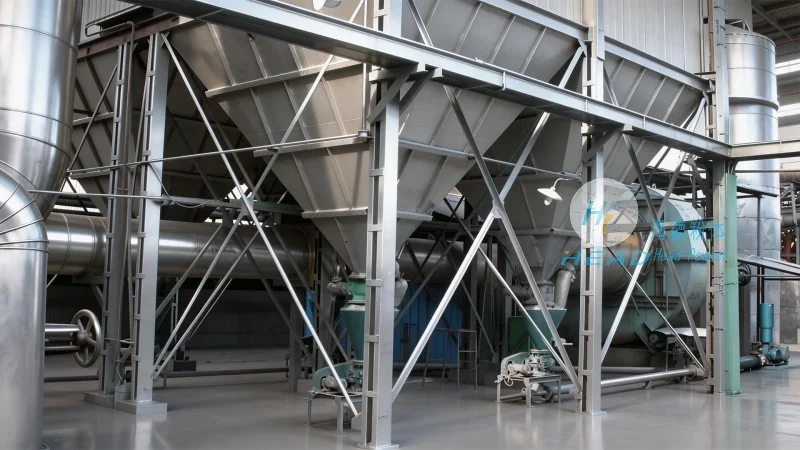
Working Scene Characteristics of Sodium Sulphate Conveying Systems
The working scene characteristics of sodium sulphate material conveying lines are tailored to meet the demands of various industrial applications. These systems are commonly used in chemical plants, fertilizer production facilities, and industrial processing units where large volumes of sodium sulphate need to be transported between different stages of production. The key characteristics include high throughput capacity, which allows for the efficient handling of bulk materials, and the ability to operate in harsh environments, such as those with high humidity or temperature variations. The conveying lines are also designed for durability and low maintenance, ensuring long-term reliability in demanding operational conditions. Furthermore, the systems are equipped with safety features to prevent material spillage or blockages, which are critical for maintaining workplace safety and operational continuity. The working scene may also involve integration with other processing equipment, such as mixers or reactors, where the conveyed sodium sulphate is used as a raw material or intermediate product. This integration requires precise control and synchronization to ensure smooth production flow, and the conveying line is engineered to maintain consistent material quality and purity throughout the process.

Application Scenarios and Operational Efficiency
Sodium sulphate material conveying lines are employed in diverse operational scenarios, each with unique requirements that influence the system design. For instance, in fertilizer manufacturing, the conveying line may need to handle large quantities of sodium sulphate mixed with other raw materials, requiring robust and high-capacity equipment. In chemical processing plants, the system may be integrated with reactors and distillation units, where the material is transported under controlled conditions to prevent contamination or degradation. The working scene also includes considerations for space constraints and layout, as the conveying line must be installed in a manner that optimizes factory floor space while maintaining accessibility for maintenance and repairs. The efficiency of the conveying system is directly linked to the overall productivity of the industrial process, as delays or inefficiencies in material transport can lead to bottlenecks and increased operational costs. Therefore, the design of the sodium sulphate material conveying line is a critical factor in achieving optimal operational performance and cost-effectiveness.
Technical Specifications and System Components
The technical specifications of sodium sulphate material conveying lines vary based on the specific application and material characteristics. Key components include the conveyor itself, which may be a belt conveyor for bulk material transport, a screw conveyor for granular materials, or a pneumatic conveyor for fine powders. The system also includes storage tanks or hoppers to hold the material before it is conveyed, and control valves or gates to regulate the flow. The conveying line is equipped with sensors and monitoring systems to track material levels, flow rates, and system performance, enabling real-time adjustments and troubleshooting. The materials used in the construction of the conveying components, such as stainless steel or corrosion-resistant alloys, are selected to withstand the chemical properties of sodium sulphate and prevent degradation over time. The system is also designed with proper sealing and dust control measures to minimize environmental impact and ensure workplace safety. These technical specifications and components work together to ensure the reliable and efficient operation of the sodium sulphate material conveying line in various industrial settings.

Conclusion and Company Overview
In conclusion, sodium sulphate material conveying lines are essential components in industrial processes that require the efficient handling of bulk materials. The principles behind these systems, combined with their working scene characteristics, ensure that they can operate reliably and effectively in diverse applications. HeadPowder Engineering Co., Ltd., based in Shandong, China, is a trusted provider of such systems, offering tailored solutions that meet the specific needs of clients in the chemical and industrial sectors. With a focus on durability, efficiency, and safety, the company's conveying lines are designed to enhance operational performance and reduce maintenance costs, making them a valuable investment for industrial facilities. The company's expertise in material handling technology and commitment to quality ensure that clients receive systems that are both reliable and cost-effective, contributing to the overall success of their operations.