

Principles and Working Scene Characteristics of Barium Sulfate Precipitate Material Handling
Barium sulfate, a widely used industrial chemical, often requires efficient material handling systems to ensure smooth production processes. The principles and working scene characteristics of barium sulfate precipitate material handling are crucial for optimizing operations in various industrial settings. This article explores the core principles behind the handling of barium sulfate precipitate and highlights key working scene characteristics that define effective material transport solutions.

Understanding the Core Principles of Barium Sulfate Precipitate Material Handling
The handling of barium sulfate precipitate involves several fundamental principles designed to ensure safety, efficiency, and product integrity. First, the material's physical properties, such as its fine particle size and density, dictate the choice of handling equipment. Barium sulfate is typically produced as a fine powder or granular precipitate, which requires specialized equipment to prevent dust generation and ensure consistent flow. Key principles include maintaining proper moisture content to avoid caking, using appropriate conveying methods to minimize material degradation, and implementing dust control measures to protect both personnel and the environment. These principles are essential for maintaining the quality of the final product and ensuring compliance with industrial safety standards.
Key Working Scene Characteristics of Barium Sulfate Precipitate Material Handling
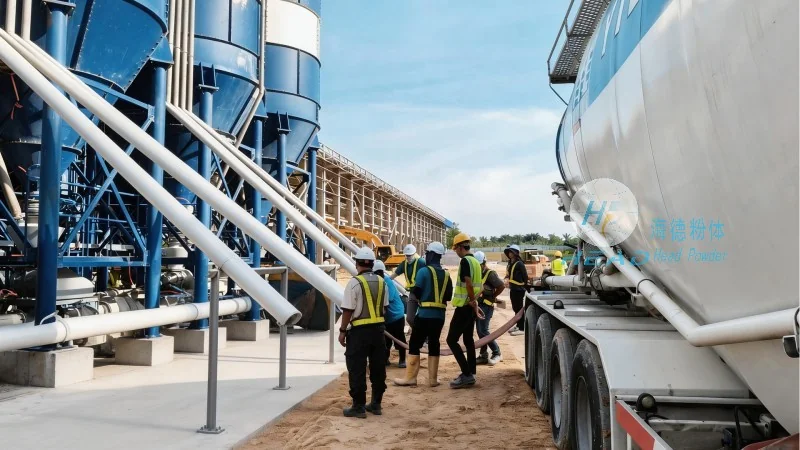
The working scene characteristics of barium sulfate precipitate material handling vary significantly based on the specific industrial application and production scale. For instance, in pharmaceutical or food-grade applications, the handling process must adhere to stringent hygiene and contamination control measures. This often involves enclosed conveying systems, such as pneumatic or mechanical conveyors, to prevent cross-contamination and maintain product purity. In contrast, in bulk industrial applications, such as in the manufacturing of pigments or coatings, the focus may be on maximizing throughput and minimizing downtime. Here, larger-scale handling systems, including bucket elevators and screw conveyors, are commonly employed to handle high volumes of material efficiently. Additionally, the working environment, including temperature and humidity conditions, plays a critical role in determining the most suitable handling methods. For example, in hot or humid climates, moisture control becomes paramount to prevent material caking and ensure consistent flow rates.

Equipment Selection and Operational Considerations
Choosing the right equipment for barium sulfate precipitate material handling is a critical decision that impacts overall operational efficiency. Pneumatic conveying systems, which use air to transport material, are often preferred for their ability to handle fine powders without the need for mechanical contact. These systems are particularly effective in applications where dust control is a priority. Mechanical conveyors, such as screw or belt conveyors, are suitable for larger particles or when continuous flow is required. The selection of equipment also depends on the distance and layout of the handling system. For short distances, a simple screw conveyor may suffice, while longer distances may require a combination of conveyors and transfer points to maintain material flow. Additionally, operational considerations, such as maintenance requirements and energy consumption, must be evaluated to ensure long-term cost-effectiveness. Regular maintenance of conveying equipment is essential to prevent breakdowns and ensure consistent performance, which is vital for maintaining production schedules and product quality.
Application-Specific Handling Solutions
Barium sulfate is used in a wide range of industries, including pharmaceuticals, coatings, and cosmetics, each with unique handling requirements. In pharmaceutical applications, the material is often handled in a cleanroom environment, where enclosed systems and HEPA filtration are used to maintain high standards of purity. The handling process may involve multiple stages, including drying, screening, and packaging, each requiring specialized equipment to ensure product integrity. In the coatings industry, barium sulfate is used as a pigment extender, and the handling process must ensure that the material is evenly mixed with other components. This often involves using high-shear mixers and agitators to achieve consistent dispersion. In the cosmetics industry, the material is used as a filler or opacifier, and the handling process must focus on maintaining the fine particle size and preventing agglomeration. This may involve using air classifiers or jet mills to adjust the particle size distribution before handling.

Environmental and Safety Considerations
Effective barium sulfate precipitate material handling also involves addressing environmental and safety concerns. Barium sulfate is generally considered non-toxic, but handling operations must still follow safety protocols to protect workers from dust inhalation and potential skin contact. Personal protective equipment (PPE), such as respirators and gloves, is typically required when handling the material. Additionally, dust control measures, such as local exhaust ventilation and dust collection systems, are essential to minimize the release of fine particles into the air. These measures not only protect workers but also help maintain compliance with environmental regulations. In terms of environmental impact, proper disposal of waste materials and the prevention of spills are critical. Many industrial facilities implement recycling programs for barium sulfate waste, reducing the overall environmental footprint of the handling process.
Conclusion
Understanding the principles and working scene characteristics of barium sulfate precipitate material handling is essential for optimizing industrial operations and ensuring product quality. By selecting appropriate equipment, adhering to safety and environmental standards, and considering application-specific requirements, businesses can achieve efficient and reliable material transport. The expertise of companies like Shandong HeadPowder Engineering Co., Ltd., based in China, plays a vital role in providing tailored solutions that meet the diverse needs of various industries. With a focus on innovation and adherence to industry best practices, such companies help ensure that barium sulfate material handling processes are both effective and sustainable.