

Principles and Working Scene Characteristics of Sodium Chlorate Material Handling
Understanding the principles and characteristics of sodium chlorate material handling is crucial for industries that rely on this chemical in their production processes. As a key component in various applications, including chemical synthesis, water treatment, and industrial manufacturing, the efficient and safe transportation of sodium chlorate is essential to maintain operational efficiency and ensure compliance with safety standards.
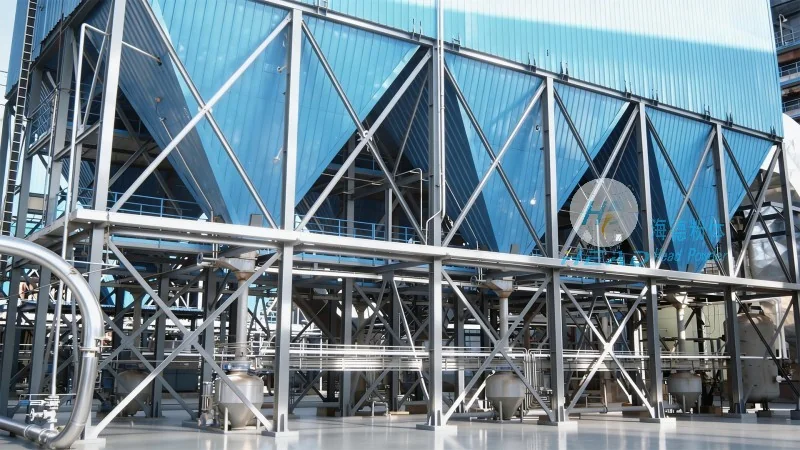
Principles of Sodium Chlorate Material Handling
Sodium chlorate (NaClO₃) is a white crystalline solid that is highly soluble in water and can be reactive under certain conditions. Its handling requires specialized equipment and procedures to prevent accidents such as spills, leaks, or unintended chemical reactions. The core principles of sodium chlorate material handling revolve around controlling the chemical's exposure to moisture, heat, and incompatible substances. Proper storage in airtight containers, away from acids and organic materials, is a fundamental practice to mitigate risks. Additionally, the use of corrosion-resistant materials for pipelines and storage tanks is critical, as sodium chlorate can be corrosive to metals like steel and aluminum under specific conditions.
When it comes to transporting sodium chlorate, the choice of equipment depends on the form of the chemical—whether it is in solid granules, powder, or solution. For solid forms, bulk handling systems such as screw conveyors, belt conveyors, and pneumatic conveyors are commonly used. These systems are designed to minimize dust generation and ensure smooth movement of the material. Pneumatic conveyors, in particular, are effective for transporting sodium chlorate in powder form, as they can handle fine particles and maintain a controlled environment. For liquid or slurry applications, pumping systems, often equipped with specialized pumps like centrifugal or positive displacement pumps, are employed. The selection of pumps must consider the chemical's viscosity, temperature, and potential for scaling or corrosion.

Working Scene Characteristics of Sodium Chlorate Material Handling
The working scene characteristics of sodium chlorate material handling vary significantly based on the industry and application. In chemical manufacturing plants, the material is typically handled in large-scale production lines where it is used as an oxidizing agent in the synthesis of other chemicals. The working environment in such settings is characterized by high throughput, continuous operation, and the need for automated material handling systems to maintain production rates. For example, in the production of chlorate-based fertilizers or bleaching agents, the material is often transferred from storage silos to processing units via conveyor belts or pipelines, with real-time monitoring of flow rates and pressure to prevent overfilling or underflow.
In water treatment facilities, sodium chlorate is used as a disinfectant and oxidant to remove contaminants and control microbial growth. The working scene here involves handling the chemical in liquid form, often in dosing systems that deliver precise amounts to treatment tanks. The key characteristics in this scenario include the need for accurate dosing, compatibility with water treatment equipment, and adherence to regulatory standards for chemical discharge. The environment is typically controlled, with temperature and pH monitoring to ensure the chemical's effectiveness and safety.
Another important working scene is in the mining and mineral processing industry, where sodium chlorate may be used in leaching processes to extract valuable minerals from ores. The material handling in this context involves transporting solid sodium chlorate to mining sites, often in bulk containers or trucks, and then processing it in on-site leaching plants. The working conditions are rugged and require equipment that can withstand harsh environments, including dust, moisture, and potential chemical exposure. Safety protocols are stringent, as the chemical is reactive and can pose risks if not handled properly.

Company Information and Expertise
HeadPowder, a leading provider of engineering solutions for chemical handling, specializes in designing and implementing systems for sodium chlorate material handling. With a focus on safety, efficiency, and compliance, HeadPowder has extensive experience in the chemical industry, particularly in handling hazardous materials like sodium chlorate. The company's headquarters is located in Shandong, China, where it operates a state-of-the-art facility dedicated to research, development, and manufacturing of material handling equipment. HeadPowder's team of engineers and technicians work closely with clients to understand their specific needs and provide tailored solutions that meet industry standards and regulatory requirements.
HeadPowder's expertise in sodium chlorate material handling includes the design of corrosion-resistant storage tanks, custom conveyor systems, and advanced pumping solutions. The company adheres to international safety and quality standards, ensuring that all equipment is tested and certified before deployment. By leveraging its knowledge of the chemical's properties and the challenges of material handling, HeadPowder helps industries optimize their operations while minimizing risks associated with sodium chlorate handling.