

Principles and Working Scene Characteristics of Salt Material Conveying
Understanding the principles and working scene characteristics of salt material conveying is crucial for optimizing industrial processes in sectors such as salt production, chemical processing, and food manufacturing. This article delves into the core mechanisms behind salt material handling systems, highlighting how specialized equipment and operational strategies ensure efficient and reliable transport of salt across various industrial applications. The information presented is based on the expertise of Shandong HeadPowder Engineering Co., Ltd., a leading provider of material handling solutions in China.

1. Core Principles of Salt Material Conveying Systems
Salt material conveying systems rely on mechanical and pneumatic technologies to transport bulk salt efficiently from storage areas to processing units or packaging lines. The primary goal is to maintain consistent flow rates, minimize material degradation, and ensure safe operation under varying environmental conditions. Mechanical conveying methods, such as screw conveyors and belt conveyors, are widely used due to their robustness and ability to handle large volumes of salt. Screw conveyors, for instance, utilize a rotating helical screw to push salt forward through a closed tube, providing controlled and continuous movement. This method is particularly effective for horizontal or slightly inclined transport, where the screw's pitch and speed can be adjusted to match the required flow rate. Belt conveyors, on the other hand, use a continuous belt to transport salt over rollers, suitable for longer distances and higher throughput. Both systems are designed to handle the abrasive nature of salt, with materials like stainless steel or high-density polyethylene used for construction to prevent wear and corrosion.
Pneumatic conveying, or air-based systems, offers an alternative for transporting salt in a dust-free environment. These systems use compressed air to create a flow that carries salt particles through a pipeline. The key components include a feeder, a compressor, and a receiver. The feeder meters the salt into the pipeline, while the compressor generates the necessary air pressure to move the material. Pneumatic systems are ideal for applications requiring minimal contamination, such as in food processing or pharmaceutical industries. However, they may be less efficient for very fine salt particles, as the air flow can cause segregation or loss of material. The choice between mechanical and pneumatic conveying depends on factors like the salt's particle size, moisture content, and the required transport distance.
2. Working Scene Characteristics in Industrial Applications
The working scene characteristics of salt material conveying vary significantly based on the industrial environment and the specific process requirements. In salt production facilities, for example, conveying systems are integrated into large-scale mining and processing operations. The primary goal is to move raw salt from underground mines to surface processing plants, where it is crushed, washed, and refined. The systems must handle high volumes of coarse salt and withstand harsh conditions, including high humidity and temperature fluctuations. In such scenarios, heavy-duty screw conveyors and bucket elevators are commonly employed to ensure reliable transport over long distances and vertical lifts.
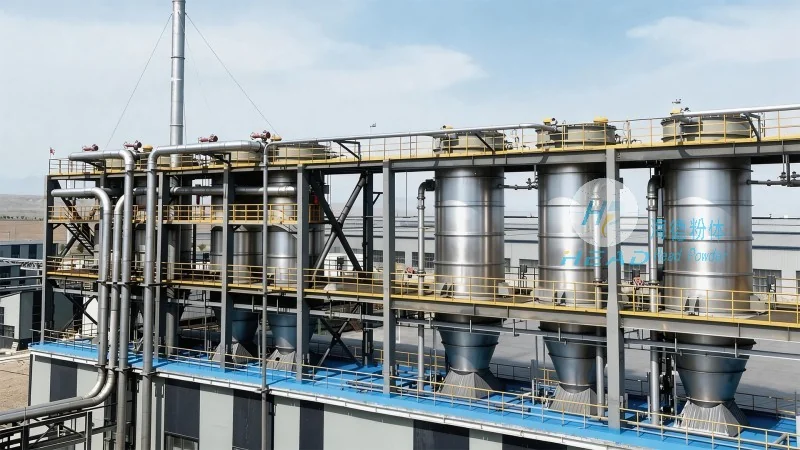
In chemical processing industries, salt is often used as a raw material or reagent. The conveying systems used here need to maintain precise control over the salt's flow rate and purity. For instance, in the production of sodium hydroxide or chlorine, salt is dissolved and then pumped through pipelines. The conveying equipment must be corrosion-resistant and capable of handling high concentrations of salt solutions. Pneumatic systems are sometimes preferred in these applications to avoid product contamination and ensure a clean transfer process. The working scene also includes the need for dust control and environmental compliance, as salt dust can be a health hazard and regulatory issue.
In food manufacturing, salt is a critical ingredient in various products, from processed meats to baked goods. The conveying systems used here must meet stringent hygiene standards. Stainless steel components and sealed systems are standard to prevent contamination from bacteria or other foreign materials. The flow rates are typically lower and more controlled, as the salt is often mixed with other ingredients or used in precise dosing applications. The working scene in food processing also involves integration with other processing equipment, such as mixers and extruders, requiring seamless coordination between the conveying system and downstream processes.

3. Technical Advantages and Operational Considerations
Effective salt material conveying systems offer several technical advantages, including energy efficiency, reduced labor costs, and improved safety. Mechanical conveying systems, particularly screw and belt conveyors, are generally more energy-efficient than pneumatic systems for long-distance horizontal transport, as they do not require compressed air. This makes them cost-effective for large-scale operations. However, pneumatic systems excel in applications where dust control and product purity are paramount, as they can transport salt in a sealed environment, minimizing exposure to contaminants.
Operational considerations for salt material conveying include maintenance, material compatibility, and environmental impact. Regular maintenance of mechanical components, such as bearings and screws, is essential to prevent breakdowns and ensure consistent performance. The choice of materials for the conveying equipment is critical, as salt can be abrasive and corrosive. Stainless steel and high-grade plastics are commonly used to extend the lifespan of the equipment and reduce maintenance costs. Environmental considerations, such as dust suppression and noise reduction, are also important, especially in industrial settings where regulations may apply. Proper sealing and filtration systems can help mitigate dust emissions and comply with environmental standards.
4. Conclusion and Company Expertise
Understanding the principles and working scene characteristics of salt material conveying is essential for optimizing industrial processes and ensuring efficient material handling. Whether using mechanical or pneumatic systems, the key is to select the appropriate technology based on the specific requirements of the application. Shandong HeadPowder Engineering Co., Ltd. specializes in designing and manufacturing customized salt material conveying solutions tailored to the unique needs of various industries. With a focus on reliability, efficiency, and safety, HeadPowder provides comprehensive material handling systems that enhance productivity and reduce operational costs for its clients. By leveraging advanced engineering and industry experience, HeadPowder continues to set standards in the field of salt material conveying, supporting the growth and success of industrial operations worldwide.