

Common Wood Dust Conveying Methods and the Advantages of HeadPowder's Pneumatic Conveying System
Wood dust, a byproduct of woodworking processes, poses unique challenges in material handling due to its fine particle size, hygroscopic nature, and potential for creating dust explosions. Effective and efficient dust conveying is crucial for maintaining workplace safety, optimizing production flow, and ensuring compliance with environmental regulations. This article explores common wood dust conveying methods and highlights the advantages of HeadPowder's pneumatic conveying solutions, a leading provider in the industry.

Common Wood Dust Conveying Methods
Traditional wood dust conveying methods include mechanical systems like screw conveyors, belt conveyors, and bucket elevators. These methods are widely used for bulk material handling but often face limitations when dealing with fine wood dust. For instance, screw conveyors can cause excessive friction and heat, which may degrade the dust quality or even ignite it under certain conditions. Belt conveyors, while effective for larger particles, struggle with fine dust due to the risk of clogging and material loss. Bucket elevators, though capable of vertical transport, require regular maintenance and can be prone to dust leakage, leading to safety hazards.

Advantages of HeadPowder's Pneumatic Conveying System
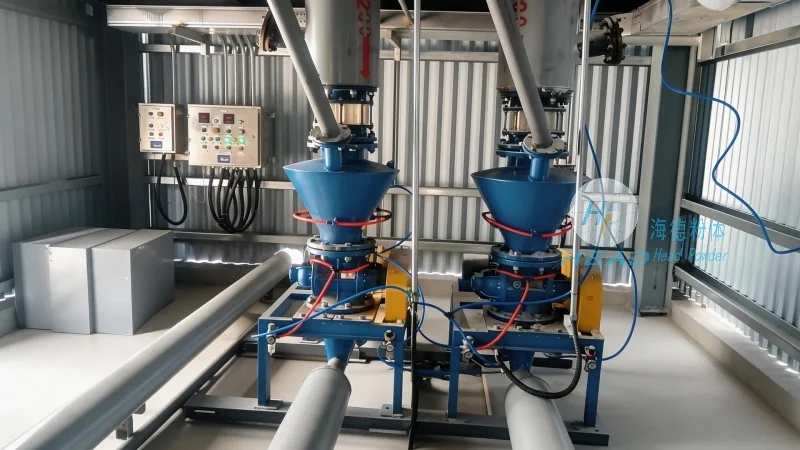
HeadPowder, a professional manufacturer based in Shandong, China, specializes in developing advanced pneumatic conveying systems tailored for wood dust applications. The company's solutions leverage the principles of air-based transport to address the challenges associated with traditional methods. Key advantages include:

- Enhanced Safety and Explosion Prevention: Pneumatic systems use enclosed pipelines and controlled air pressure, significantly reducing the risk of dust accumulation and explosion. HeadPowder's designs incorporate explosion-proof components and advanced filtration systems to ensure compliance with safety standards.
- Efficient and Gentle Material Handling: The air-based transport minimizes friction and impact on wood dust particles, preserving their quality and preventing degradation. This is particularly important for dust that may be used in downstream processes like particleboard production or wood flour manufacturing.
- Flexible and Scalable Solutions: HeadPowder offers customized pneumatic conveying systems that can be adapted to various production scales and layouts. Whether for small-scale workshops or large industrial facilities, the systems can be designed to handle different dust types and flow rates, ensuring optimal performance.
- Low Maintenance and Longevity: The components of pneumatic systems are typically made of corrosion-resistant materials, reducing the need for frequent maintenance. HeadPowder's systems are engineered for durability, with long service life and minimal downtime, contributing to lower operational costs over time.
Application Examples and Case Studies
HeadPowder's pneumatic conveying systems have been successfully implemented in various woodworking and furniture manufacturing facilities across China. For example, a large furniture manufacturer in Shandong reduced dust-related safety incidents by 80% after adopting HeadPowder's system, which integrated explosion-proof filters and automated dust collection. Another case involved a wood flour production plant that increased production efficiency by 25% by implementing a customized pneumatic conveying line, minimizing material loss and improving process consistency.
Conclusion
When considering wood dust conveying methods, it is essential to evaluate the specific needs of the application, including safety requirements, material quality, and operational efficiency. HeadPowder's pneumatic conveying solutions provide a reliable and advanced alternative to traditional methods, offering enhanced safety, efficiency, and flexibility. As a trusted provider based in Shandong, China, HeadPowder continues to innovate in the field of wood dust handling, delivering high-quality systems that meet the demands of modern woodworking industries.