

Principle and Working Scene Characteristics of Quartz Sand Particle Pneumatic Conveying Machine
Quartz sand, a critical raw material in industries like glass manufacturing, ceramics, and construction, often requires efficient and reliable transportation methods. Pneumatic conveying systems have become a preferred solution for handling quartz sand particles due to their ability to transport materials in a closed system, minimizing dust and contamination. This article explores the fundamental principles behind quartz sand particle pneumatic conveying machines and highlights the key characteristics of their operational scenarios.
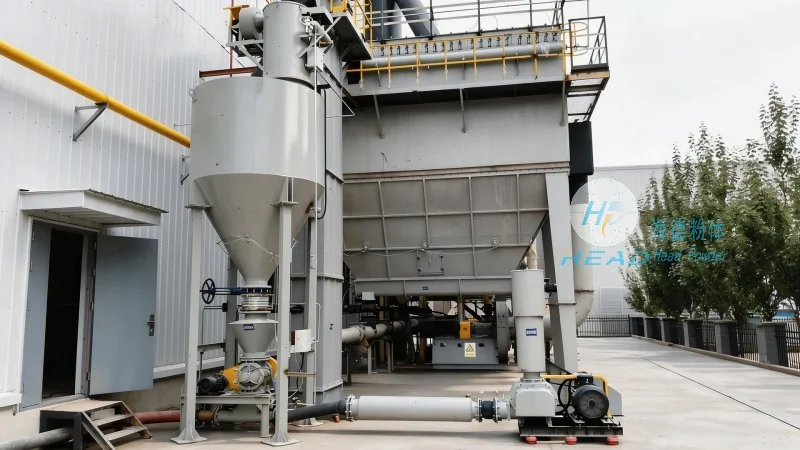
Understanding the Core Principles of Quartz Sand Particle Pneumatic Conveying
The operation of a quartz sand particle pneumatic conveying machine is based on fluid dynamics and gas-solid two-phase flow principles. At its core, the system uses compressed air or gas to move solid particles through a network of pipes. Two primary types of pneumatic conveying systems exist: positive pressure and negative pressure. Positive pressure systems introduce air under pressure at the material inlet, pushing particles forward through the pipeline. Negative pressure systems create a vacuum at the discharge end, drawing material into the system. For quartz sand, which is typically dry and abrasive, positive pressure systems are often favored as they offer better flow control and reduce clogging risks in the pipeline.
A key component is the air compressor, which generates the necessary pressure at the inlet. The pipeline design is also critical, constructed from materials like stainless steel, carbon steel, or specialized composites to withstand abrasion and corrosion. The pipeline is usually arranged in a straight or slightly inclined configuration, with bends and elbows to direct flow without excessive pressure drops or particle separation.

Key Working Scene Characteristics of Quartz Sand Particle Pneumatic Conveying Machines
The operational characteristics of these machines are tailored to industrial demands. A major advantage is long-distance bulk transport without intermediate storage or manual handling, ideal for large-scale processing plants where raw material is sourced from quarries. The system handles particle sizes from 0.1 mm to 2 mm effectively, with optimal air velocity (20-30 m/s) ensuring particles remain suspended. The closed system design maintains material purity by protecting against moisture, pollutants, or contamination—critical for high-purity applications like glass manufacturing.

Efficiency is influenced by air pressure and velocity, with modern systems using variable speed drives and sensors to optimize energy use. The closed environment also reduces dust emissions, meeting environmental regulations and enhancing workplace safety by minimizing health risks from dust exposure.
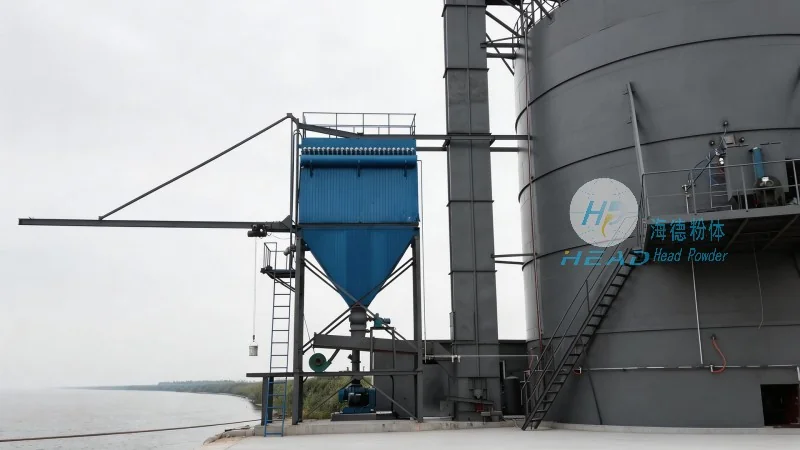
Application Scenarios and Operational Benefits
In the glass industry, these machines transport quartz sand from silos to melting furnaces, supporting high production rates. In ceramics, they move sand to mixing units for ceramic production. For construction, they deliver sand to batching plants for concrete and mortar, improving product quality and safety. Beyond efficiency, the closed system reduces environmental impact, and low maintenance costs contribute to long-term savings.
Conclusion
Quartz sand particle pneumatic conveying machines leverage fluid dynamics to provide efficient, dust-free material transport. Their working scene characteristics—long-distance capability, closed system operation, and adaptability to particle size—make them suitable for diverse industries. Companies like Shandong HeadPowder Engineering Co., Ltd., based in China, specialize in designing and manufacturing such systems, offering tailored solutions that meet client needs. As industrial demands for efficient material handling grow, pneumatic conveying technology remains vital for processing quartz sand and other fine materials.