

How to Choose the Right Pneumatic Conveying System for Your Compound Fertilizer Handling Process?
When it comes to managing the complex process of compound fertilizer production and distribution, selecting the appropriate conveying system is a critical decision that impacts efficiency, safety, and overall operational costs. Pneumatic conveying systems have emerged as a preferred solution for many manufacturers due to their ability to handle bulk materials like fertilizers with precision and reliability. However, with various types of pneumatic systems available, choosing the right one for your specific compound fertilizer handling process requires careful consideration of several key factors.

Understanding the Core Requirements of Compound Fertilizer Handling
Compound fertilizers are typically composed of a blend of nitrogen, phosphorus, and potassium (NPK) along with other micronutrients and additives. These materials often have unique characteristics such as varying particle sizes, moisture content, and flowability. The conveying system must be designed to accommodate these variations without causing degradation or segregation of the product. For instance, some fertilizers may be hygroscopic, meaning they absorb moisture from the air, which can affect their handling properties. A well-designed pneumatic system should maintain the integrity of the fertilizer, preventing clumping or caking during transport.
Key Factors to Consider When Selecting a Pneumatic Conveying System
Several critical factors should guide the selection of a pneumatic conveying system for compound fertilizer applications. The first is the material's physical properties, including particle size distribution, density, and abrasiveness. These characteristics determine the type of conveying technology—such as pressure or vacuum systems—and the necessary equipment like cyclones, filters, and material handling components. For example, high-abrasive fertilizers may require specialized wear-resistant materials for the system's components to ensure longevity and reduce maintenance costs.

Another crucial factor is the scale of the operation and the required throughput. Small-scale operations might benefit from a simple vacuum system, while large-scale production facilities may need a combination of pressure and vacuum conveying to handle high volumes efficiently. The system's capacity must align with the production rate to avoid bottlenecks or underutilization of resources. Additionally, the layout of the facility and the distance over which materials need to be conveyed are important considerations. Horizontal, vertical, or a combination of both conveying paths may be required, and the system design should accommodate these spatial constraints without compromising performance.
Types of Pneumatic Conveying Systems for Compound Fertilizers
There are primarily two types of pneumatic conveying systems used in the fertilizer industry: pressure and vacuum systems. Pressure systems use compressed air to push material through a pipeline, while vacuum systems use a vacuum to draw material into the system. Each type has its advantages and is suitable for different scenarios. Pressure systems are often preferred for long-distance or high-volume conveying due to their ability to maintain consistent flow rates and handle abrasive materials effectively. They are particularly useful when the material needs to be conveyed from a central storage area to multiple processing points or for distribution to storage silos.
Vacuum systems, on the other hand, are ideal for short-distance conveying or when the material is to be collected from various points and transported to a central location. They are commonly used in applications where the material is generated at multiple points, such as in a blending or granulation process, and needs to be collected and moved efficiently. The choice between pressure and vacuum systems depends on factors like the distance, material characteristics, and the overall layout of the facility.
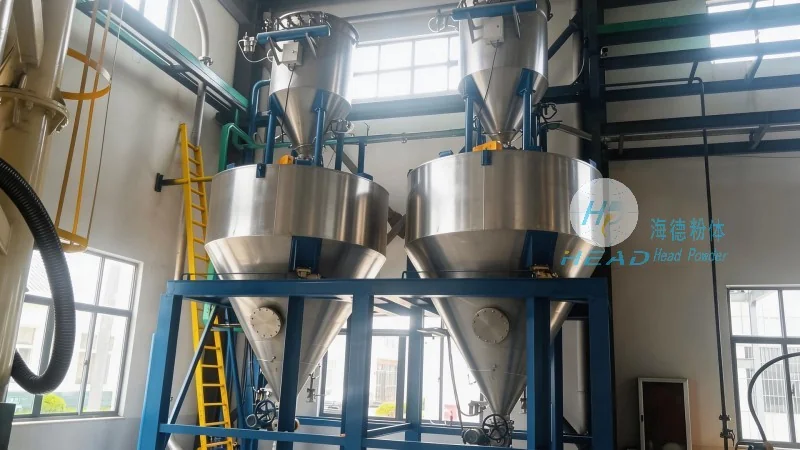
Material Handling and Process Integration
Effective pneumatic conveying for compound fertilizers also involves seamless integration with the existing production and processing equipment. The system must be compatible with other machinery such as mixers, granulators, and packaging units. This integration ensures smooth material flow from one stage to the next, minimizing downtime and maximizing productivity. For instance, a conveying system that connects the granulation unit to the drying or cooling section must be designed to handle the temperature and moisture variations of the material during transit. Proper temperature control and moisture management are essential to prevent product degradation and maintain quality standards.
Additionally, the system should incorporate features that enhance safety and operational reliability. This includes filters to remove dust and particles from the air, which not only protects the environment but also prevents equipment damage from particulate buildup. The system should also have monitoring and control capabilities to adjust air pressure, flow rates, and other parameters in real-time based on the material's behavior. This dynamic adjustment helps maintain optimal performance and prevents issues such as blockages or overloading.
Long-Term Benefits and Cost Considerations
Investing in a well-designed pneumatic conveying system for compound fertilizer handling offers several long-term benefits. By improving material flow efficiency, the system reduces labor costs associated with manual handling and minimizes the risk of product contamination. It also enhances safety by eliminating the need for workers to handle bulk materials directly, reducing the likelihood of accidents and injuries. Furthermore, a properly engineered system can extend the lifespan of other equipment by preventing abrasive wear and reducing maintenance requirements.

From a cost perspective, while the initial investment in a pneumatic conveying system may be higher than traditional methods like belt conveyors, the long-term savings in operational costs and maintenance can outweigh the initial expense. The system's ability to handle high volumes with minimal downtime and its adaptability to changing production needs make it a cost-effective solution for many fertilizer manufacturers. Over time, the reduced maintenance and increased productivity contribute to a higher return on investment, making it a strategic choice for businesses looking to optimize their compound fertilizer handling processes.
Conclusion: Partnering with an Expert for Optimal Solutions
Choosing the right pneumatic conveying system for your compound fertilizer handling process is a decision that requires a deep understanding of both the material's characteristics and the operational requirements of your facility. It is essential to work with a reputable engineering company that specializes in bulk material handling solutions. Shandong HeadPowder Engineering Co., Ltd., a leading provider in this field, offers comprehensive expertise and tailored solutions to meet the unique needs of fertilizer manufacturers. With a focus on quality, efficiency, and customer satisfaction, HeadPowder helps businesses select and implement the most suitable pneumatic conveying systems, ensuring smooth and reliable operation of their compound fertilizer production and distribution processes. By leveraging their experience and advanced technology, companies can enhance their operational performance, reduce costs, and maintain the highest standards of product quality.