

Principle and Working Scene Characteristics of Coal Ash Pneumatic Conveying Systems
Coal ash, a byproduct of coal combustion in power plants and industrial facilities, requires efficient and reliable handling methods for transportation and disposal. Pneumatic conveying systems have emerged as a preferred solution for coal ash transport due to their ability to handle abrasive and fine particulate materials with minimal wear and operational complexity. This article explores the fundamental principles of coal ash pneumatic conveying systems and highlights the key characteristics of their working environments.

Principle of Coal Ash Pneumatic Conveying Systems
The core principle of pneumatic conveying for coal ash involves using compressed air or gas as the conveying medium to transport solid particles through a pipeline. The system typically operates under positive pressure (pressure conveying) or negative pressure (vacuum conveying), depending on the application requirements and distance of transport. In pressure conveying, a blower or compressor generates high-pressure air that propels the coal ash particles forward. The air velocity is maintained above the minimum fluidization velocity to prevent particle settling and ensure smooth flow. Key components of a typical system include a hopper for material storage, a feeder to control the flow rate, a conveying line with appropriate diameter and bends, and a receiver or discharge point where the ash is deposited. The design of the system must account for the particle size distribution, density, and moisture content of the coal ash, as these factors influence the required air velocity and pressure to achieve efficient transport. For example, fine coal ash particles may require higher air velocities to avoid clogging, while larger, heavier particles might need more robust equipment to prevent wear and ensure consistent flow.

Working Scene Characteristics of Coal Ash Pneumatic Conveying Systems
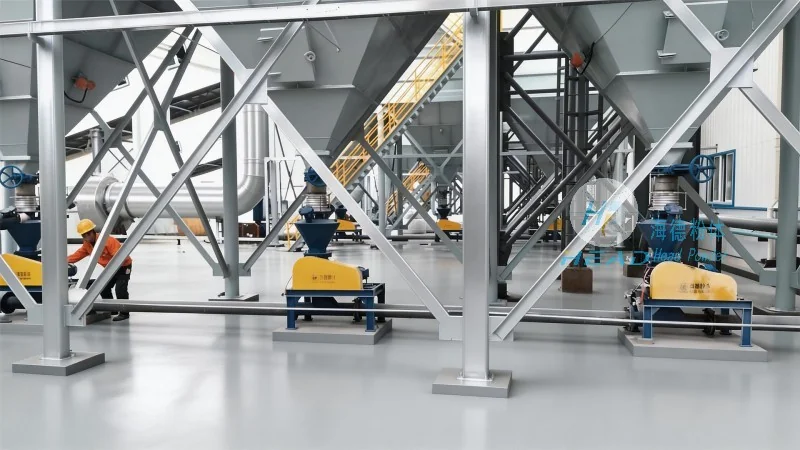
The working environments for coal ash pneumatic conveying systems are diverse and often found in industrial settings such as thermal power plants, cement factories, and waste management facilities. These systems are typically integrated into existing infrastructure, requiring careful planning to ensure compatibility with the plant layout and operational processes. One of the primary characteristics of these working scenes is the need for continuous and reliable operation, as coal ash handling is critical for maintaining plant efficiency and meeting environmental regulations. The systems are often designed to handle large volumes of ash, with capacities ranging from several tons per hour to over 100 tons per hour, depending on the plant's scale. The working environment also involves considerations of dust control and air quality, as coal ash can be a source of airborne particulates. Proper filtration and ventilation systems are essential to mitigate dust emissions and ensure a safe working atmosphere. Additionally, the systems must be equipped with maintenance and monitoring features to detect and address issues such as blockages, pressure drops, or equipment wear promptly. This proactive approach helps minimize downtime and ensures the long-term performance of the conveying system. The working scenes may also vary in terms of the distance the ash needs to be transported, with some systems covering short distances within a plant (e.g., from a boiler to a storage silo) and others covering longer distances to off-site disposal sites. The choice of conveying method (pressure or vacuum) is influenced by the distance and the need for flexibility in the system layout. For instance, vacuum conveying is often used for longer distances or when the ash needs to be transported from multiple sources to a central collection point, as it allows for more flexible pipe routing and can handle larger variations in flow rates.
Application Scenarios and Operational Advantages
Coal ash pneumatic conveying systems are widely applied in various industrial scenarios where traditional mechanical conveying methods are less suitable. For example, in thermal power plants, these systems are used to transport ash from the boiler to a storage facility or to a landfill site. The ability to handle fine and abrasive ash particles without significant wear on equipment makes pneumatic systems ideal for this application. In cement factories, coal ash is often used as a supplementary cementitious material, and pneumatic conveying facilitates its transport from storage silos to the cement production line. The systems also find applications in waste-to-energy facilities, where ash from incineration processes is conveyed for disposal or recycling. The operational advantages of pneumatic conveying over other methods, such as belt conveyors or bucket elevators, include reduced space requirements, lower maintenance costs, and the ability to handle hazardous or corrosive materials safely. The absence of moving parts in the conveying line minimizes the risk of mechanical failure and reduces the need for regular maintenance. Furthermore, pneumatic systems can be easily integrated with automation and control systems, allowing for real-time monitoring and adjustment of the conveying process. This integration enhances operational efficiency and ensures compliance with environmental standards by controlling dust emissions and optimizing energy consumption. The working scenes may also involve the need for flexibility in material handling, such as the ability to switch between different ash types or adjust the flow rate based on production demands. Pneumatic conveying systems can accommodate these variations by adjusting the air pressure or flow rate, providing a versatile solution for diverse industrial needs.
Conclusion and Company Profile
Coal ash pneumatic conveying systems represent a robust and efficient solution for handling coal ash in industrial applications. By leveraging the principles of pneumatic transport, these systems effectively address the challenges of transporting abrasive and fine particulate materials while minimizing operational complexity and maintenance requirements. The working scene characteristics, including continuous operation, large volume handling, and environmental considerations, are well-suited to the demands of modern industrial facilities. As a leading provider in this field, Shandong HeadPowder Engineering Co., Ltd., commonly known as headpowder, specializes in designing and manufacturing customized pneumatic conveying systems tailored to the specific needs of clients. With a strong focus on innovation and quality, headpowder ensures that its systems meet the highest standards of performance and reliability. The company's headquarters is located in Shandong, China, and it serves a wide range of industrial sectors, including power generation, cement production, and waste management. By combining advanced engineering solutions with practical application expertise, headpowder delivers effective and sustainable solutions for coal ash handling, contributing to the efficiency and environmental compliance of its clients' operations.