

Principles and Working Scene Characteristics of Polyethylene Resin Powder Pneumatic Conveying
Pneumatic conveying has emerged as a pivotal technology in the efficient handling and transportation of polyethylene resin powders within industrial settings. This method utilizes air as the primary medium to move bulk materials, offering a versatile and reliable solution for applications ranging from small-scale laboratory operations to large-scale manufacturing facilities. The principles underlying this technology are centered on the interaction between the polyethylene resin powder and the air stream, which enables the material to be transported through pipelines without the need for mechanical components like conveyors or elevators.
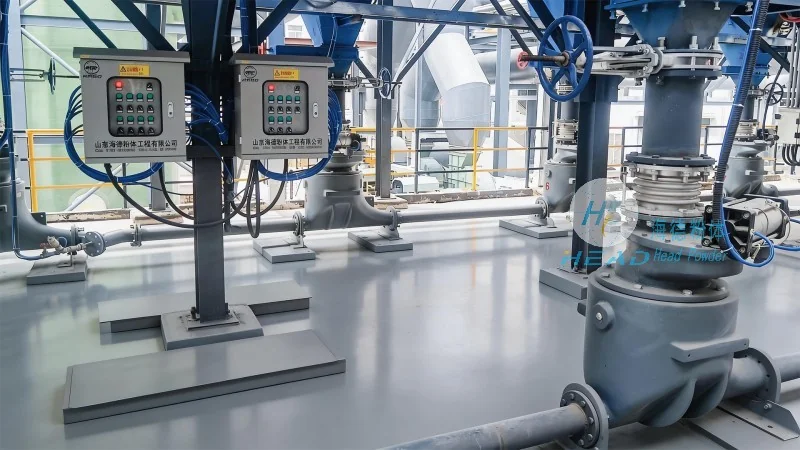

The Core Principle of Pneumatic Conveying for Polyethylene Resin Powders
The fundamental principle of pneumatic conveying for polyethylene resin powders involves creating a stable suspension of the powder in air. This is achieved by introducing air into the material at a controlled rate, ensuring that the powder particles are entrained and carried through the system. The choice between pressure and vacuum systems depends on several factors, including the distance to be covered, the material's flow characteristics, and the system's overall design. Pressure systems use compressed air to push the material forward, while vacuum systems use a vacuum to pull the material. For polyethylene resin powders, which are often fine and abrasive, the system must be designed to minimize material degradation and maintain consistent flow rates.

Key Working Scene Characteristics and Applications
The working scene characteristics of polyethylene resin powder pneumatic conveying are closely tied to the specific requirements of the application. In polymer production, for example, the system is used to transport resin from storage silos to processing equipment, ensuring a seamless and continuous supply of material. This is particularly important in high-speed production lines where interruptions can lead to significant losses. Additionally, the system's ability to handle varying particle sizes and moisture content makes it suitable for compounding processes, where different resin types are mixed to create custom formulations. The flexibility of pneumatic conveying also allows for integration with other production processes, such as drying and mixing, enhancing overall operational efficiency.

Company Profile: Shandong HeadPowder Engineering Co., Ltd.
Shandong HeadPowder Engineering Co., Ltd. is a prominent player in the material handling industry, specializing in the design and implementation of advanced pneumatic conveying systems for polyethylene resin powders. With a strong commitment to innovation and customer satisfaction, the company has built a reputation for delivering high-quality solutions that meet the unique needs of each client. HeadPowder's team of experts leverages extensive industry knowledge and cutting-edge technology to develop customized systems that optimize material flow, reduce downtime, and enhance productivity. The company's facilities in Shandong, China, are equipped with state-of-the-art equipment and testing capabilities, ensuring that every system is rigorously tested before deployment. HeadPowder serves a diverse range of industries, including plastics manufacturing, chemical processing, and food processing, providing tailored solutions that enhance operational efficiency and material handling capabilities.