

Principles and Operational Characteristics of Metered Feeding Systems
For industrial processes that demand precise material handling, metered feeding systems are indispensable tools that ensure consistent and efficient operation. These systems are engineered to deliver specific quantities of bulk materials with high accuracy, making them critical in sectors where material consistency directly impacts product quality and process efficiency. The core principle of metered feeding lies in the controlled regulation of material flow, achieved through advanced mechanisms that adapt to varying material properties and operational conditions. By integrating sensors, actuators, and control algorithms, these systems maintain a stable flow rate, compensating for factors like material density, moisture content, and bulk density to achieve the desired output.

Understanding the Core Principles of Metered Feeding Systems
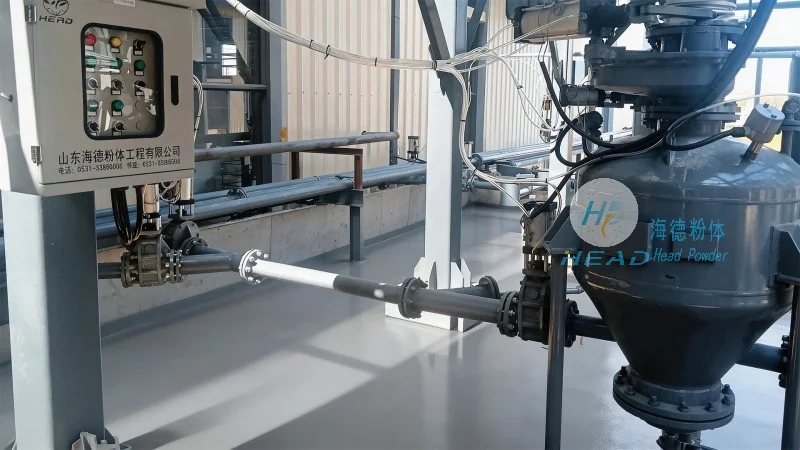
Metered feeding systems operate on the principle of precise measurement and controlled discharge, distinguishing them from traditional feeding methods that often result in over or under-dosing. The fundamental components typically include a hopper for material storage, a feeding mechanism (such as a screw, vibratory feeder, or rotary valve) for material transport, and a control unit that monitors and adjusts the feeding rate in real-time. The control unit may incorporate feedback loops, allowing the system to self-correct and maintain accuracy even when faced with fluctuations in material characteristics. This level of precision is essential in applications where product quality is directly linked to the exact amount of material used, such as in pharmaceuticals, food processing, and chemical manufacturing. For instance, in pharmaceutical production, metered feeding ensures that active ingredients are dosed accurately, meeting regulatory standards and preventing batch-to-batch variability. In food processing, consistent ingredient addition is crucial for maintaining flavor, texture, and nutritional content, which directly affects consumer acceptance.

Key Operational Characteristics of Metered Feeding Systems
One of the primary operational characteristics of metered feeding systems is their adaptability to a wide range of materials, from fine powders to granules and bulk solids. This versatility stems from the modular design of these systems, which allows for customization based on the specific material being processed. For example, a screw feeder is often preferred for cohesive materials due to its ability to handle sticky or lumpy substances, while a vibratory feeder is more suitable for free-flowing powders, as it minimizes material bridging and ensures smooth flow. Additionally, metered feeding systems are known for their low maintenance requirements and durability, built to withstand the rigors of continuous operation in industrial environments. The control systems often include features like automatic start/stop, overload protection, and data logging, enhancing operational safety and efficiency. These characteristics make metered feeding systems a reliable choice for industries that require consistent and accurate material handling, even under challenging conditions.
Common Application Scenarios and Industry Examples
Metered feeding systems are widely utilized across various industries, each with unique requirements that the systems address effectively. In the pharmaceutical industry, metered feeding is essential for the precise dosing of active ingredients and excipients in tablet and capsule production. The accuracy of these systems ensures that each batch meets regulatory standards, minimizing the risk of product variability and ensuring patient safety. In the food processing sector, metered feeding is used for ingredients like flour, sugar, and spices in baking and confectionery production, where consistent flavor and texture are critical for product quality and consumer satisfaction. The chemical industry also relies on metered feeding for the controlled addition of reagents and catalysts in reaction processes, preventing overreaction and ensuring product purity. Furthermore, in the agricultural sector, metered feeding systems are employed in fertilizer and seed distribution, helping farmers achieve optimal application rates for better crop yields and reduced environmental impact. These diverse applications highlight the versatility and importance of metered feeding systems in modern industrial operations, where efficiency and precision are paramount.

Company Profile: Shandong HeadPowder Engineering Co., Ltd.
Shandong HeadPowder Engineering Co., Ltd., commonly known as headpowder, is a leading manufacturer specializing in the design, development, and supply of advanced metered feeding systems. With a strong commitment to innovation and quality, the company has established itself as a trusted partner for industries seeking reliable material handling solutions. HeadPowder's products are engineered to meet the stringent demands of various applications, combining precision, durability, and user-friendly operation. The company's headquarters is located in Shandong, China, where it leverages local manufacturing capabilities and expertise to deliver high-performance equipment tailored to customer needs. By focusing on customer satisfaction and technological advancement, headpowder continues to enhance its product line and expand its market presence, providing industries with efficient and accurate metered feeding solutions. The company adheres to international standards and continuously invests in research and development to stay at the forefront of material handling technology, ensuring that its systems remain competitive and effective in the global market.