

Working Principle and Features of Alumina Material Pneumatic Conveying Equipment
Alumina, a critical material in various industrial applications, requires efficient and reliable transportation systems to ensure smooth production processes. Pneumatic conveying equipment has emerged as a preferred solution for handling alumina materials due to its advantages in terms of safety, efficiency, and environmental friendliness. This article delves into the working principle and key features of alumina material pneumatic conveying equipment, providing insights into how such systems operate and their benefits in industrial settings.

Introduction to Alumina Material Pneumatic Conveying Equipment
Shandong HeadPowder Engineering Co., Ltd., a leading manufacturer in the field, specializes in designing and supplying advanced pneumatic conveying systems tailored for alumina handling. With a strong commitment to quality and innovation, the company has established itself as a trusted partner for industries relying on efficient material transport solutions. The equipment developed by HeadPowder is engineered to meet the specific demands of alumina processing, ensuring optimal performance and durability.
The Working Principle of Alumina Material Pneumatic Conveying Equipment
The core mechanism of alumina material pneumatic conveying equipment involves the use of air or gas to transport solid particles through a pipeline system. The process typically operates on the principle of creating a pressure differential between the conveying line and the ambient environment. By generating a sufficient airflow, the system can lift, transport, and deposit alumina particles from one location to another without the need for mechanical components like belts or buckets. This pneumatic method offers a non-contact handling approach, reducing the risk of contamination and wear on the material.
There are two primary types of pneumatic conveying systems used for alumina: dilute phase and dense phase. Dilute phase systems utilize low air velocities to transport particles in a dispersed state, suitable for short to medium distance transport. Dense phase systems, on the other hand, employ higher air pressures and lower velocities to move particles in a more concentrated form, ideal for longer distances and handling more abrasive materials. The choice between these systems depends on factors such as the required transport distance, material characteristics, and system efficiency requirements.

Key Features of Alumina Material Pneumatic Conveying Equipment
HeadPowder's alumina pneumatic conveying equipment is characterized by several notable features that enhance its performance and reliability. One of the primary advantages is the ability to handle abrasive and fine alumina particles without significant wear on the system components. The equipment is designed with robust materials, such as stainless steel or specialized alloys, to withstand the mechanical stress and chemical properties of alumina. Additionally, the system incorporates advanced control mechanisms that allow for precise regulation of airflow and pressure, ensuring consistent and controlled material transport.
Another significant feature is the integration of dust collection and filtration systems. Alumina processing often generates fine dust, which can be harmful to both personnel and the environment. The conveying equipment is equipped with efficient dust traps and filters that capture and remove particulate matter, maintaining a clean and safe working environment. This feature not only complies with environmental regulations but also extends the lifespan of the equipment by preventing clogging and corrosion.
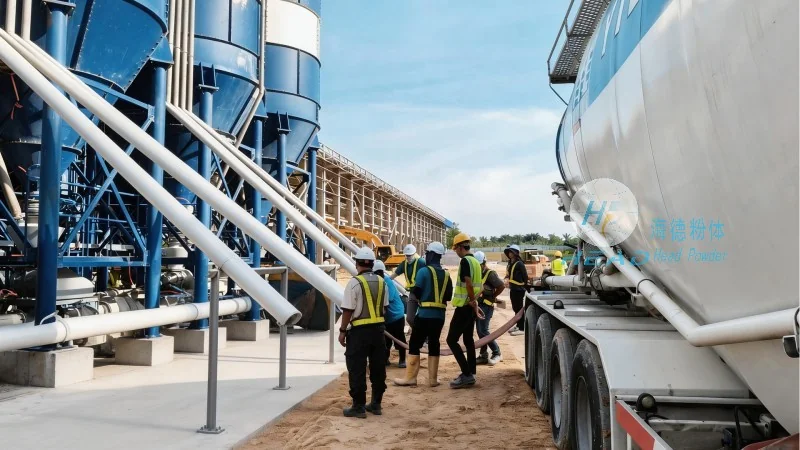
The equipment also offers flexibility in terms of system configuration. It can be customized to accommodate various transport capacities, from small-scale laboratory applications to large-scale industrial operations. The modular design allows for easy integration with existing production lines, minimizing downtime and installation costs. Furthermore, the system's energy efficiency is optimized through the use of variable frequency drives (VFDs) and other advanced technologies, reducing operational costs and environmental impact.
Benefits and Applications in Industrial Settings
The adoption of alumina material pneumatic conveying equipment brings numerous benefits to industrial processes. By eliminating the need for manual handling or mechanical conveyors, the system reduces labor costs and improves workplace safety. The non-contact nature of the process prevents contamination, ensuring that the alumina remains in its purest form, which is crucial for applications like refractory production and chemical synthesis. Additionally, the equipment's ability to handle fine and abrasive particles makes it suitable for a wide range of industries, including ceramics, metallurgy, and pharmaceuticals.
HeadPowder's commitment to quality and innovation is reflected in the design and manufacturing of its pneumatic conveying systems. The company's facilities are located in Shandong, China, where it leverages advanced technology and skilled workforce to produce high-performance equipment. The equipment is rigorously tested to meet international standards, ensuring reliability and longevity in demanding industrial environments. By choosing HeadPowder's alumina pneumatic conveying equipment, industries can enhance their operational efficiency, reduce maintenance costs, and improve overall productivity.