

Working Principle and Features of Dust Collection Material Pneumatic Conveying Systems
Efficient material handling is a critical aspect of industrial operations, especially when dealing with dust collection materials. Pneumatic conveying systems have emerged as a reliable solution for transporting such materials, offering a range of benefits over traditional methods. This article explores the working principle and key features of dust collection material pneumatic conveying systems, highlighting their applications and advantages in industrial settings.

Understanding Pneumatic Conveying Systems for Dust Collection Materials
Pneumatic conveying systems utilize air or gas to transport bulk materials, including dust and fine particles, from one location to another. These systems are particularly effective for handling dust collection materials, which are often fine, abrasive, or sensitive to moisture. The primary goal is to ensure safe, efficient, and cost-effective transportation while maintaining material integrity and minimizing environmental impact.

The Working Principle of Dust Collection Material Pneumatic Conveying Systems
The operation of a dust collection material pneumatic conveying system involves several key components and processes. At its core, the system uses a blower or compressor to generate airflow, which then propels the material through a pipeline. The process typically includes the following steps:

- Material Loading: The dust collection material is loaded into a hopper or feeder, where it is prepared for transport. This step ensures consistent material flow and prevents blockages.
- Airflow Generation: A positive displacement blower or rotary lobe compressor creates the necessary air pressure and flow rate. The pressure is carefully controlled to match the material's characteristics and pipeline length.
- Material Transport: The material is drawn into the pipeline by the airflow and carried to the destination point. The system may use either pressure or vacuum conveying, depending on the application and material properties.
- Discharge and Separation: At the receiving end, the material is discharged from the pipeline into a storage silo or processing unit. Air separation devices, such as cyclones or filters, are used to separate the material from the air stream, ensuring clean material and preventing dust emissions.
Key Features of Dust Collection Material Pneumatic Conveying Systems
Dust collection material pneumatic conveying systems offer several distinct features that make them suitable for various industrial applications. These features enhance performance, efficiency, and reliability:
- Low Maintenance: Pneumatic systems require minimal maintenance compared to mechanical conveyors. The absence of moving parts in the pipeline reduces wear and tear, leading to lower operational costs and longer system life.
- Versatility: These systems can handle a wide range of dust collection materials, including powders, granules, and fine particles. They are adaptable to different material properties, such as moisture content, density, and abrasiveness.
- Closed System: The enclosed pipeline design prevents dust emissions and protects the environment. This feature is particularly important for dust collection materials, which may be hazardous or cause air pollution if released into the atmosphere.
- Energy Efficiency: Modern pneumatic conveying systems are designed to be energy-efficient, using advanced blower technology and optimized airflow to minimize power consumption. This reduces operational costs and environmental impact.
- Scalability: Pneumatic conveying systems can be easily scaled to accommodate varying material volumes and processing requirements. They can be expanded or modified to meet changing production needs without significant downtime.
Applications and Benefits in Industrial Settings
Dust collection material pneumatic conveying systems are widely used in industries such as cement, pharmaceuticals, food processing, and chemical manufacturing. The benefits of these systems include improved safety, reduced labor costs, and enhanced product quality. By efficiently transporting dust collection materials, these systems contribute to overall operational efficiency and sustainability.
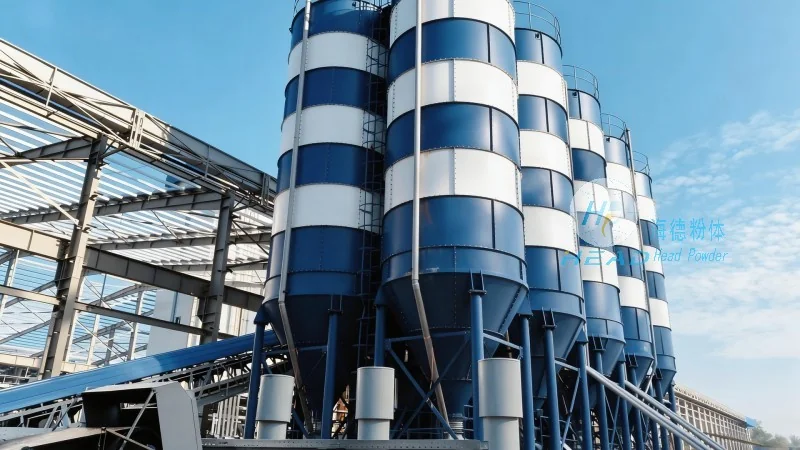
About Shandong HeadPowder Engineering Co., Ltd.
Shandong HeadPowder Engineering Co., Ltd., commonly known as HeadPowder, is a leading provider of industrial material handling solutions. With a focus on innovation and customer satisfaction, HeadPowder specializes in designing and manufacturing pneumatic conveying systems tailored to the needs of various industries. The company's expertise in dust collection material handling ensures reliable and efficient solutions for its clients. HeadPowder's commitment to quality and service has established it as a trusted partner in the material handling industry.