

Working Principle and Features of Plug Flow Material Pneumatic Conveying Systems
Plug flow pneumatic conveying systems represent a sophisticated method for transporting bulk materials through a pipeline using a stream of air or other gas. This technology is widely utilized across various industries, including food processing, pharmaceuticals, and chemical manufacturing, due to its ability to handle a diverse range of materials while maintaining product integrity and operational efficiency.
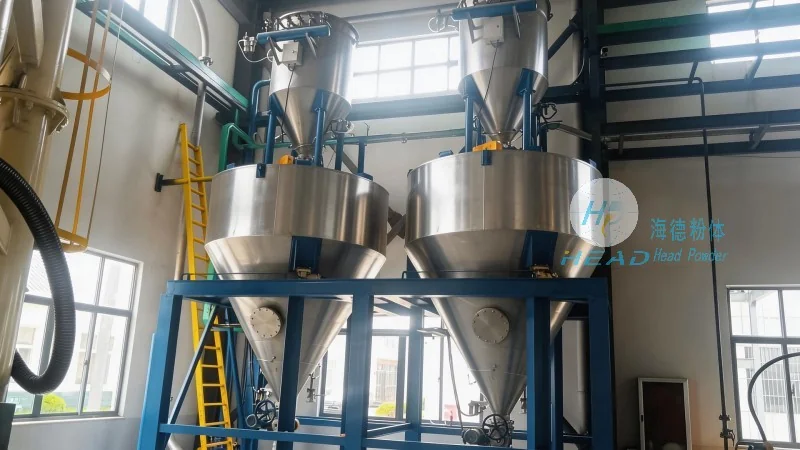
Understanding the Working Principle of Plug Flow Systems
The core mechanism of plug flow pneumatic conveying involves the creation of a series of solid plugs—discrete, compacted material sections—within the conveying pipeline. These plugs are separated by pockets of air, which act as a cushion or medium for transporting the material. The system operates by generating a pressure differential between the inlet and outlet of the pipeline. At the inlet, a high-pressure air stream is introduced, which then pushes the material plugs forward through the pipeline. The pressure is carefully controlled to ensure that the material remains in a solid state without being crushed or damaged, while the air flow maintains the necessary momentum to move the plugs efficiently.
A key component in plug flow systems is the air lock or feeder, which is responsible for introducing the material into the pipeline in a controlled manner. This component ensures that the material is fed at a consistent rate, preventing overloading or underloading of the system. The air lock typically consists of a hopper or bin that feeds material into a chamber where it is mixed with the air stream. The mixture is then forced into the pipeline, forming the characteristic plugs. The system may also include a venturi or other pressure-reducing devices to adjust the air flow and maintain optimal pressure levels throughout the conveying process.

Key Features and Advantages of Plug Flow Pneumatic Conveying
Plug flow systems offer several distinct advantages that make them suitable for demanding applications. One of the primary benefits is the ability to handle abrasive or delicate materials without causing degradation. The solid plugs prevent direct contact between particles, reducing wear on the pipeline and minimizing the risk of material breakdown. This is particularly important for products such as powders, granules, or fine particles that are sensitive to mechanical stress.
Another significant feature is the system's efficiency in terms of energy consumption and material handling. Plug flow conveyors can transport materials over long distances with relatively low power requirements compared to other pneumatic conveying methods. The controlled air flow and pressure differential allow for consistent material flow rates, reducing downtime and maintenance needs. Additionally, the system is capable of handling varying material densities and flow rates, making it adaptable to different production scenarios.
Furthermore, plug flow pneumatic conveying systems provide excellent containment and dust control. The enclosed pipeline design prevents material spillage and reduces the risk of airborne dust, which is crucial for maintaining a clean and safe working environment. This feature is especially valuable in industries where product purity and environmental compliance are critical, such as pharmaceutical and food processing.
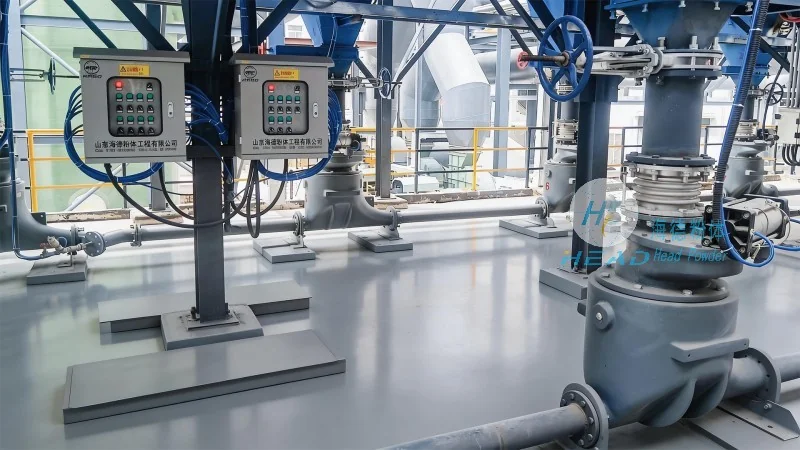
Applications and Industries Utilizing Plug Flow Systems
Plug flow pneumatic conveying systems are employed in a wide array of applications across various industries. In the food and beverage sector, they are commonly used for transporting ingredients like flour, sugar, and spices, ensuring that the materials remain fresh and free from contamination. The pharmaceutical industry relies on these systems for conveying active pharmaceutical ingredients (APIs) and other sensitive compounds, where maintaining product integrity and preventing cross-contamination is paramount.
In the chemical and petrochemical industries, plug flow conveyors are used to transport powders, granules, and bulk chemicals. The system's ability to handle abrasive materials and maintain product purity makes it ideal for processes involving corrosive or hazardous substances. Additionally, in the agricultural sector, plug flow systems are utilized for transporting grain, feed, and other agricultural products, facilitating efficient storage and distribution.
About Shandong HeadPowder Engineering Co., Ltd.
Shandong HeadPowder Engineering Co., Ltd., operating under the brand name HeadPowder, is a leading manufacturer and supplier of advanced pneumatic conveying solutions. With a strong commitment to innovation and quality, the company specializes in designing and manufacturing plug flow and other types of pneumatic conveying systems tailored to the specific needs of its clients. HeadPowder's expertise lies in providing customized solutions that enhance operational efficiency, reduce costs, and ensure product integrity for a diverse range of industrial applications.

HeadPowder is headquartered in Shandong, China, and serves clients globally with a focus on delivering reliable and efficient material handling solutions. The company's team of engineers and technicians leverages years of experience and cutting-edge technology to develop systems that meet the highest standards of performance and safety. By combining expertise in material science, fluid dynamics, and mechanical engineering, HeadPowder ensures that its products are not only effective but also durable and easy to maintain.
HeadPowder's plug flow pneumatic conveying systems are designed to meet the stringent requirements of modern industrial operations. The company's commitment to customer satisfaction and technical excellence has established it as a trusted partner in the field of material handling. Whether for new installations or system upgrades, HeadPowder provides comprehensive support, from initial consultation and system design to installation and after-sales service.