

[W]Working Principle and Characteristics of Coal Fly Ash Material Handling
Coal fly ash, a byproduct of coal combustion in thermal power plants, is a fine particulate material that requires efficient handling and transportation for various industrial applications. The material handling process for coal fly ash involves several key components and mechanisms designed to ensure safe, reliable, and efficient movement of the material. This article explores the working principle and characteristics of coal fly ash material handling systems, providing insights into the technology and operational aspects of such systems.

Company Overview
HeadPowder, or Shandong HeadPowder Engineering Co., Ltd., is a professional provider of material handling solutions specializing in the processing and transportation of industrial powders, including coal fly ash. With operations based in Shandong, China, the company leverages advanced engineering and technical expertise to deliver customized material handling systems tailored to the unique requirements of coal fly ash applications. HeadPowder's commitment to quality and innovation has established it as a trusted partner in the field of bulk material handling for coal fly ash and similar powders.
Working Principle of Coal Fly Ash Material Handling
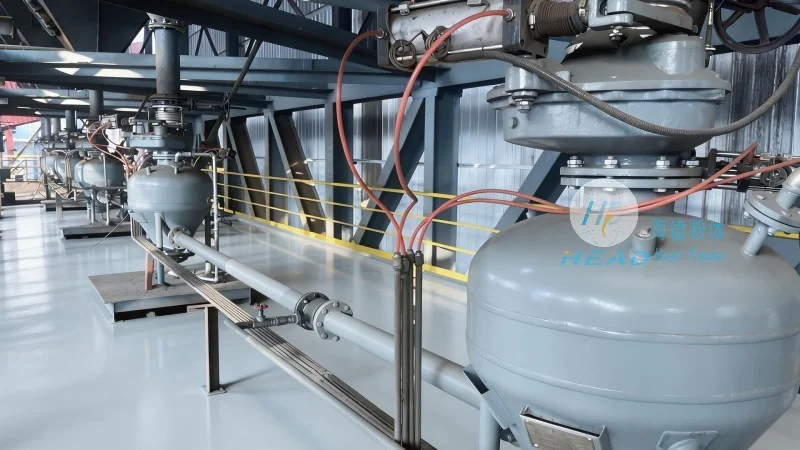
The working principle of coal fly ash material handling systems typically involves a combination of feeding, conveying, and processing mechanisms. The process begins with the collection of coal fly ash from the boiler or storage silos. The material is then fed into a hopper or feeder, which regulates the flow rate to the conveyor system. Common conveyor types used in coal fly ash handling include belt conveyors, screw conveyors, and pneumatic conveying systems. Belt conveyors are widely used for horizontal and inclined transport due to their high capacity and durability, while screw conveyors are suitable for vertical or inclined transport with lower capacity. Pneumatic conveying systems utilize air pressure to transport the fine ash particles through pipelines, offering flexibility in layout and reduced risk of dust exposure. The system may also include components such as rotary valves, clamps, and dust collection units to control material flow and minimize environmental impact.
Key Characteristics of Coal Fly Ash Material Handling
Coal fly ash material handling systems exhibit several distinct characteristics that make them suitable for industrial applications. One primary characteristic is the fine particle size of coal fly ash, which requires specialized equipment to prevent caking, agglomeration, and blockages in the conveying system. The systems are designed with smooth surfaces and low friction components to minimize material buildup and ensure consistent flow. Another characteristic is the need for dust control measures, as coal fly ash is a fine particulate that can cause respiratory issues and environmental contamination if not properly contained. Advanced dust collection systems, such as bag filters or electrostatic precipitators, are integrated into the handling process to capture and recycle the ash particles, reducing emissions and maintaining compliance with environmental regulations. Additionally, the systems are built to withstand the abrasive nature of coal fly ash, which can cause wear on equipment components over time. Materials like stainless steel or high-grade alloys are often used for conveyor belts, hoppers, and other parts to extend the service life of the equipment.

Operational Efficiency and Reliability
The efficiency and reliability of coal fly ash material handling systems are critical factors in industrial operations. The systems are engineered to handle high volumes of material with minimal downtime, ensuring continuous production in power plants and other facilities. Automated control systems, including sensors and variable frequency drives, allow for real-time monitoring and adjustment of the conveying process, optimizing flow rates and energy consumption. The design of the system also considers factors such as space constraints and integration with existing infrastructure, enabling seamless operation within the plant layout. By reducing material loss and improving handling efficiency, these systems contribute to cost savings and operational sustainability for industrial clients.
Environmental and Safety Considerations
Coal fly ash material handling systems are designed with stringent environmental and safety considerations to protect both personnel and the environment. Dust containment measures, including sealed hoppers, enclosed conveyor systems, and efficient dust collection units, minimize the release of fine particles into the air. The systems may also incorporate explosion-proof components to prevent the risk of dust explosions, which is a critical safety concern in coal fly ash handling. Regular maintenance and inspection protocols are implemented to ensure the equipment operates within safe parameters and to identify potential issues before they lead to failures. The use of advanced materials and engineering solutions further enhances the safety and environmental performance of the systems, aligning with global standards for industrial material handling.