

Working Principle and Features of Pharmaceutical Powder Handling Systems
Pharmaceutical powder handling systems are critical components in the manufacturing and processing of medicinal products. These systems are designed to safely and efficiently transport, store, and manage powders used in pharmaceutical applications. Understanding the working principle and key features of such systems is essential for ensuring product quality, maintaining compliance with regulatory standards, and optimizing operational efficiency in pharmaceutical production facilities.

Introduction to Pharmaceutical Powder Handling Systems
Pharmaceutical powder handling systems are specialized equipment used to manage powders throughout the pharmaceutical manufacturing process. These systems are engineered to handle powders from raw material reception to final product packaging, ensuring that the powders remain free-flowing, homogeneous, and free from contamination. The systems are typically integrated into larger production lines and are designed to meet stringent quality control requirements, including those set by regulatory bodies like the FDA and EMA.
Working Principle of Pharmaceutical Powder Handling Systems
The working principle of pharmaceutical powder handling systems involves several key steps to ensure the safe and efficient movement of powders. The process typically begins with the reception of raw powder materials, which are then stored in appropriate containers, such as silos or hoppers. From there, the powders are transferred through a network of pipes, valves, and conveyors to the processing equipment. The systems often incorporate pneumatic or mechanical conveying methods to move powders, with the choice of method depending on the properties of the powder, such as particle size, moisture content, and flowability.
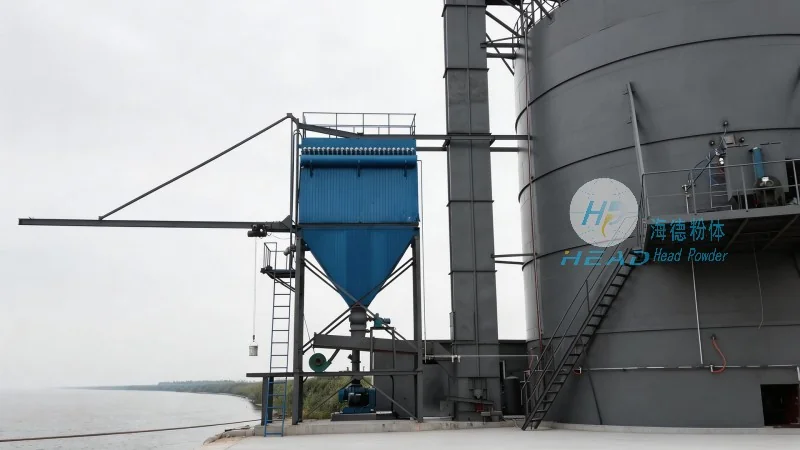
One common method is pneumatic conveying, which uses compressed air to transport powders through a pipeline. This method is particularly effective for powders that are difficult to handle mechanically, as it minimizes particle degradation and ensures a consistent flow rate. The system includes components like airlocks, rotary valves, and dust collectors to control the flow and prevent contamination. Another method is mechanical conveying, which uses screws, belts, or buckets to move powders. This method is often used for bulk handling and can be more cost-effective for certain applications.
Key Features of Pharmaceutical Powder Handling Systems
Pharmaceutical powder handling systems are characterized by several key features that make them suitable for pharmaceutical applications. These features include high levels of hygiene and cleanliness, as the systems are designed to prevent cross-contamination and ensure that the powders remain sterile. The equipment is typically made from materials that are resistant to corrosion and easy to clean, such as stainless steel. Additionally, the systems are equipped with advanced control systems that allow for precise monitoring and adjustment of the powder flow, ensuring consistent product quality.

Another important feature is the ability to handle a wide range of powder properties. Pharmaceutical powders can vary significantly in terms of particle size, density, and flowability, and the systems are designed to accommodate these variations. This flexibility allows manufacturers to process different types of powders without significant modifications to the system. The systems also include safety features, such as emergency shut-off valves and pressure relief devices, to prevent accidents and ensure the safety of operators.
Applications and Benefits of Pharmaceutical Powder Handling Systems
Pharmaceutical powder handling systems are used in a variety of applications within the pharmaceutical industry, including the production of tablets, capsules, and powders. These systems are essential for ensuring that the powders used in these products are of high quality and free from defects. The benefits of using these systems include improved product consistency, reduced waste, and increased operational efficiency. By using a well-designed powder handling system, pharmaceutical manufacturers can ensure that their products meet the highest standards of quality and safety.

Furthermore, the systems help to minimize the risk of contamination, which is a critical concern in pharmaceutical manufacturing. By controlling the flow of powders and preventing dust accumulation, the systems help to maintain a clean and safe working environment. This is particularly important in facilities that handle potent or hazardous powders, as any contamination could have serious health consequences.
Conclusion
In conclusion, pharmaceutical powder handling systems are essential equipment for the pharmaceutical industry. These systems are designed to safely and efficiently handle powders, ensuring that the products meet the highest standards of quality and safety. The working principle and key features of these systems are critical to their effectiveness, and manufacturers must choose the right system for their specific needs. By understanding the principles and features of pharmaceutical powder handling systems, pharmaceutical manufacturers can optimize their production processes and ensure the success of their products.