

Working Principle and Features of Barite Powder Pneumatic Conveying System Equipment
Barite powder, a crucial industrial material widely used in oil drilling, metallurgy, and other sectors, requires efficient and reliable transportation methods. The pneumatic conveying system, as a key equipment for handling such powders, offers a solution that combines efficiency with safety. This article explores the working principle and distinctive features of barite powder pneumatic conveying systems, providing insights into how these systems operate and what makes them effective in industrial applications.
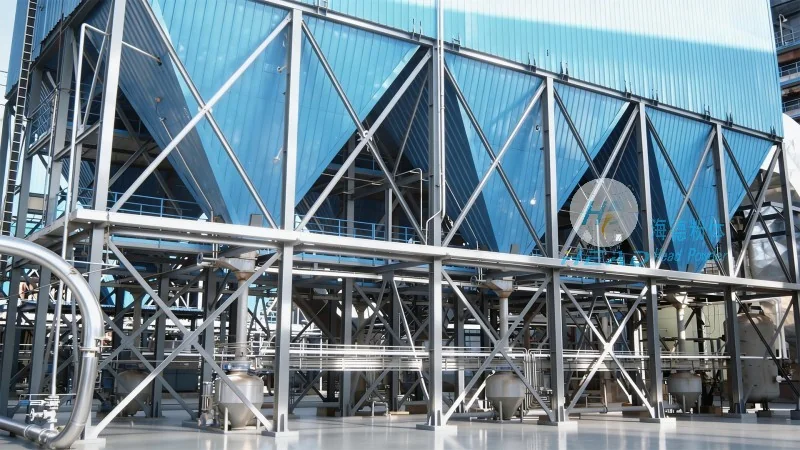
Working Principle of Barite Powder Pneumatic Conveying Systems
The core of a barite powder pneumatic conveying system lies in its ability to transport particulate materials like barite powder through a pipeline using air or gas as the conveying medium. The system typically operates on the principle of creating a pressure differential or using vacuum to move the powder. In a positive pressure system, a blower or compressor generates high-pressure air that forces the barite powder through the pipeline. The powder is mixed with the air stream, forming a dense phase or dilute phase flow, depending on the system design. The negative pressure system, on the other hand, uses a vacuum pump to draw the powder from the source and transport it to the destination. The process involves several key components, including a hopper for material storage, a feeder to control the flow rate, a conveying line, and a receiver for the discharged material. The air flow rate and pressure are carefully regulated to ensure optimal transport of the barite powder without causing blockages or degradation of the material.

Key Features of Barite Powder Pneumatic Conveying Systems
Several distinctive features make barite powder pneumatic conveying systems stand out in industrial applications. Firstly, these systems offer a dust-free operation, which is critical for maintaining a clean and safe working environment, especially in industries where air quality is a concern. Unlike traditional bulk handling methods that may generate significant dust, pneumatic conveying systems minimize particulate emissions, reducing the risk of respiratory issues and contamination. Secondly, the systems provide high transport efficiency, capable of moving large volumes of barite powder over considerable distances with minimal energy consumption compared to other methods like truck or belt conveyors. This efficiency is particularly valuable in large-scale industrial operations where material handling costs can significantly impact overall production costs. Thirdly, the systems are highly flexible in terms of layout and integration. They can be easily adapted to existing industrial setups, allowing for modular expansion or reconfiguration as production needs change. Additionally, the equipment is designed for durability and low maintenance, with components such as wear-resistant pipelines and efficient air filtration systems that extend the operational life of the system. The safety features, including pressure relief valves and emergency shut-off mechanisms, further enhance the reliability and safety of the operation.
Application Scenarios and Benefits
Barite powder pneumatic conveying systems are widely applied in various industries, including oil and gas exploration, where barite is used as a weighting agent to increase the density of drilling fluids. In metallurgy, the material is used as a flux or as a component in the production of certain alloys. The systems are also utilized in the chemical and pharmaceutical industries for handling fine powders. The benefits of using such systems in these applications are multifaceted. The ability to handle fine powders without segregation or degradation ensures that the quality of the barite powder remains consistent throughout the transportation process. The reduced need for manual handling minimizes labor costs and improves workplace safety. Furthermore, the systems contribute to environmental sustainability by reducing the environmental impact of material handling through lower dust emissions and energy efficiency.

Conclusion
In conclusion, barite powder pneumatic conveying systems represent a sophisticated and efficient solution for the transportation of fine industrial powders. The working principle, which relies on air or gas to move the material through a pipeline, combined with the system's distinctive features such as dust-free operation, high efficiency, and flexibility, makes it an ideal choice for various industrial applications. As a leading provider in this field, Shandong HeadPowder Engineering Co., Ltd., based in China, specializes in designing and manufacturing such systems tailored to meet the specific needs of different industries. With a focus on durability, safety, and performance, these systems offer a reliable and cost-effective solution for barite powder handling, contributing to improved operational efficiency and environmental compliance in industrial settings.