

How to Design a Reasonable Small Material Pneumatic Conveying System Plan?
When it comes to the efficient and reliable transportation of small materials, the design of a pneumatic conveying system plays a crucial role. A well-designed system not only ensures smooth material flow but also minimizes operational costs and maintenance issues. This article will guide you through the key considerations and steps involved in creating a reasonable plan for a small material pneumatic conveying system, with insights from Shandong HeadPowder Engineering Co., Ltd., a leading company in the field.

Understanding the Core Principles of Small Material Pneumatic Conveying
Before diving into the design process, it's essential to grasp the fundamental principles of pneumatic conveying. This technology involves transporting bulk materials through a pipeline using air or other gases as the conveying medium. For small materials, the system typically operates under low to moderate pressure, making it suitable for a wide range of applications, including food processing, pharmaceuticals, and chemical industries. The choice of system type—such as dilute-phase or dense-phase—depends on the material's properties, such as particle size, moisture content, and abrasiveness.
Key Factors to Consider in System Design
Several critical factors must be evaluated when designing a pneumatic conveying system for small materials. First, the material characteristics are paramount. These include particle size distribution, density, flowability, and any potential hazards like dust explosion risks. Accurate characterization of the material is essential to select the appropriate conveying velocity and pressure. Second, the system layout and pipeline configuration are vital. The distance between the source and destination, number of bends, and elevation changes all impact the system's performance. Properly sizing the pipeline diameter and selecting the right type of elbows and fittings are crucial to maintain efficient airflow and prevent material buildup.

Calculating Conveying Parameters and Equipment Selection
Once the material and layout are determined, the next step is to calculate the necessary conveying parameters. This includes determining the required air velocity, pressure drop, and airflow rate. The air velocity must be high enough to keep the material suspended but not so high as to cause excessive wear on the equipment. The pressure drop across the system is another critical factor, as it directly affects the energy consumption and the overall system efficiency. Shandong HeadPowder Engineering Co., Ltd. specializes in providing customized solutions, using advanced software and engineering expertise to perform these calculations accurately.
Equipment Selection and System Components
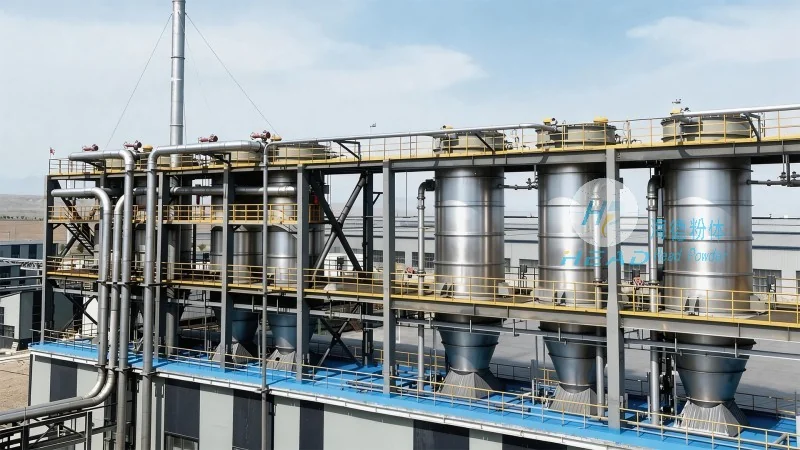
The selection of equipment components is a critical step in ensuring the system's reliability and longevity. Key components include the air compressor, material feeders, cyclone separators, and dust collectors. The air compressor must be capable of delivering the required pressure and airflow at a consistent rate. Material feeders, such as rotary valves or screw feeders, ensure a steady and controlled feed of the small particles into the pipeline. Cyclone separators are used to separate the conveyed material from the air stream, while dust collectors help in maintaining air quality and complying with environmental regulations. Shandong HeadPowder Engineering Co., Ltd. offers a wide range of high-quality components, tailored to meet the specific needs of each project.
Integration and Testing for Optimal Performance
After selecting and installing all components, the system must be properly integrated and tested to ensure optimal performance. This involves commissioning the system, checking for leaks, and verifying that the conveying parameters meet the design specifications. Testing may include running the system with the actual material to assess its flow characteristics and identify any potential issues. Shandong HeadPowder Engineering Co., Ltd. provides comprehensive commissioning and testing services to ensure that the system operates efficiently and reliably from the start.

Maintenance and Long-Term Sustainability
Proper maintenance is essential to keep the pneumatic conveying system running smoothly over its lifespan. Regular inspections, cleaning of components, and replacement of worn parts are necessary to prevent system failures and maintain efficiency. Shandong HeadPowder Engineering Co., Ltd. offers maintenance services and spare parts to support its clients, ensuring that the system remains in optimal condition for years to come.
By following these steps and leveraging the expertise of Shandong HeadPowder Engineering Co., Ltd., you can design a reasonable and effective small material pneumatic conveying system that meets your operational needs while minimizing costs and maximizing efficiency.