

Working Principle and Features of Buckwheat Hull Pneumatic Conveying Equipment
For those in the agricultural processing or food production industry, the efficient handling of bulk materials like buckwheat hulls is a critical concern. The buckwheat hull pneumatic conveying equipment from Shandong HeadPowder Engineering Co., Ltd. (commonly known as HeadPowder) offers a reliable solution to this challenge. This equipment is designed to transport buckwheat hulls with precision and efficiency, ensuring minimal loss and optimal performance in various processing stages.
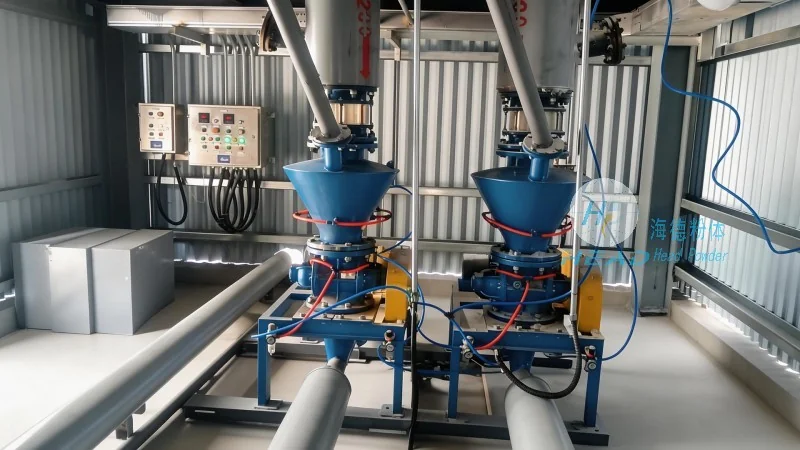
Working Principle of Buckwheat Hull Pneumatic Conveying Equipment
The core of the buckwheat hull pneumatic conveying system lies in its pneumatic mechanism, which utilizes air to move bulk materials through a network of pipes. There are two primary types of pneumatic conveying systems: positive pressure and negative pressure. The buckwheat hull equipment typically employs a positive pressure system, where compressed air is introduced into the material hopper, creating a pressure differential that propels the hulls through the pipeline. The system includes a hopper for material storage, a rotary valve for controlled discharge, a blower or air compressor to generate the necessary air pressure, and a pipeline network that directs the hulls to the destination silo or processing unit. The design ensures that the hulls are conveyed without direct contact with mechanical parts, reducing wear and maintaining the quality of the material. The air flow is carefully regulated to maintain consistent velocity, preventing material degradation or blockages. The system also incorporates filters and separators to remove any fine particles or dust from the air, ensuring a clean and efficient operation. The entire process is automated, with sensors and controls monitoring the pressure, flow rate, and material level to maintain optimal performance. This mechanism allows for a continuous, low-maintenance operation that is ideal for high-volume buckwheat hull processing.

Key Features of the Buckwheat Hull Pneumatic Conveying Equipment
The buckwheat hull pneumatic conveying equipment from HeadPowder is distinguished by several key features that enhance its performance and reliability. First, the equipment is designed with a robust and durable construction, capable of handling the abrasive nature of buckwheat hulls without premature wear. The materials used in the construction, such as high-quality stainless steel and corrosion-resistant alloys, ensure long-term durability and minimal maintenance. Second, the system offers high efficiency in material transport, with minimal material loss and low energy consumption. The positive pressure system provides consistent air pressure, ensuring that the hulls are conveyed at a uniform speed, reducing the risk of clogging or uneven flow. Third, the equipment is equipped with advanced control systems that allow for precise regulation of the conveying process. These systems include pressure sensors, flow meters, and level indicators, which provide real-time data on the operation, enabling operators to adjust the settings as needed to maintain optimal performance. The control panel is user-friendly, with intuitive interfaces that simplify operation and reduce the learning curve for new users. Fourth, the system is designed for easy integration into existing processing lines, with modular components that can be easily installed and configured. This flexibility allows for customization to meet specific production requirements, such as varying throughput rates or material handling capacities. Additionally, the equipment is equipped with safety features, including overload protection and emergency shut-off valves, to prevent accidents and ensure operator safety. The combination of these features makes the buckwheat hull pneumatic conveying equipment a versatile and reliable solution for buckwheat hull processing, suitable for both small-scale and large-scale operations.

Application and Benefits in Buckwheat Processing
The buckwheat hull pneumatic conveying equipment is widely used in the buckwheat processing industry, particularly in the stages of hull separation, storage, and transportation. The equipment is particularly beneficial in large-scale processing facilities where high volumes of buckwheat hulls need to be handled efficiently. By using pneumatic conveying, the process eliminates the need for manual handling or mechanical conveyors, reducing labor costs and improving safety. The equipment also helps to maintain the quality of the buckwheat hulls by minimizing physical damage and contamination. The consistent flow of hulls ensures that the downstream processing stages, such as milling or packaging, receive a steady supply of material, preventing bottlenecks and improving overall production efficiency. The system's ability to handle abrasive materials without wear also reduces maintenance costs, as the components are less likely to require replacement. Additionally, the equipment's energy efficiency contributes to lower operational costs, making it a cost-effective solution for buckwheat hull processing. The use of advanced control systems allows for precise monitoring and adjustment, ensuring that the equipment operates at peak performance under varying conditions. This adaptability makes the buckwheat hull pneumatic conveying equipment a valuable asset for any buckwheat processing facility, helping to streamline operations and improve overall productivity.