

[Glutinous Rice Material Pneumatic Conveying Machine: What It Is and Its Design Principles]
For food processing facilities dealing with glutinous rice, selecting the right equipment for material handling is crucial. A specialized pneumatic conveying machine designed specifically for handling this type of material offers significant advantages in terms of efficiency, hygiene, and operational flexibility. This article explores what a glutinous rice material pneumatic conveying machine is and delves into its fundamental design principles, providing insights into how such equipment can enhance production workflows in rice processing operations.

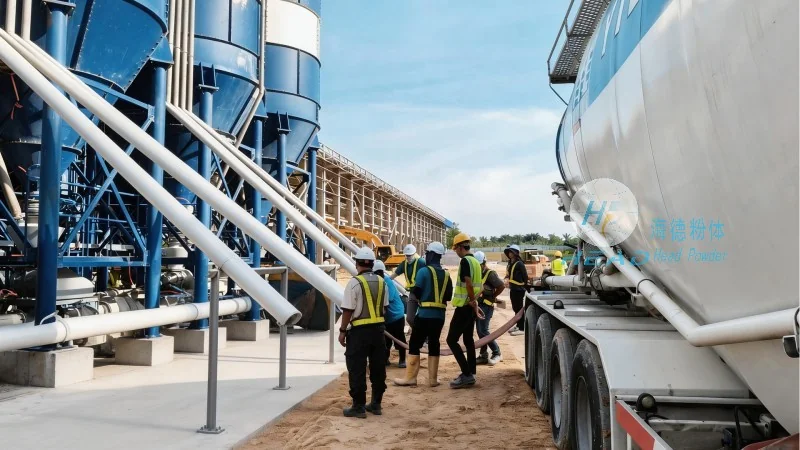

Understanding the Glutinous Rice Material Pneumatic Conveying Machine
A glutinous rice material pneumatic conveying machine is a system engineered to transport glutinous rice and related rice products through a sealed pipeline using air or gas as the conveying medium. Unlike traditional mechanical conveyors, which rely on physical components like belts or buckets to move materials, pneumatic conveyors utilize the force of air to lift, transport, and deposit the material. This method is particularly well-suited for handling delicate or sticky materials like glutinous rice, which can be prone to clumping or damage if handled with mechanical contact. The system ensures that the rice remains in a dry, clean state throughout the conveying process, reducing the risk of contamination and maintaining the quality of the final product.
Key Components and Working Principle
The core components of a glutinous rice pneumatic conveying system typically include a hopper for material storage, a feeder to control the flow of rice into the system, a blower or fan to generate the air pressure, a pipeline network to guide the material, a separator to separate the rice from the air, and a collection bin for the delivered material. There are two primary types of pneumatic conveying systems: suction (or negative pressure) and pressure (or positive pressure) systems. Suction systems are commonly used for short to medium distances (up to 50 meters) and rely on a vacuum created by the blower to draw material into the pipeline. Pressure systems, on the other hand, use compressed air to push material through the pipeline and are suitable for longer distances (up to several hundred meters) or when the material needs to be transported against gravity. For glutinous rice, a combination of both may be used in complex systems to optimize material flow and minimize energy consumption. The hopper is designed with a sloped bottom to prevent material bridging, while the feeder (often a rotary valve or screw feeder) ensures a consistent and controlled flow of rice into the pipeline. The blower, typically a centrifugal or regenerative type, provides the necessary air pressure (usually 0.5-1.5 bar) to move the material. The pipeline network is made of smooth, corrosion-resistant materials like stainless steel or food-grade PVC to prevent material sticking and ensure easy cleaning. The separator, such as a cyclone or bag filter, uses centrifugal force to separate the rice from the air, with the rice collected in a bin and the air either recirculated or discharged through a filter.