

What is an Electric Arc Furnace Slag Purification Ash Material Pneumatic Conveying Line? What are it
Electric arc furnace slag purification ash material pneumatic conveying lines are specialized industrial systems designed to handle and transport the ash and slag generated during the electric arc furnace (EAF) steelmaking process. These systems play a crucial role in the efficient management of byproducts from the steel production industry, ensuring safe and effective material handling while adhering to environmental and operational standards.
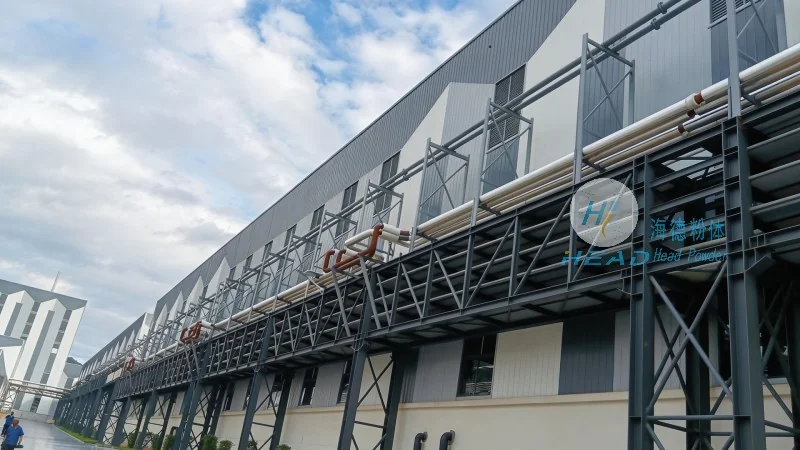
HeadPowder, a leading engineering company based in Shandong, China, specializes in the design, manufacturing, and installation of such pneumatic conveying systems. With years of experience in the field, HeadPowder has developed advanced solutions tailored to the unique challenges of slag and ash material handling in steel mills.
Key Design Principles of the Pneumatic Conveying Line
The design of an electric arc furnace slag purification ash material pneumatic conveying line is based on several critical principles to ensure optimal performance, reliability, and safety. These principles include the selection of appropriate conveying media (air or gas), the determination of the most suitable conveying velocity and pressure, and the integration of components that can withstand the abrasive and corrosive nature of the ash and slag materials.
One of the primary design considerations is the material's particle size and density. Electric arc furnace slag typically consists of fine particles with varying sizes, which can affect the flow characteristics and the required air velocity for effective transport. Engineers at HeadPowder carefully analyze the material properties to determine the optimal air volume and pressure needed to move the material through the pipeline without causing blockages or excessive wear on components.
Another crucial aspect is the system's layout and configuration. The conveying line is designed to follow the natural flow of the steelmaking process, often integrating with existing infrastructure in the steel mill. This includes the placement of feed hoppers, conveying ducts, and discharge points that are strategically located to minimize material handling distances and reduce energy consumption. The design also incorporates features such as cyclone separators and dust collectors to ensure that the material is conveyed efficiently while maintaining air quality and preventing contamination.

Material handling equipment, such as rotary valves and feeders, are also integral to the system's design. These components are engineered to handle the abrasive nature of the ash and slag, ensuring consistent material flow and preventing system downtime. The selection of high-quality materials for the components, such as stainless steel or specialized alloys, is essential to withstand the corrosive effects of the materials and extend the system's service life.
Control systems are another key element in the design, providing real-time monitoring and automation of the conveying process. This allows operators to adjust parameters such as air pressure and flow rate based on the material conditions, ensuring efficient operation and minimizing energy waste. The integration of sensors and control panels enables proactive maintenance and troubleshooting, enhancing the overall reliability of the system.
Advantages of the Electric Arc Furnace Slag Purification Ash Material Pneumatic Conveying Line
Implementing a pneumatic conveying line for electric arc furnace slag and ash offers several advantages over traditional material handling methods. One of the most significant benefits is the ability to transport materials over long distances without the need for multiple transfer points or manual handling. This reduces labor costs and improves safety by minimizing the risk of accidents associated with manual material handling.
Another advantage is the system's ability to handle a wide range of material types and particle sizes. The flexible design allows for adaptation to changing material conditions, making it suitable for various steel production processes. Additionally, the system can be integrated with other industrial processes, such as waste treatment or recycling, enabling a more comprehensive approach to material management.
The pneumatic conveying line also contributes to environmental sustainability by reducing dust emissions and improving air quality. By efficiently transporting the ash and slag to designated disposal or recycling facilities, the system helps minimize the environmental impact of steel production. This aligns with the industry's growing emphasis on sustainable practices and regulatory compliance.

Furthermore, the system's automation and control features enhance operational efficiency and reduce maintenance costs. The real-time monitoring and adjustment capabilities allow for optimal performance, while the use of durable components minimizes the need for frequent repairs or replacements. This results in lower long-term operational costs and increased productivity for steel mills.
Applications and Industries
The electric arc furnace slag purification ash material pneumatic conveying line is widely used in the steel industry, particularly in electric arc furnace steelmaking plants. These systems are essential for managing the byproducts of the steelmaking process, which include slag, ash, and other waste materials. The line is designed to handle these materials from the slagging stage to their final disposal or recycling, ensuring a seamless flow of material throughout the production cycle.
HeadPowder's systems are used in various steel mills across China, including those involved in the production of carbon steel, stainless steel, and specialty steels. The company's expertise in material handling and engineering allows it to provide customized solutions that meet the specific requirements of each client, ensuring optimal performance and reliability.
In addition to steel production, the pneumatic conveying line can be adapted for use in other industries that generate similar materials, such as foundries and metal recycling facilities. The versatility of the system makes it a valuable asset for any operation that requires efficient and safe material transport.