

What is a Fly Ash Material Pneumatic Conveying Line? What Are Its Design Principles?
A fly ash material pneumatic conveying line is a specialized system engineered to transport fly ash, a byproduct of coal combustion, from its source to a designated destination. This technology is crucial in industrial settings where efficient and reliable handling of fine particulate materials is essential. The system typically comprises a series of components, including a material feeder, a conveying pipeline, a control unit, and a discharge device, all working in tandem to ensure seamless material movement. The primary advantage of such a line lies in its ability to handle fly ash without the need for mechanical components like belts or buckets, which can be prone to wear and tear in high-abrasion environments.

Key Components of a Pneumatic Conveying System for Fly Ash
The design of a fly ash material pneumatic conveying line relies on several critical components that ensure optimal performance. The material feeder is responsible for feeding the fly ash into the system at a controlled rate, preventing blockages and maintaining consistent flow. This component is often equipped with features such as a rotary valve or a screw feeder to handle the fine, powdery nature of fly ash. The conveying pipeline, usually made of stainless steel or other corrosion-resistant materials, is designed to withstand the abrasive properties of fly ash while minimizing pressure drop. The pipeline may include bends, expansions, and contractions, which are carefully engineered to maintain the material's velocity and prevent deposition. A control unit, often integrated with sensors and valves, monitors the system's pressure, flow rate, and temperature, allowing for real-time adjustments to optimize performance. The discharge device, located at the end of the pipeline, safely releases the fly ash into a storage silo or processing unit, ensuring minimal dust emission and compliance with environmental regulations.

Design Principles for Efficient Fly Ash Conveying
The design principles of a fly ash material pneumatic conveying line are centered on maximizing efficiency, minimizing energy consumption, and ensuring durability. One of the fundamental principles is maintaining a sufficient conveying velocity to prevent material deposition. The velocity is typically determined by the particle size, density, and flow characteristics of the fly ash, and is often calculated using empirical formulas or computational fluid dynamics (CFD) simulations. Another key principle is the use of positive pressure or negative pressure systems. Positive pressure systems, where air is blown into the pipeline, are common for short to medium-distance conveying, as they can handle higher material loads and are less prone to blockages. Negative pressure systems, where air is drawn from the pipeline, are suitable for longer distances or when the material needs to be conveyed from a higher to a lower elevation. The design also considers the material's moisture content and particle size distribution, as these factors can significantly impact the system's performance. For instance, wetter or coarser fly ash may require higher conveying velocities or additional drying steps to ensure smooth transport. Additionally, the system is designed to minimize pressure losses, which are caused by bends, fittings, and changes in pipeline diameter. By optimizing the pipeline layout and using smooth, low-friction materials, the system can operate with lower energy consumption and reduced wear on components.

Applications and Benefits of Fly Ash Pneumatic Conveying Lines
Fly ash material pneumatic conveying lines are widely used in various industrial applications, including power plants, cement manufacturing, and construction material production. In power plants, these systems are used to transport fly ash from the boiler to storage silos or to other processing units, where it may be used as a raw material for cement or other building materials. The benefits of using a pneumatic conveying line in these applications include reduced labor costs, as the system can operate continuously without the need for manual handling, and improved safety, as it eliminates the need for workers to handle the fine, dusty material. Additionally, the system can handle large volumes of fly ash efficiently, which is crucial for power plants that generate significant amounts of this byproduct. In cement manufacturing, fly ash is often used as a supplementary cementitious material (SCM), and the pneumatic conveying line ensures that it is delivered to the cement mill or storage area in a controlled manner. This not only improves the quality of the cement but also reduces the environmental impact by utilizing a byproduct that would otherwise be disposed of as waste. The benefits of using a fly ash material pneumatic conveying line extend beyond efficiency and safety. The system can also help reduce the environmental impact of fly ash disposal by minimizing dust emissions and ensuring that the material is handled in a controlled manner. This is particularly important in regions with strict environmental regulations, where compliance is essential for industrial operations. Furthermore, the system can be customized to meet the specific needs of different applications, such as varying material volumes, distances, or particle sizes, making it a versatile solution for a wide range of industrial settings.
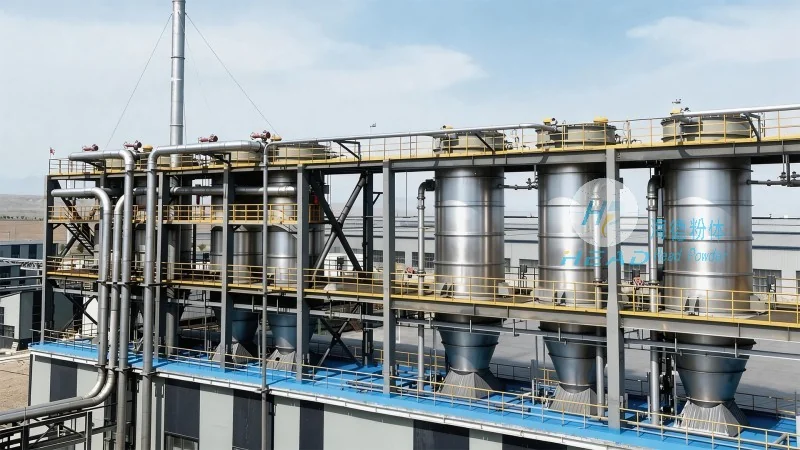
HeadPowder Engineering: Experts in Fly Ash Conveying Solutions
Shandong HeadPowder Engineering Co., Ltd., a leading provider of engineering solutions for material handling, specializes in designing and manufacturing high-quality fly ash material pneumatic conveying lines. With years of experience in the industry, HeadPowder has developed a deep understanding of the unique challenges associated with handling fly ash and has developed innovative solutions to address them. The company's team of engineers and technicians work closely with clients to understand their specific requirements and design a system that meets their needs. The company's products are manufactured using high-quality materials and advanced technology, ensuring durability and reliability. HeadPowder's fly ash material pneumatic conveying lines are designed to be energy-efficient, with features such as optimized pipeline layouts and low-friction materials that reduce energy consumption. The company also provides comprehensive after-sales support, including maintenance and repair services, to ensure that the system operates at peak performance throughout its lifespan. HeadPowder's commitment to quality and customer satisfaction has made it a trusted partner for many industrial clients, and the company continues to innovate and improve its products to meet the evolving needs of the industry.