

What is the Calcium Lime Material Pneumatic Conveying Equipment? And What Are Its Design Principles?
For industrial applications involving the handling of calcium lime material, efficient and reliable material transport is crucial. This is where specialized pneumatic conveying equipment comes into play, offering a solution that ensures safe, effective, and continuous material movement. The following article explores the concept of calcium lime material pneumatic conveying equipment and delves into its underlying design principles, providing insights into how such systems are engineered for optimal performance.

Understanding Calcium Lime Material Pneumatic Conveying Equipment
Calcium lime material, often used in various industrial processes such as chemical manufacturing, construction material production, and environmental remediation, presents unique challenges when it comes to material handling. Traditional methods like belt conveyors or bucket elevators may struggle with the material's properties, including its density, flowability, and potential for dust generation. Pneumatic conveying equipment, on the other hand, offers a flexible and efficient solution by utilizing air to transport the material through a pipeline system. This technology is particularly well-suited for calcium lime material due to its ability to handle fine powders and bulk materials with minimal disruption and contamination.
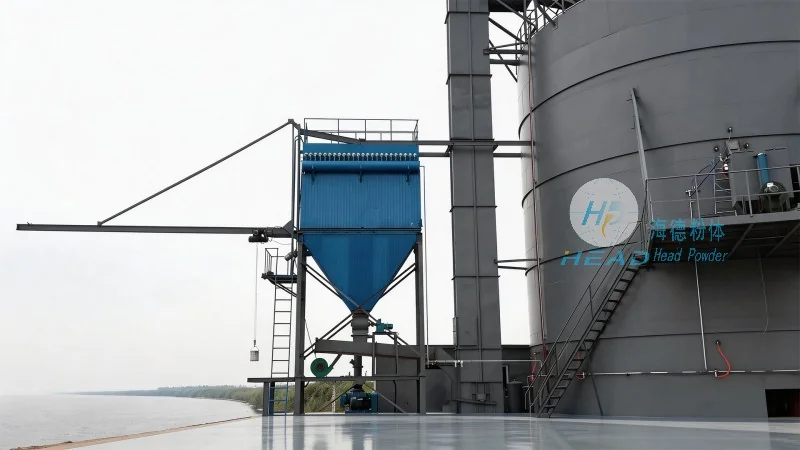
The Core Components of Pneumatic Conveying Systems
At the heart of any pneumatic conveying system for calcium lime material lies a series of interconnected components that work in harmony to achieve material transport. The primary components typically include a material feed hopper, a conveying line (either positive or negative pressure), a separator or filter system, and a discharge outlet. The feed hopper is designed to store and control the flow of calcium lime material, ensuring a consistent feed rate to the conveying line. The conveying line, which can be either a positive pressure system (where air is blown into the line to push the material) or a negative pressure system (where air is drawn out to pull the material), is constructed from materials resistant to corrosion and abrasion, as calcium lime material can be abrasive and corrosive over time. The separator or filter system is critical for removing any air from the material stream and preventing dust from escaping into the environment, while the discharge outlet allows the material to be deposited at the desired location. Each component is carefully selected and engineered to withstand the specific characteristics of calcium lime material, ensuring durability and long-term performance.
Design Principles for Optimal Performance
The design of calcium lime material pneumatic conveying equipment is guided by several key principles aimed at maximizing efficiency, minimizing operational costs, and ensuring safety. One of the primary design considerations is the material's flow properties. Engineers must analyze the material's bulk density, angle of repose, and compressibility to determine the appropriate conveying velocity and pressure. For calcium lime material, a conveying velocity that is sufficient to prevent material settling or blockage in the pipeline is essential. The design also takes into account the material's potential for dust generation, as proper dust control measures are integrated into the system to comply with environmental regulations and maintain workplace safety. Additionally, the system is designed to minimize energy consumption by optimizing the air flow rate and pressure, reducing operational costs over the long term. The use of high-quality materials for the conveying line and components is another critical design principle, as calcium lime material can be abrasive and corrosive, leading to premature wear and failure if not properly addressed. By adhering to these design principles, the pneumatic conveying equipment can deliver reliable and efficient material transport for calcium lime material applications.

Applications and Benefits in Industrial Settings
The use of calcium lime material pneumatic conveying equipment offers numerous benefits across various industrial sectors. In chemical manufacturing, for example, such systems are used to transport calcium lime material to reactors or processing units, ensuring a consistent feed rate and reducing downtime. In construction material production, the equipment is employed to move raw materials to mixing and processing equipment, improving production efficiency. Environmental remediation projects also benefit from these systems, as they allow for the safe and efficient transport of calcium lime material used in soil stabilization or remediation processes. The benefits of pneumatic conveying for calcium lime material include reduced labor costs due to automated material handling, lower maintenance requirements compared to traditional equipment, and improved safety by minimizing manual handling of the material. Furthermore, the systems are designed to be flexible, allowing for easy integration into existing production lines and adaptability to changing production needs. Overall, the adoption of calcium lime material pneumatic conveying equipment enhances operational efficiency and contributes to the overall productivity of industrial processes.