

What is a Glass Fiber Powder Material Pneumatic Conveying System? And What Are Its Design Principles
Understanding the glass fiber powder material pneumatic conveying system is crucial for industries dealing with such powders, as it offers an efficient method for transporting these materials. This article will explore the fundamental aspects of this system, including its design principles and the role of companies like Shandong HeadPowder Engineering Co., Ltd. in its implementation.

Introduction to Glass Fiber Powder Material Pneumatic Conveying Systems
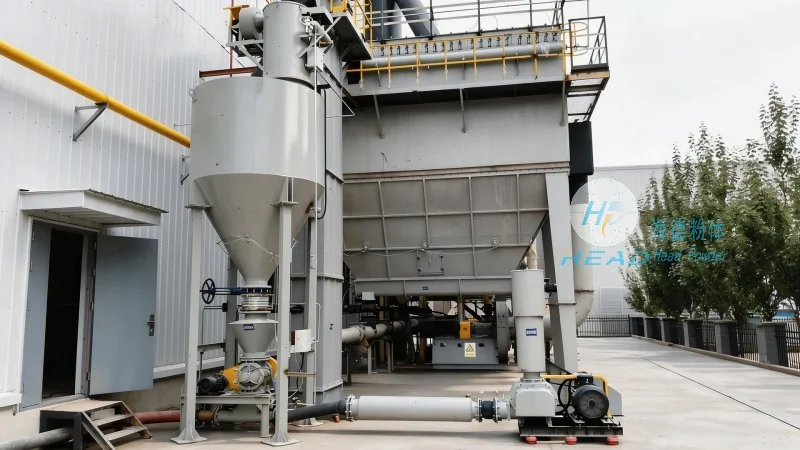
Glass fiber powder material pneumatic conveying systems are specialized equipment used to transport glass fiber powders through a pipeline using air or other gases. These systems are essential in various industrial applications, such as manufacturing, construction, and composite material production, where the handling of fine powders requires precision and efficiency. The system typically consists of a hopper, a blower or compressor, a pipeline, and a receiver, all working together to move the material from one location to another without the need for mechanical components like belts or buckets.
Key Components of the Pneumatic Conveying System
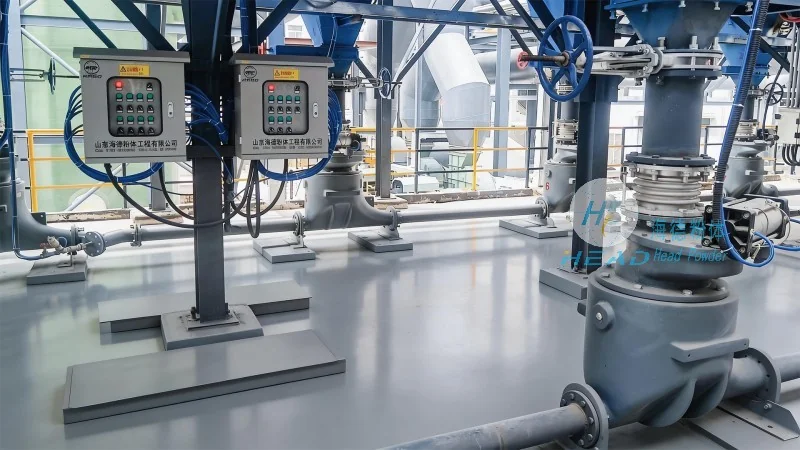
The effectiveness of a glass fiber powder material pneumatic conveying system relies on several key components. The hopper serves as the storage and feeding unit, where the glass fiber powder is loaded and then discharged into the pipeline. The blower or compressor generates the necessary air pressure to move the powder through the system. The pipeline, usually made of stainless steel or other corrosion-resistant materials, ensures the material is transported safely and efficiently. Finally, the receiver collects the glass fiber powder at the destination, completing the conveying process.

Design Principles and Operational Mechanisms
The design principles of a glass fiber powder material pneumatic conveying system are centered on maintaining the integrity of the powder and ensuring efficient transport. One of the primary design considerations is the air-to-powder ratio, which determines the velocity and pressure required to move the material. A higher air velocity can help prevent particle agglomeration and blockages, while a lower velocity may be used for longer conveying distances or to minimize energy consumption. The system also incorporates features like pulse-jet or rotary valves to control the flow of powder and air, ensuring smooth and consistent operation.
Role of Shandong HeadPowder Engineering Co., Ltd. in System Implementation
Shandong HeadPowder Engineering Co., Ltd., a leading company in the field, plays a vital role in the design, manufacturing, and installation of glass fiber powder material pneumatic conveying systems. With years of experience and expertise, the company provides customized solutions tailored to the specific needs of clients. The company’s engineers work closely with clients to understand their operational requirements, material characteristics, and site conditions, ensuring that the final system meets all performance and safety standards. HeadPowder’s commitment to quality and innovation has made it a trusted partner for industries seeking reliable and efficient powder handling solutions.
Advantages of Using Pneumatic Conveying Systems for Glass Fiber Powders
Implementing a glass fiber powder material pneumatic conveying system offers several advantages over traditional mechanical conveying methods. Firstly, it eliminates the need for moving parts, reducing maintenance costs and the risk of mechanical failure. Secondly, it provides a clean and hygienic method of transporting powders, which is particularly important in industries where contamination control is critical. Thirdly, the system can handle a wide range of particle sizes and flow rates, making it versatile for various applications. Additionally, pneumatic conveying systems can be easily integrated with other processing equipment, enhancing overall operational efficiency.
Considerations for System Selection and Maintenance
When selecting a glass fiber powder material pneumatic conveying system, several factors must be considered to ensure optimal performance. The first is the material characteristics of the glass fiber powder, including its density, moisture content, and particle size distribution. These factors influence the air velocity and pressure required for efficient transport. The second is the conveying distance and layout of the system, as longer distances may require additional components like cyclones or filters to maintain system efficiency. Regular maintenance is also crucial to prevent system downtime and ensure long-term performance. This includes cleaning the pipeline, checking the blower or compressor for wear and tear, and inspecting the hopper and receiver for any signs of wear or damage.
Conclusion
Glass fiber powder material pneumatic conveying systems are an essential technology for industries dealing with fine powders, offering efficient, clean, and reliable transport solutions. With the expertise of companies like Shandong HeadPowder Engineering Co., Ltd., these systems can be customized to meet the specific needs of various applications. By understanding the design principles and operational mechanisms of such systems, industries can improve their operational efficiency and reduce costs associated with powder handling.