

What is a Powder Pneumatic Conveying System for Lithium-Ion Battery Cathode Materials? And What Are
For manufacturers in the lithium-ion battery industry, the efficient and reliable handling of cathode material powders is a critical aspect of production. Powder pneumatic conveying systems have emerged as a key solution to address the challenges associated with transporting these fine materials. This article explores the concept of a powder pneumatic conveying system specifically designed for lithium-ion battery cathode materials and delves into its fundamental design principles.

Understanding the Role of Cathode Material Handling in Battery Production
Lithium-ion battery cathode materials, such as lithium cobalt oxide (LiCoO₂), lithium iron phosphate (LiFePO₄), and nickel manganese cobalt oxide (NMC), are typically in powder form. These powders are sensitive to moisture, contamination, and agglomeration, which can significantly impact the performance and safety of the final battery product. Therefore, the method of conveying these materials from raw material storage to the mixing and coating stages must be carefully controlled to maintain their quality and integrity.
What Is a Powder Pneumatic Conveying System?
A powder pneumatic conveying system is a technology that uses compressed air or other gas to transport dry powders through a pipeline. Unlike traditional mechanical conveying methods, such as screw conveyors or belt conveyors, pneumatic systems offer advantages like minimal product contamination, flexibility in layout, and the ability to handle materials with high moisture content or abrasive properties. In the context of lithium-ion battery cathode materials, this system ensures that the powders are transported without exposure to external elements, preserving their chemical and physical properties.

Key Components of a Lithium-Ion Battery Cathode Material Pneumatic Conveying System
The design of a powder pneumatic conveying system for cathode materials involves several key components that work in concert to achieve efficient material transport. These components include:

- Material Hopper: A container that stores the cathode powder before it is conveyed. The hopper is designed to minimize material bridging and ensure a consistent flow of powder into the system.
- Air Supply Unit: This component generates the compressed air or gas needed to move the powder through the pipeline. It typically includes a compressor, air dryer, and filter to ensure the air is clean and dry, preventing contamination of the cathode material.
- Conveying Pipeline: The pipeline is made of materials that are compatible with the cathode powder, such as stainless steel or PTFE-lined components, to avoid chemical reactions or particle adhesion.
- Control Valves and Regulators: These devices regulate the flow of air and powder, allowing for precise control over the conveying rate and pressure within the system.
- Receiver Tank: The end of the pipeline where the conveyed powder is deposited. The receiver is designed to prevent dust emissions and ensure the material is collected in a controlled manner.
Design Principles for Efficient Cathode Material Pneumatic Conveying
The design of a pneumatic conveying system for lithium-ion battery cathode materials must adhere to several principles to ensure optimal performance and material quality. These principles include:
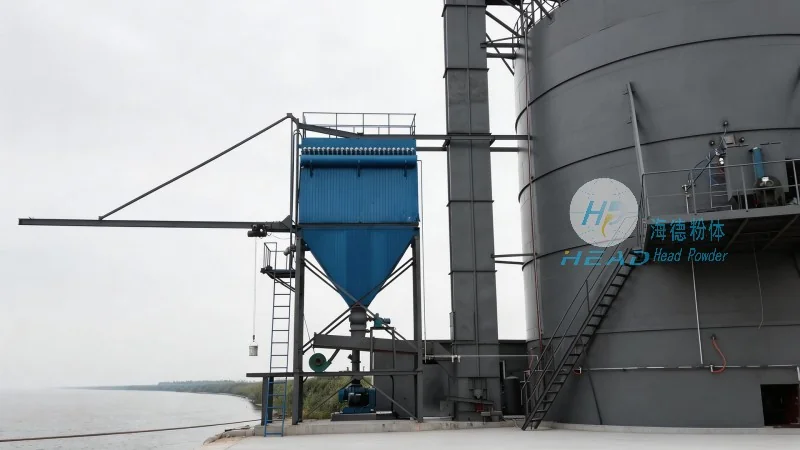
- Low Pressure Drop: Minimizing pressure drop in the pipeline is crucial to reduce energy consumption and prevent material degradation. This is achieved by using smooth pipeline surfaces and avoiding sharp bends or constrictions.
- Uniform Particle Flow: Ensuring a consistent flow of powder particles is essential to prevent agglomeration and maintain the material's particle size distribution. This is achieved through proper hopper design and air flow control.
- Moisture Control: Maintaining low humidity levels in the system is critical to prevent moisture absorption by the cathode powder, which can affect battery performance. The air supply unit includes a dryer to achieve this.
- Contamination Prevention: All components of the system are designed to prevent cross-contamination from other materials or environmental factors. This includes using sealed connections and cleanable parts.
Advantages of Using a Pneumatic Conveying System for Lithium-Ion Battery Cathode Materials
Implementing a powder pneumatic conveying system for lithium-ion battery cathode materials offers several advantages over traditional conveying methods. These benefits include:
- Enhanced Product Quality: The enclosed system prevents exposure to moisture, dust, and contaminants, ensuring the cathode powder remains in its optimal state for battery production.
- Increased Efficiency: Pneumatic systems can transport materials over longer distances with less energy consumption compared to mechanical methods, improving overall production efficiency.
- Flexibility in Layout: The system can be easily integrated into existing production lines, allowing for changes in production layout without major modifications.
- Reduced Labor Costs: Automated conveying reduces the need for manual handling of powders, minimizing the risk of human error and improving workplace safety.
Conclusion and Company Introduction
Efficient handling of lithium-ion battery cathode materials is essential for maintaining product quality and production efficiency. A powder pneumatic conveying system, designed with the specific needs of cathode materials in mind, offers a reliable and effective solution. Shandong HeadPowder Engineering Co., Ltd., a leading manufacturer specializing in powder handling equipment, provides advanced pneumatic conveying systems tailored to the lithium-ion battery industry. With a focus on precision engineering and material compatibility, HeadPowder ensures that their systems meet the stringent requirements of modern battery production. Based in Shandong, China, HeadPowder leverages years of expertise to deliver high-quality solutions that enhance the performance and safety of lithium-ion batteries.