

What is Sawdust and Husk Powder Pneumatic Conveying Equipment? What are its Design Principles?
For industries dealing with bulk materials like sawdust and husk, efficient material handling is crucial. Pneumatic conveying systems offer a solution that minimizes contamination, reduces labor costs, and enhances overall operational efficiency. This article explores the concept of sawdust and husk powder pneumatic conveying equipment, detailing its design principles and practical applications.

About HeadPowder: Your Trusted Partner in Material Handling Solutions
HeadPowder, a leading manufacturer based in Shandong, China, specializes in the design, development, and production of advanced pneumatic conveying systems. With years of experience in the industry, HeadPowder has established itself as a reliable supplier of high-quality equipment tailored to the specific needs of various sectors, including woodworking, agriculture, and biomass processing. The company’s commitment to innovation and customer satisfaction ensures that clients receive equipment that meets the highest standards of performance and durability.
Understanding Pneumatic Conveying Systems
Pneumatic conveying, also known as air conveying, is a method of transporting bulk materials through a pipeline using compressed air. This technology is particularly effective for materials that are fine, dusty, or prone to caking. The system typically consists of a hopper, a blower or compressor, a pipeline network, and a discharge point. The material is fed into the hopper and then drawn into the pipeline by the airflow, ensuring a continuous and controlled flow. Pneumatic conveying is widely used in industries where traditional methods like belt conveyors or bucket elevators are not suitable due to the nature of the material.

Key Components of Sawdust and Husk Powder Pneumatic Conveying Equipment
The sawdust and husk powder pneumatic conveying equipment from HeadPowder is designed with several key components that work in harmony to ensure optimal performance. These components include:
- Hopper: A storage vessel that holds the raw material, allowing for a consistent feed rate. The hopper is equipped with a feeding mechanism, such as a rotary valve or a screw feeder, to control the material flow into the pipeline.
- Blower or Compressor: The heart of the system, this component generates the necessary airflow to move the material through the pipeline. The choice between a blower and a compressor depends on the specific application, with blowers being more common for low-pressure systems and compressors for high-pressure applications.
- Pipeline Network: A network of pipes that transports the material from the hopper to the discharge point. The design of the pipeline, including the diameter and the number of bends, is critical to maintaining the airflow and preventing material deposition or blockages.
- Filter and Dust Collector: To ensure the system operates cleanly and safely, a filter and dust collector are included to remove any particles from the exhaust air. This not only protects the environment but also maintains the quality of the conveyed material.
- Control System: An automated control system that monitors and regulates the operation of the equipment. This system allows for real-time adjustments to the airflow and material feed rate, ensuring efficient and safe operation.
Design Principles of the Equipment
The design of sawdust and husk powder pneumatic conveying equipment follows several key principles to ensure efficiency and reliability. These principles include:
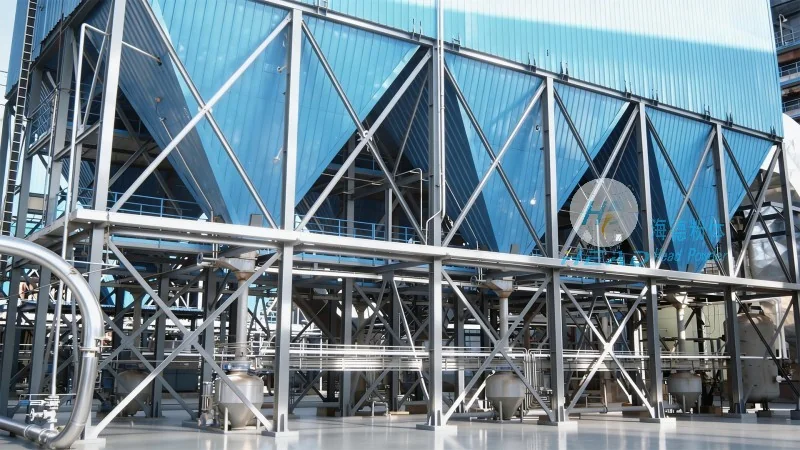
- Material Compatibility: The equipment is designed to handle materials with specific properties, such as particle size, moisture content, and density. The components, including the hopper and pipeline, are made of materials that are resistant to corrosion and wear caused by the conveyed material.
- Pressure and Flow Optimization: The system is designed to operate at the optimal pressure and flow rate for the specific material being conveyed. This ensures that the material moves smoothly through the pipeline without causing blockages or excessive energy consumption.
- Energy Efficiency: The design incorporates energy-saving features, such as variable speed drives for the blower and compressor, and efficient pipeline designs. This reduces operational costs and minimizes the environmental impact of the system.
- Safety and Maintenance: The equipment is designed with safety features, such as pressure relief valves and emergency stop buttons. Regular maintenance is also facilitated by easy access to components, ensuring that the system remains in good working condition.
Applications and Benefits
The sawdust and husk powder pneumatic conveying equipment from HeadPowder is suitable for a wide range of applications in various industries. Some of the key benefits of using this equipment include:
- Reduced Contamination: Unlike traditional methods, pneumatic conveying prevents cross-contamination between different batches of material, ensuring the quality of the final product.
- Improved Efficiency: The automated control system and optimized design result in higher throughput and lower labor costs, increasing overall operational efficiency.
- Space-Saving: The compact design of the equipment allows for installation in limited spaces, making it suitable for facilities with space constraints.
- Low Maintenance: The use of durable materials and easy-to-access components reduces the need for frequent maintenance, lowering long-term costs.
Conclusion
Sawdust and husk powder pneumatic conveying equipment is a vital component in the efficient handling of bulk materials. With its advanced design principles and robust construction, the equipment from HeadPowder provides industries with a reliable and efficient solution for their material handling needs. By understanding the key components and design principles, businesses can make informed decisions when selecting the right pneumatic conveying system for their operations.