

Aluminum Sulfate Powder Pneumatic Conveying Equipment: What It Is and Its Design Principles
Aluminum sulfate, commonly known as alum, is a widely used chemical in various industrial applications, including water treatment, paper manufacturing, and dyeing processes. The efficient handling and transportation of aluminum sulfate powder are crucial for maintaining production efficiency and ensuring product quality. Pneumatic conveying equipment has emerged as a reliable solution for transporting such powders, offering advantages like low maintenance, flexibility, and the ability to handle fine powders without contamination. This article explores the concept of aluminum sulfate powder pneumatic conveying equipment and delves into its design principles, highlighting the technology's role in modern industrial operations.

Introduction to Aluminum Sulfate Powder Pneumatic Conveying Equipment
Pneumatic conveying systems utilize air or gas to transport bulk materials like aluminum sulfate powder from one location to another. Unlike traditional mechanical conveying methods, such as screw conveyors or belt conveyors, pneumatic systems rely on the pressure differential created by moving air to move the material. This method is particularly suitable for aluminum sulfate powder due to its fine particle size and the need to avoid product degradation or contamination during transport. The equipment typically consists of a hopper, a conveyor line, and a receiver, all integrated to form a seamless material handling solution.

Key Components of the Pneumatic Conveying System
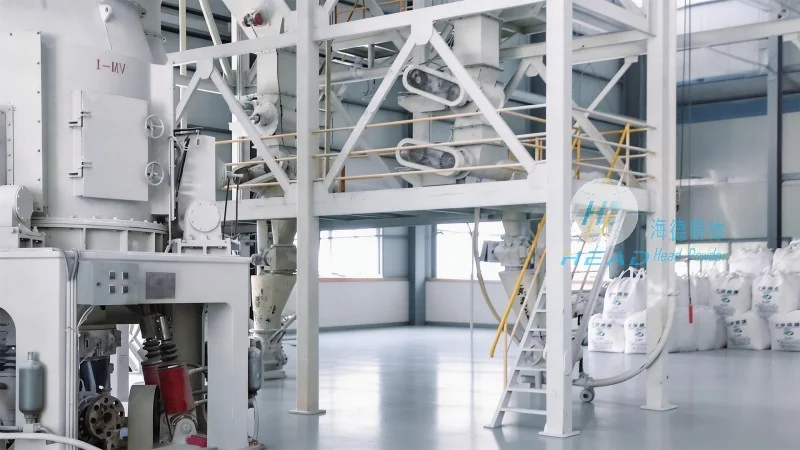
The aluminum sulfate powder pneumatic conveying equipment is composed of several critical components that work in tandem to ensure efficient operation. The primary components include a material hopper, which stores the aluminum sulfate powder and feeds it into the system; a conveyor line, which can be either positive or negative pressure, depending on the system design; and a receiver, where the material is deposited at the destination. Additionally, the system may include a blower or compressor to generate the necessary air flow, a filter to remove dust and particles from the air stream, and a control system to regulate the conveying process. Each component plays a vital role in maintaining the system's performance and ensuring the safe and efficient transport of aluminum sulfate powder.

Design Principles for Aluminum Sulfate Powder Pneumatic Conveying
The design of aluminum sulfate powder pneumatic conveying equipment is based on several key principles to optimize performance and reliability. One of the fundamental principles is the selection of appropriate air velocity and pressure to ensure the material is entrained and transported without clogging or degradation. The air velocity must be high enough to lift the powder particles but not so high as to cause excessive wear on the system components or generate excessive dust. The system design also considers the particle size distribution of the aluminum sulfate powder, as finer particles require higher air velocities for effective conveying. Another critical design principle is the prevention of material buildup and blockages in the conveyor line. This is achieved through the use of appropriate hopper designs, such as conical hoppers with smooth walls, and the incorporation of air knives or other cleaning mechanisms to prevent powder accumulation. The system also incorporates safety features, such as pressure relief valves and dust collection systems, to protect operators and the environment from potential hazards.
Application and Benefits of Aluminum Sulfate Powder Pneumatic Conveying
Aluminum sulfate powder pneumatic conveying equipment is widely used in various industries due to its versatility and efficiency. In water treatment plants, the equipment is used to transport aluminum sulfate to dosing points, ensuring consistent and accurate dosing for coagulation processes. In the paper industry, it is used to convey the chemical to paper machines, where it is used as a filler or sizing agent. The equipment also finds applications in the dyeing and printing industries, where aluminum sulfate is used as a mordant to fix dyes onto fabric. The benefits of using pneumatic conveying for aluminum sulfate powder include reduced labor costs, minimized product loss, and improved process control. Additionally, the system is compact and can be easily integrated into existing production lines, making it a cost-effective solution for many industrial applications.
Conclusion
Aluminum sulfate powder pneumatic conveying equipment is a vital technology in modern industrial operations, providing an efficient and reliable method for transporting fine powders. The design principles, including appropriate air velocity, pressure, and system components, ensure the equipment operates effectively and safely. The equipment's benefits, such as reduced maintenance and improved process control, make it an attractive solution for industries that rely on aluminum sulfate. As industrial processes continue to evolve, the demand for efficient material handling solutions will remain high, and pneumatic conveying equipment will continue to play a crucial role in meeting these needs. Shandong HeadPowder Engineering Co., Ltd., based in Shandong, China, specializes in the design and manufacturing of such equipment, providing customized solutions to meet the specific needs of various industries.