

What is Cassava Powder Pneumatic Conveying? And What Are Its Design Principles?
Cassava powder pneumatic conveying is a specialized method used in industrial processes to transport fine powders like cassava starch or other similar granular materials through a pipeline using air as the conveying medium. This technology offers an efficient and flexible solution for moving bulk materials from one location to another, often in environments where traditional mechanical conveying systems may face challenges such as dust, moisture, or material degradation. Understanding the fundamental principles and design considerations behind this system is crucial for optimizing its performance and ensuring reliable operation in various industrial applications.

Introduction to Cassava Powder Pneumatic Conveying
Pneumatic conveying systems utilize air or other gases to transport solid particles through a sealed pipeline. In the case of cassava powder, which is a fine, dry powder with specific handling characteristics, the design of the conveying system must account for factors like particle size, density, flowability, and moisture content. The primary goal is to achieve efficient, low-loss, and cost-effective material transport while maintaining product quality and minimizing operational issues such as blockages or degradation. This method is particularly advantageous in industries dealing with sensitive or hygroscopic materials, where maintaining the integrity of the powder is paramount.
Key Components of a Cassava Powder Pneumatic Conveying System
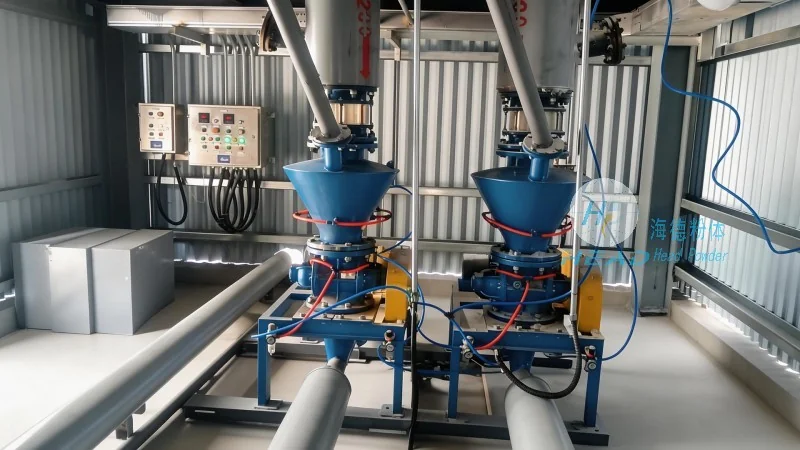
The design of a cassava powder pneumatic conveying system typically involves several critical components that work in concert to ensure smooth material transport. These components include the material feed system, the conveying pipeline, the air supply and control system, and the discharge equipment. Each component plays a vital role in the overall efficiency and reliability of the system.
Firstly, the material feed system is responsible for introducing the cassava powder into the pipeline. This may involve a hopper or a feeder that can handle the bulk material and feed it at a controlled rate. The design of the feeder must prevent material bridging or arching, which can lead to flow interruptions. For cassava powder, which can be prone to sticking, specialized feeders like rotary valves or screw feeders are often used to ensure consistent and reliable material introduction.
Secondly, the conveying pipeline is the main channel through which the powder and air mixture travels. The pipeline is usually made of materials like stainless steel or plastic, chosen for their resistance to corrosion and wear from the abrasive powder. The diameter and length of the pipeline are critical design parameters, as they directly impact the system's pressure drop and energy consumption. Properly sized and routed pipelines minimize energy losses and ensure that the material reaches its destination without excessive pressure or velocity.
Thirdly, the air supply and control system provides the necessary air flow to move the powder particles. This system includes a blower or compressor that generates the required air pressure and volume. The control system regulates the air flow rate, ensuring that it matches the material feed rate to maintain a stable conveying condition. Variable frequency drives (VFDs) are often employed to adjust the air flow dynamically, optimizing energy use and preventing over-pressurization or under-pressurization that could lead to system inefficiencies or material degradation.
Finally, the discharge equipment is used to release the conveyed powder from the pipeline at the destination point. This may include a receiver hopper, a rotary valve, or a pneumatic unloader. The design of the discharge system must prevent backflow or material spillage and ensure that the powder is discharged smoothly and without causing blockages. For cassava powder, which can be hygroscopic, the discharge area may need to be equipped with drying or moisture control measures to maintain product quality.
Design Principles and Considerations for Efficient Cassava Powder Conveying
The design of a cassava powder pneumatic conveying system is guided by several key principles aimed at maximizing efficiency, minimizing energy consumption, and ensuring product integrity. These principles involve careful consideration of the material properties, system layout, and operational parameters.
One of the fundamental design principles is the selection of the appropriate conveying velocity. The velocity of the air-powder mixture must be sufficient to lift and transport the powder particles but not so high as to cause excessive wear on the pipeline or equipment. The minimum conveying velocity is determined by the particle size and density of the cassava powder, typically ranging from 10 to 20 meters per second for fine powders. Maintaining this velocity ensures that the particles remain suspended in the air stream, preventing settling or blockages in the pipeline.
Another critical design consideration is the pressure drop across the system. The pressure drop is the difference in pressure between the inlet and outlet of the conveying pipeline and is a measure of the energy required to move the material. Designers aim to minimize the pressure drop by optimizing the pipeline diameter, length, and bends. Using larger diameter pipelines and reducing the number of bends or using smooth, low-friction pipe materials can significantly reduce energy consumption. For cassava powder, which may have high friction coefficients due to its fine particle size, the pressure drop can be higher, requiring more powerful air sources or larger diameter pipelines.
Material properties also play a significant role in system design. Cassava powder is typically a fine, dry powder with a relatively low bulk density, which affects the conveying capacity. The flowability of the powder, influenced by factors such as moisture content and particle size distribution, impacts the feeder and discharge system design. For example, if the powder is hygroscopic and prone to clumping, the system may need to include drying or anti-caking agents to maintain consistent flow. Additionally, the abrasive nature of cassava powder can lead to wear on the pipeline and equipment, necessitating the use of wear-resistant materials like stainless steel or lined components.
System layout and operational flexibility are also important design aspects. The layout of the conveying system should be designed to minimize the overall length and number of bends, as each bend introduces additional pressure drop and potential for material accumulation. The system should also be designed for easy maintenance and cleaning, as cassava powder can be difficult to remove from equipment surfaces. This may involve incorporating cleaning ports or using self-cleaning components to prevent material buildup and ensure long-term system performance.
Applications and Benefits of Cassava Powder Pneumatic Conveying
Cassava powder pneumatic conveying systems are widely used in various industrial applications where the transport of fine powders is required. These applications include food processing, pharmaceuticals, chemical manufacturing, and agricultural processing. The benefits of using pneumatic conveying for cassava powder include improved process efficiency, reduced labor costs, and enhanced product quality.

In the food industry, cassava powder is used as a raw material for starch production and other food products. Pneumatic conveying allows for the efficient transport of the powder from storage silos to processing equipment, ensuring a consistent supply of material without the need for manual handling. This reduces the risk of contamination and improves the overall hygiene of the processing line.
In the pharmaceutical industry, the use of pneumatic conveying is essential for handling sensitive and hygroscopic powders like cassava starch, which are used in drug formulations. The sealed system prevents contamination from external sources and maintains the product's moisture content, ensuring that the final drug product meets quality standards.
In chemical manufacturing, cassava powder may be used as a raw material or as a filler in various products. Pneumatic conveying allows for the safe and efficient transport of these materials, reducing the risk of dust explosions and improving workplace safety. The system's ability to handle abrasive and fine powders makes it suitable for a wide range of chemical applications.
Overall, the benefits of cassava powder pneumatic conveying include improved process control, reduced energy consumption, and enhanced product quality. By carefully designing the system to account for the specific properties of cassava powder, industrial operations can achieve reliable and efficient material transport, leading to increased productivity and cost savings.
Conclusion
Cassava powder pneumatic conveying is a sophisticated and effective method for transporting fine powders in industrial settings. The design of such systems requires a thorough understanding of the material properties, system components, and operational principles to ensure optimal performance. By adhering to key design principles and considering the specific needs of the application, manufacturers can develop efficient and reliable pneumatic conveying systems that enhance productivity and product quality.
Shandong HeadPowder Engineering Co., Ltd., a leading provider of engineering solutions for powder handling systems, specializes in designing and manufacturing pneumatic conveying systems tailored to the unique requirements of cassava powder and other fine materials. With years of experience in the industry, the company leverages advanced technology and expertise to deliver customized solutions that meet the highest standards of efficiency, reliability, and product integrity. HeadPowder's commitment to quality and innovation ensures that their systems are built to last, providing long-term value to clients in various industries. Located in Shandong, China, HeadPowder serves a global market, helping businesses optimize their material handling processes and achieve their operational goals.