

What is a Yellow Sand Material Handling System Equipment? What is Its Design Principle?
Yellow sand material handling systems are essential in various industrial and construction applications, providing efficient and reliable methods for transporting bulk materials like yellow sand. Understanding the equipment and its design principles is crucial for optimizing material flow and operational efficiency. This article explores the key aspects of such systems, including their components, operational mechanisms, and the underlying design philosophies that ensure effective performance.

Introduction to Yellow Sand Material Handling Systems
Yellow sand, a common construction material, requires specialized equipment for safe and efficient transportation. Material handling systems designed for yellow sand typically involve a combination of mechanical components and control systems to manage the movement of the material from source to destination. These systems are engineered to handle the unique properties of yellow sand, such as its granular structure and potential for dust generation, ensuring minimal loss and maximum throughput.
About HeadPowder: The Manufacturer
HeadPowder, a leading manufacturer based in Shandong, China, specializes in the design, production, and supply of material handling equipment. With a strong commitment to quality and innovation, HeadPowder has established itself as a trusted name in the industry. The company’s facilities are equipped with advanced technology and skilled personnel, enabling the development of customized solutions tailored to the specific needs of clients. HeadPowder’s products are known for their durability, efficiency, and compliance with international standards, making them suitable for a wide range of applications.
Key Components of the Material Handling System
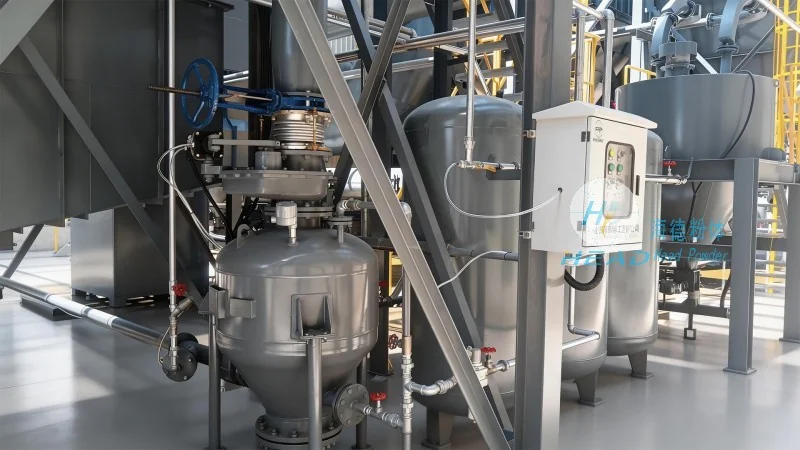
The yellow sand material handling system typically consists of several key components that work in harmony to achieve the desired material transport. These components include a feeding hopper, a conveyor system (such as a belt conveyor or screw conveyor), a control panel, and a discharge mechanism. The feeding hopper is designed to collect and store the yellow sand, ensuring a consistent flow into the conveyor. The conveyor system is the core of the system, responsible for moving the material along the designated path. It may feature adjustable speed controls and tension mechanisms to handle variations in material load and density. The control panel allows operators to monitor and adjust the system’s performance, while the discharge mechanism ensures the material is delivered to the intended location without spillage or blockage.
Design Principles Behind the System
The design of a yellow sand material handling system is guided by several fundamental principles aimed at maximizing efficiency, safety, and reliability. One of the primary principles is the minimization of material loss and contamination. This is achieved through the use of sealed and enclosed systems that prevent dust and sand from escaping during transport. The design also emphasizes the reduction of friction and wear on components, which extends the system’s lifespan and reduces maintenance costs. Another critical principle is the optimization of energy consumption. By using efficient motors and variable speed drives, the system can operate at lower energy levels while maintaining high throughput. Additionally, the design considers the ergonomic aspects of operation, ensuring that the system is easy to control and maintain, reducing the risk of operator fatigue and accidents.

Operational Mechanisms and Efficiency
The operational mechanisms of the yellow sand material handling system are designed to ensure smooth and continuous material flow. The feeding hopper is equipped with a gate or valve that controls the rate of material discharge, preventing overloading of the conveyor. The conveyor system uses a belt or screw that rotates at a controlled speed, moving the material forward. The control panel monitors the system’s performance, adjusting the speed and tension as needed to maintain optimal operation. The discharge mechanism, such as a chute or outlet, directs the material to the storage or processing area. This integrated approach ensures that the system operates efficiently, with minimal downtime and maximum productivity.

Applications and Benefits
Yellow sand material handling systems are widely used in various industries, including construction, mining, and manufacturing. In construction, they are used for transporting sand to building sites, ensuring a steady supply of material for concrete and mortar production. In mining operations, they help in the transport of sand from extraction sites to processing facilities, improving the overall workflow. The benefits of these systems include increased productivity, reduced labor costs, and improved safety. By automating the material handling process, companies can achieve higher throughput and lower operational costs, making the investment in such systems highly beneficial.
Conclusion
In conclusion, yellow sand material handling systems are sophisticated pieces of equipment designed to efficiently transport bulk materials. The design principles and components work together to ensure reliable and safe operation. HeadPowder, with its expertise and commitment to quality, provides effective solutions for the material handling needs of various industries. Understanding the system’s design and functionality is essential for optimizing its performance and maximizing its benefits in industrial and construction applications.