

What Are the Methods for Maltose Conveying? An Overview of the Advantages and Features of Maltose Pneumatic Conveying
When it comes to the handling and transportation of maltose, selecting the right conveying method is crucial for maintaining product quality, efficiency, and operational safety. Maltose, a key ingredient in the food and beverage industry, requires specialized handling due to its hygroscopic nature and the need for gentle processing. Traditional methods such as belt conveyors or screw conveyors may not always meet the stringent requirements of maltose transportation, leading to issues like product degradation, contamination, or inefficient material flow. This article explores the various methods available for maltose conveying and highlights the advantages of pneumatic conveying, a modern solution that has gained significant traction in the industry.

Traditional Conveying Methods and Their Limitations
Historically, industries have relied on conventional conveying systems like belt conveyors, screw conveyors, and bucket elevators for material transport. While these methods are widely used, they present several challenges when applied to maltose. Belt conveyors, for instance, can cause friction and abrasion, potentially damaging the maltose crystals and altering their texture. Screw conveyors, though effective for dry powders, may lead to caking or blockages, especially with hygroscopic materials like maltose. Bucket elevators, while capable of vertical transport, can generate high shear forces that affect the product's integrity. These limitations highlight the need for more advanced and gentle conveying solutions that can preserve the quality of maltose while ensuring efficient material handling.
Pneumatic Conveying: A Modern Solution for Maltose Transport
Pneumatic conveying, also known as air conveying, is a technology that uses compressed air to transport dry bulk materials like maltose through a pipeline system. This method offers several advantages over traditional approaches, making it an ideal choice for maltose handling. One of the primary benefits is the gentle handling of the product. Unlike mechanical conveyors that rely on physical contact, pneumatic systems use air to move the material, minimizing friction and reducing the risk of product degradation. This is particularly important for maltose, which is sensitive to mechanical stress and can lose its quality if subjected to excessive pressure or friction.

Another key advantage of pneumatic conveying is its ability to handle hygroscopic materials effectively. Maltose has a tendency to absorb moisture from the air, which can affect its shelf life and processing properties. Pneumatic systems can be designed with closed pipelines and controlled humidity levels, preventing moisture ingress and maintaining the product's moisture content within desired limits. This helps in preserving the maltose's flavor, color, and nutritional value, which are critical for its use in food and beverage applications.
Efficiency and flexibility are additional benefits of pneumatic conveying. The system allows for continuous, unattended operation, reducing labor costs and increasing production throughput. It can also be easily integrated with other processing equipment, such as mixers, dryers, or packaging machines, creating a seamless material flow from storage to final product. The flexibility of pneumatic systems also enables them to handle varying material loads and flow rates, adapting to different production requirements without significant modifications.
Advantages of Maltose Pneumatic Conveying
For maltose manufacturers, pneumatic conveying offers a range of advantages that enhance operational performance and product quality. The gentle handling ensures that the maltose crystals remain intact, preserving their texture and functionality. This is essential for applications where the maltose's physical properties are critical, such as in the production of syrups, candies, or baked goods. The reduced risk of contamination is another significant benefit. Pneumatic systems can be designed with sanitary materials and sealed pipelines, minimizing the risk of cross-contamination from other materials or the environment. This is particularly important in food processing, where hygiene standards are strictly regulated.

Energy efficiency is also a key advantage of pneumatic conveying. Modern systems use advanced air compressors and control technologies to optimize energy consumption, reducing operational costs. The ability to transport maltose over long distances without the need for multiple transfer points also contributes to energy savings. Additionally, the system's low maintenance requirements, compared to mechanical conveyors, further reduce long-term operational expenses.
Another advantage is the scalability of pneumatic conveying systems. They can be easily expanded or modified to accommodate increased production volumes or changing production needs. This flexibility makes them suitable for both small-scale and large-scale maltose processing facilities. The system's ability to handle a wide range of particle sizes and flow rates also adds to its versatility, making it adaptable to different maltose formulations and production processes.
HeadPowder's Expertise in Maltose Pneumatic Conveying
Shandong HeadPowder Engineering Co., Ltd., a leading provider of bulk material handling solutions, specializes in designing and manufacturing advanced pneumatic conveying systems tailored to the needs of the maltose industry. With years of experience in the field, HeadPowder has developed innovative solutions that address the unique challenges of maltose transportation. The company's expertise lies in understanding the material properties of maltose and designing systems that minimize product degradation while maximizing efficiency.
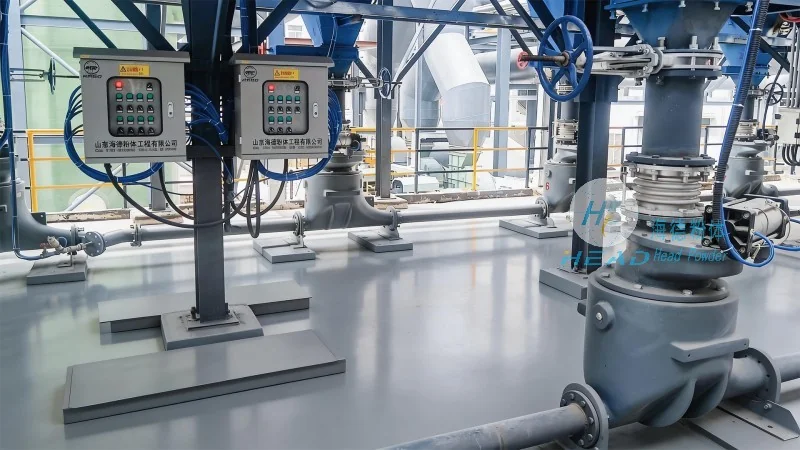
HeadPowder's pneumatic conveying systems are engineered with precision to ensure optimal performance. The company uses high-quality materials, such as stainless steel and food-grade components, to construct the pipelines and equipment, ensuring compliance with industry standards and hygiene regulations. The systems are also equipped with advanced control and monitoring features, allowing operators to track material flow, pressure, and other critical parameters in real-time. This enables proactive maintenance and quick troubleshooting, minimizing downtime and maximizing productivity.
HeadPowder's commitment to quality and customer satisfaction is evident in their approach to system design and installation. The company works closely with clients to understand their specific requirements, from production capacity to product specifications, and develops customized solutions that meet their needs. Whether it's a new installation or an upgrade to an existing system, HeadPowder provides comprehensive support, including design, manufacturing, installation, and after-sales service. This comprehensive approach ensures that clients receive a reliable and efficient conveying system that enhances their operational performance and product quality.