

What Are Polypropylene Material Handling Equipment? And What Are Their Design Principles?
Polypropylene (PP) is a widely used thermoplastic polymer known for its excellent chemical resistance, lightweight nature, and versatility in various industrial applications. When handling PP materials, specialized equipment is essential to ensure efficient, safe, and reliable operations. This article explores the types of polypropylene material handling equipment and the fundamental design principles that govern their functionality.

The primary goal of polypropylene material handling equipment is to transport, store, and manage PP pellets, powders, or granules in manufacturing and processing environments. These systems are engineered to address the unique properties of PP, such as its tendency to be lightweight and potentially dusty, which can affect handling efficiency and safety. Key equipment includes screw conveyors, pneumatic conveying systems, and bulk handling solutions, each tailored to specific operational needs.
Design Principles of Polypropylene Material Handling Equipment
The design of polypropylene material handling equipment revolves around several critical principles to ensure optimal performance. First, material compatibility is paramount. Components like conveyor screws, hoppers, and pipelines are typically made from materials that resist chemical attack from PP and its additives. Stainless steel, food-grade plastics, or specialized alloys are common choices to prevent corrosion and maintain product purity.
Second, the system must accommodate the physical properties of PP. PP pellets and powders have a relatively low bulk density compared to other plastics, which can lead to bridging or segregation in storage and transport. Designers incorporate features such as agitators, vibrators, or inclined hoppers to prevent these issues and ensure consistent flow. For example, screw conveyors use helical screws with specific pitch and diameter to control the speed and direction of material movement, minimizing friction and wear.

Third, safety and operational efficiency are central to design. Many polypropylene handling systems include dust suppression mechanisms, such as enclosed hoppers and sealed conveyor lines, to mitigate the risk of dust explosions—a critical consideration for flammable materials like PP. Additionally, control systems often integrate sensors and automation to monitor flow rates, detect blockages, and adjust speed in real-time, enhancing process reliability.
Components and Functionality of Polypropylene Handling Systems
A typical polypropylene material handling system consists of several interconnected components, each playing a vital role in the overall operation. The feeding section, often a hopper or bin, stores the PP material and regulates the flow into the conveyor. Hoppers are designed with sloped walls and sometimes internal agitators to prevent material buildup and ensure a steady feed.
The conveying section is the core of the system, where the PP is transported from the feeding point to the discharge point. Screw conveyors are widely used for this purpose, as their enclosed design prevents dust and contamination. The screw, made from corrosion-resistant materials, rotates within a trough, pushing the material forward. The speed and pitch of the screw are critical parameters that determine the conveying capacity and pressure drop.

For pneumatic conveying systems, the design focuses on air flow and pressure. These systems use compressed air to move PP particles through pipelines. The choice between positive and negative pressure systems depends on the distance and material characteristics. Positive pressure systems are suitable for short distances and low particle sizes, while negative pressure systems are better for longer distances and larger particles. The pipeline diameter and air velocity are carefully calculated to prevent particle deposition and ensure smooth transport.
The discharge section of the system delivers the PP material to the next processing stage, such as a mixer or extruder. This section may include valves, gates, or chutes to control the flow rate and direct the material accurately. Some systems also incorporate cleaning mechanisms, such as reverse flow or purge ports, to remove residual material and prevent contamination.
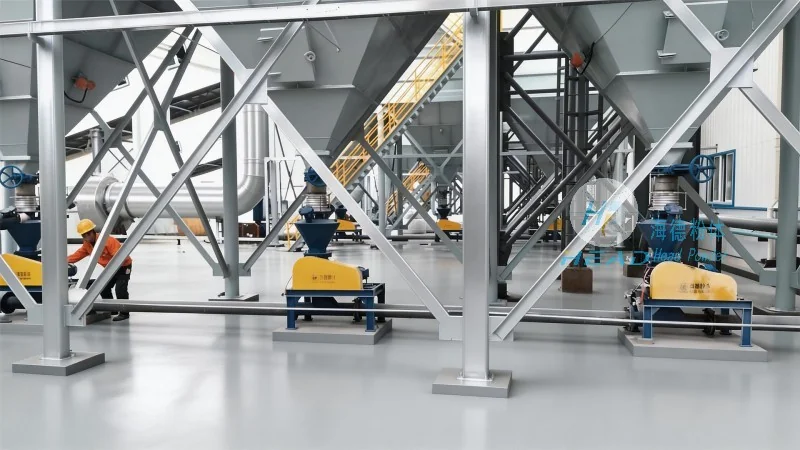
The Role of Shandong HeadPowder Engineering Co., Ltd. in Polypropylene Handling Solutions
As a leading manufacturer of material handling equipment, Shandong HeadPowder Engineering Co., Ltd. specializes in designing and manufacturing systems tailored to the unique needs of polypropylene processing. With a focus on quality and innovation, the company adheres to industry standards and incorporates advanced engineering principles in its designs.
HeadPowder's polypropylene handling systems are engineered to meet the specific challenges of PP processing, including material flow control, dust management, and system reliability. The company's expertise lies in customizing solutions to fit individual production requirements, whether for small-scale or large-scale manufacturing operations. By leveraging years of experience in the industry, HeadPowder ensures that its equipment is durable, efficient, and cost-effective for its clients.
In conclusion, polypropylene material handling equipment is a critical component of modern plastic processing facilities. The design principles and components of these systems are carefully engineered to address the unique properties of PP and ensure safe, efficient operation. Companies like Shandong HeadPowder Engineering Co., Ltd. play a vital role in providing reliable solutions that enhance productivity and maintain product quality in the polypropylene industry.