

What Are Small Bag Material Handling Equipment? And What Are Their Design Principles?
Small bag material handling equipment is a specialized type of machinery designed to efficiently transport and manage bulk materials that are packaged in small bags. These systems are widely used across various industries, including manufacturing, construction, and logistics, to streamline the process of moving materials from storage to processing or distribution points. The core function of such equipment is to automate the handling of small bags, reducing manual labor and improving operational efficiency.
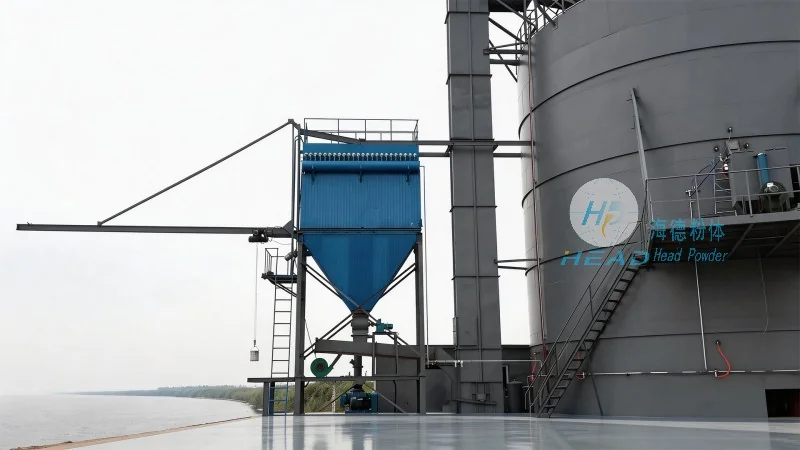
Understanding Small Bag Material Handling Equipment
At its essence, small bag material handling equipment refers to systems engineered to handle, lift, transport, and sometimes sort or store materials contained within small bags. These bags typically range in size from a few kilograms to several hundred kilograms, depending on the application. The equipment is designed to accommodate different bag types, such as woven polypropylene, paper, or plastic, and can be integrated into existing material handling workflows to enhance productivity.
The Design Principles Behind Small Bag Material Handling Equipment
The design of small bag material handling equipment is guided by several key principles aimed at optimizing performance, safety, and cost-effectiveness. One of the primary principles is ergonomics, ensuring that the equipment is user-friendly and reduces the risk of operator fatigue or injury. This involves features like adjustable heights, ergonomic controls, and smooth operation mechanisms. Another critical principle is adaptability, as the equipment must be able to handle a variety of bag sizes, weights, and shapes without compromising efficiency. This is achieved through modular components and adjustable mechanisms that can be customized to suit specific operational needs.
Efficiency is a central design consideration, with systems engineered to minimize downtime and maximize throughput. This includes features like automated bag feeding, integrated weighing systems, and seamless integration with other material handling equipment. The design also prioritizes safety, incorporating protective guards, emergency stop buttons, and compliance with industry standards to ensure safe operation in industrial environments. Additionally, durability is a key factor, as the equipment is built to withstand heavy usage and harsh conditions, often with robust construction materials and regular maintenance protocols.

Key Components and Functional Aspects
Small bag material handling equipment typically consists of several key components that work in concert to achieve its objectives. These components include a feeding mechanism, a lifting or hoisting system, a transport or conveyor system, and sometimes a sorting or storage unit. The feeding mechanism is responsible for receiving and aligning the small bags, often using sensors or mechanical guides to ensure proper positioning. The lifting system, which may be hydraulic or electric, elevates the bags to a suitable height for transport. The transport system, such as a conveyor belt or a chain-driven conveyor, moves the bags to the desired location. Some systems also include sorting mechanisms that can separate bags based on weight, size, or other criteria, enhancing operational flexibility.
The integration of these components is crucial for the overall performance of the equipment. For instance, the feeding mechanism must be synchronized with the lifting system to ensure that bags are lifted at the right time and placed onto the transport system without delay. This coordination is often achieved through automated control systems that monitor the entire process and adjust parameters in real-time. The use of sensors and feedback mechanisms further enhances the equipment's ability to handle varying loads and conditions, ensuring consistent performance.
Applications and Industry Use Cases
Small bag material handling equipment finds applications in a wide range of industries where bulk materials are handled in small bags. In the manufacturing sector, these systems are used to transport raw materials, such as chemicals or powders, from storage to production lines. In construction, they help move building materials like cement, sand, or gravel from storage areas to job sites. The logistics and warehousing industries also benefit from these systems, as they streamline the process of moving packaged goods from storage to shipping areas. Additionally, in the agricultural sector, small bag material handling equipment can be used to transport fertilizers or seeds from storage to planting areas. The versatility of these systems makes them valuable across multiple sectors, contributing to improved operational efficiency and reduced labor costs.
Advantages of Using Small Bag Material Handling Equipment
Implementing small bag material handling equipment offers several advantages that contribute to improved operational performance and cost savings. One of the primary benefits is increased efficiency, as the equipment automates the handling of small bags, reducing the time and labor required for manual handling. This leads to higher throughput and reduced production downtime. Another advantage is improved safety, as the equipment minimizes the risk of operator injury associated with manual lifting and moving of heavy bags. The use of automated systems also reduces the risk of human error, leading to more consistent and reliable performance. Additionally, the equipment can help reduce material handling costs by minimizing waste and improving the utilization of storage space. By optimizing the handling process, companies can achieve better resource management and overall operational efficiency.

Customization and Integration with Existing Systems
Small bag material handling equipment is often customizable to meet the specific needs of individual operations. Companies can choose from various models and configurations, such as fixed or mobile systems, to suit their workspace and operational requirements. The equipment can also be integrated with existing material handling systems, such as forklifts or conveyor belts, to create a seamless workflow. This integration allows for the efficient transfer of materials between different stages of the production or logistics process. Customization may also include features like adjustable lifting heights, different bag handling capacities, or additional sorting capabilities, ensuring that the equipment meets the unique demands of the application. The ability to integrate and customize the equipment makes it a flexible solution for various industrial settings.
Maintenance and Operational Considerations
Proper maintenance is essential to ensure the longevity and optimal performance of small bag material handling equipment. Regular maintenance tasks include checking the condition of belts and chains, lubricating moving parts, inspecting sensors and controls, and ensuring that all safety features are functioning correctly. These tasks should be performed according to the manufacturer's guidelines and at regular intervals to prevent breakdowns and extend the equipment's lifespan. Operational considerations also include training operators on the proper use of the equipment and adhering to safety protocols. This ensures that the equipment is used effectively and safely, minimizing the risk of accidents and equipment damage. By following proper maintenance and operational guidelines, companies can maximize the return on investment in small bag material handling equipment.
Conclusion
Small bag material handling equipment is a vital component in modern industrial operations, providing efficient and safe solutions for handling bulk materials in small bags. The design principles behind these systems prioritize ergonomics, adaptability, efficiency, and safety, ensuring that they meet the diverse needs of various industries. With proper customization and integration, these equipment systems can enhance operational performance, reduce labor costs, and improve overall productivity. As companies continue to seek ways to optimize their material handling processes, small bag material handling equipment remains a valuable investment for improving operational efficiency and competitiveness.