

What is Dry Flue Gas Desulfurization Ash Material Handling? What are the Design Principles?
Dry flue gas desulfurization (FGD) is a critical process in power plants and industrial facilities to reduce sulfur dioxide emissions. The byproduct of this process is fly ash, which needs to be handled efficiently and safely. Material handling of FGD ash involves transporting, storing, and processing the ash to ensure environmental compliance and operational efficiency. This article explores the key aspects of dry FGD ash material handling systems and the underlying design principles that govern their operation.

Components of a Dry FGD Ash Material Handling System
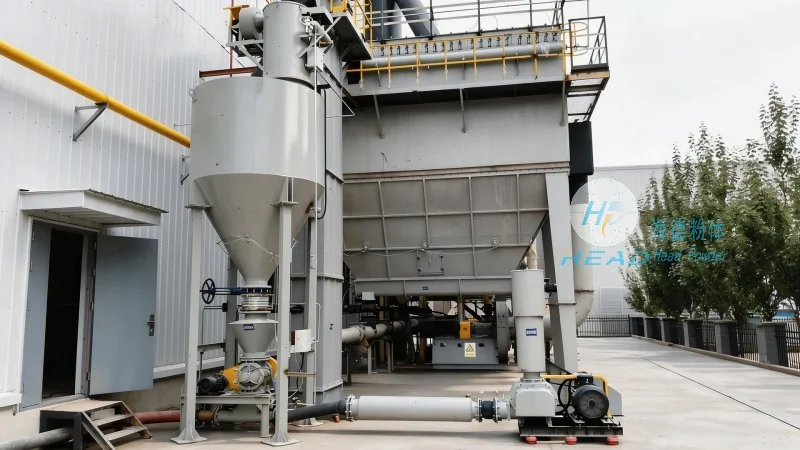
A typical dry FGD ash handling system comprises several key components, each playing a vital role in the overall process. The primary components include ash collection equipment, conveyor systems, storage silos, and discharge mechanisms. Ash collection devices, such as electrostatic precipitators or fabric filters, capture the ash from the flue gas stream. From there, the ash is transferred to a conveyor system, which may include belt conveyors, screw conveyors, or pneumatic conveying lines, depending on the plant's layout and ash characteristics. The conveyor system transports the ash to a storage silo, where it is temporarily stored before further processing or disposal. The design of each component must consider factors like ash moisture content, particle size, and handling capacity to ensure smooth operation and minimize downtime.

Design Principles for Dry FGD Ash Material Handling
The design of a dry FGD ash material handling system is guided by several fundamental principles aimed at optimizing performance, safety, and cost-effectiveness. First, the system must be designed to handle the specific properties of the ash, including its moisture content, which can affect flowability and handling. High moisture content can lead to caking or blockages, so the system often incorporates drying or conditioning steps to improve ash flow. Second, the design must prioritize safety, as FGD ash can contain hazardous substances like heavy metals and acidic components. Proper ventilation, dust control measures, and material selection for equipment are essential to prevent environmental contamination and protect personnel. Third, the system should be scalable and adaptable to future changes in plant operations or ash characteristics. This flexibility allows for easy modifications or expansions without significant reengineering. Finally, the design aims to minimize energy consumption and operational costs by optimizing conveyor speeds, reducing friction, and using efficient control systems.
About Shandong HeadPowder Engineering Co., Ltd.
Shandong HeadPowder Engineering Co., Ltd., commonly known as HeadPowder, is a leading provider of engineering solutions for material handling systems, including those for dry FGD ash. With a strong focus on innovation and customer satisfaction, HeadPowder has developed expertise in designing and manufacturing systems tailored to the unique needs of power plants and industrial facilities. The company's team of experienced engineers and technicians works closely with clients to understand their specific requirements and deliver customized solutions that meet regulatory standards and operational goals. HeadPowder's commitment to quality and reliability has earned it a reputation as a trusted partner in the industry, helping facilities achieve efficient and safe ash handling while minimizing environmental impact.
Conclusion
Dry flue gas desulfurization ash material handling is a complex but essential process in modern industrial operations. The design principles outlined above, combined with the expertise of companies like Shandong HeadPowder Engineering Co., Ltd., ensure that ash is handled efficiently, safely, and in compliance with environmental regulations. By understanding the key components and design considerations, facilities can optimize their ash handling systems to improve performance, reduce costs, and contribute to a more sustainable future.