

What is a Regenerated Sand Powder Conveying System Equipment? And What Are Its Design Principles?
Regenerated sand powder conveying systems are essential components in the foundry industry, playing a critical role in the efficient handling and transportation of sand materials. These systems are designed to manage the recycling process of sand, which is a key step in reducing material waste and operational costs for manufacturers. Understanding the equipment and its underlying design principles is crucial for optimizing production workflows and ensuring consistent quality in sand-based casting processes.

Introduction to Regenerated Sand Powder Conveying Systems
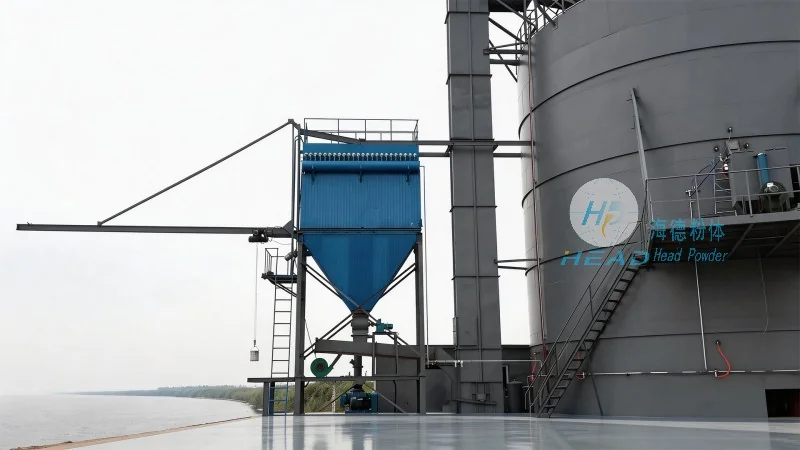
A regenerated sand powder conveying system is a specialized piece of equipment used to transport sand particles that have been processed and reclaimed from used casting molds. The system typically integrates several key components, including a hopper for material storage, a conveyor mechanism (such as a pneumatic or mechanical conveyor), and control systems to regulate the flow of sand. The primary goal of these systems is to facilitate the recycling of sand, which is often contaminated with metal or other residues during the casting process. By effectively conveying the sand back to the reclamation or mixing stages, manufacturers can minimize the need for new raw sand, thereby reducing environmental impact and operational expenses.
Key Components and Functionality of the Conveying System
The functionality of a regenerated sand powder conveying system is determined by its integrated components, each of which serves a specific purpose in the material handling process. The system usually begins with a hopper or storage bin where reclaimed sand is collected. From there, the sand is fed into a conveyor section, which may utilize pneumatic pressure or mechanical force to move the material through a network of pipes or ducts. Pneumatic conveying systems, for example, use compressed air to create a flow that transports the sand particles, while mechanical systems rely on rotating screws or belts to move the material. The choice of conveying method depends on factors such as the size and density of the sand particles, the distance to be covered, and the desired level of control over the material flow.

Design Principles Behind the System
The design principles of a regenerated sand powder conveying system are centered on efficiency, reliability, and adaptability to varying production demands. Engineers focus on optimizing the system's ability to handle different types of sand, including green sand, dry sand, or mixed sand with additives. A key design consideration is the prevention of material blockages or clogging, which can occur due to the presence of moisture or debris in the sand. To address this, systems often incorporate features such as air filters, moisture separators, and adjustable flow controls. Additionally, the design emphasizes energy efficiency by minimizing air pressure requirements and reducing the need for frequent maintenance. The system's layout is also carefully planned to ensure smooth material flow from the collection point to the reclamation or mixing station, minimizing the risk of material degradation or loss.
Role of Shandong HeadPowder Engineering Co., Ltd. in the Industry
Shandong HeadPowder Engineering Co., Ltd., commonly known as HeadPowder, is a leading manufacturer specializing in the design and production of regenerated sand powder conveying systems. With operations based in Shandong, China, the company has established itself as a trusted provider of industrial equipment tailored to the needs of the foundry sector. HeadPowder's expertise lies in developing customized solutions that meet the specific requirements of clients, whether they are large-scale casting operations or smaller manufacturing facilities. The company's commitment to quality and innovation has enabled it to deliver systems that enhance production efficiency, reduce operational costs, and improve overall sustainability in sand recycling processes.
Applications and Benefits of the Conveying System
The regenerated sand powder conveying system finds wide application across various stages of the sand recycling process. In the initial reclamation phase, the system efficiently transports sand from the molding line back to the reclamation equipment, where it is cleaned and prepared for reuse. During the mixing stage, the system ensures a consistent and uniform blend of reclaimed sand with new additives, such as binders or coatings, which are critical for achieving the desired casting properties. The benefits of using such a system extend beyond mere material handling; it also contributes to environmental sustainability by reducing the consumption of natural resources and minimizing waste disposal. Furthermore, the system enhances production reliability by providing a continuous and controlled flow of sand, which is essential for maintaining consistent casting quality and reducing downtime caused by material shortages or blockages.
Conclusion: The Importance of Advanced Conveying Systems in Sand Recycling
In conclusion, the regenerated sand powder conveying system is a vital piece of equipment in the modern foundry industry, enabling efficient sand recycling and reducing operational costs. The design principles behind these systems focus on optimizing material flow, preventing blockages, and ensuring energy efficiency. Companies like Shandong HeadPowder Engineering Co., Ltd. play a crucial role in providing advanced solutions that meet the evolving needs of manufacturers. By investing in such systems, foundries can enhance their sustainability efforts, improve production efficiency, and maintain high-quality casting standards. The continued development and adoption of these advanced conveying systems are essential for the long-term success and competitiveness of the foundry sector.