

What is an Activated Carbon Material Conveying Line? What Are Its Design Principles?
Activated carbon material conveying lines are specialized systems engineered to transport activated carbon, a critical adsorbent widely used in water treatment, air purification, and industrial processes. These lines play a vital role in ensuring efficient material handling, maintaining product integrity, and supporting the operational efficiency of facilities that rely on activated carbon. Understanding the design principles behind such systems is essential for optimizing performance, minimizing downtime, and achieving consistent quality in material transport.

Key Components and Design Considerations
The design of an activated carbon material conveying line involves several key components and considerations tailored to the unique properties of activated carbon. Activated carbon is a porous, high-surface-area material that can be delicate and prone to attrition if not handled properly. Therefore, the conveying system must be designed to minimize particle breakage and maintain the carbon's adsorption capacity. Key components typically include:
- Feeding Hoppers: These hoppers are designed to store and feed activated carbon into the conveying system. They often feature airtight seals and adjustable discharge mechanisms to control the flow rate and prevent dust generation.
- Pneumatic Conveying Systems: Many activated carbon conveying lines utilize pneumatic systems, which use air or gas to transport the material. This method is ideal for handling fine powders and can be more flexible than mechanical systems in terms of layout and integration with existing infrastructure.
- Rotary Valves and Airlocks: These components regulate the flow of activated carbon between different sections of the system, ensuring smooth and controlled movement. They help prevent backflow and maintain consistent pressure within the conveying line.
- Material Handling Equipment: Depending on the application, the system may include conveyors, elevators, or other equipment to transport the carbon vertically or horizontally. The choice of equipment depends on factors such as the distance to be covered, the required throughput, and the space constraints of the facility.
Design considerations also focus on maintaining the carbon's quality. For example, the system may incorporate dust collection and filtration systems to prevent airborne particles from escaping and to protect the environment. Additionally, the materials used in the construction of the conveying line—such as stainless steel or corrosion-resistant alloys—are selected to prevent contamination of the activated carbon and to ensure long-term durability.

System Flow and Operational Principles
The operational principle of an activated carbon material conveying line is centered around the movement of material from a storage point to a processing or application point. The process typically begins with the activated carbon being loaded into the feeding hopper. From there, the material is conveyed through a series of components, such as rotary valves and pneumatic lines, to the final destination. The flow rate is controlled by adjusting the speed of the feeding mechanism or the pressure of the conveying air.
Efficiency in the system is achieved through careful balancing of the conveying air velocity and the material's velocity. If the air velocity is too low, the material may not be fully suspended and could settle in the line, leading to blockages. Conversely, if the air velocity is too high, it may cause excessive wear on the system components and increase energy consumption. Therefore, the design must optimize these parameters to achieve a stable, continuous flow.

Another critical aspect of the design is the prevention of material degradation. Activated carbon's adsorption capacity is sensitive to physical and chemical changes. The conveying system must minimize exposure to moisture, oxygen, or other contaminants that could reduce its effectiveness. This is often achieved through the use of sealed systems and moisture-proof materials.
Applications and Industry Impact
Activated carbon material conveying lines are used in a wide range of industries, including water treatment, pharmaceuticals, food and beverage, and chemical processing. In water treatment facilities, for example, these systems transport activated carbon to filters and reactors where it removes impurities and contaminants from water. In the pharmaceutical industry, the systems ensure that activated carbon is delivered to production lines without contamination, maintaining the quality of final products.
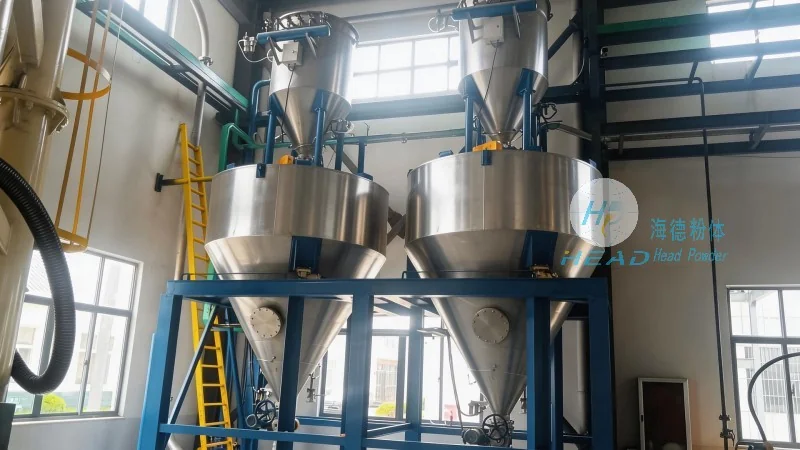
The design principles of these systems directly impact the efficiency and effectiveness of these applications. A well-designed conveying line can reduce the time and cost associated with material handling, improve the consistency of the final product, and enhance the overall operational performance of the facility.
About Shandong HeadPowder Engineering Co., Ltd.
Shandong HeadPowder Engineering Co., Ltd. is a leading provider of specialized material handling solutions, including activated carbon conveying lines. With a focus on innovation and customer satisfaction, the company designs and manufactures systems tailored to the unique needs of each client. HeadPowder's expertise in material handling technology ensures that their conveying lines are efficient, reliable, and built to last. The company's headquarters is located in Shandong, China, where it serves clients both domestically and internationally.