

What is Polyethylene Powder Material Handling Equipment? And What Are Its Design Principles?
Polyethylene powder, a widely used thermoplastic polymer, often requires specialized equipment for efficient handling and transportation. The equipment designed for this purpose is known as polyethylene powder material handling equipment. This equipment is crucial in various industrial applications, including manufacturing, packaging, and processing, where the safe and efficient movement of polyethylene powder is essential. Understanding the design principles behind such equipment is vital for optimizing performance and ensuring operational safety.

The Importance of Specialized Equipment for Polyethylene Powder
Polyethylene powder, due to its fine particle size and cohesive properties, can be challenging to handle. Traditional bulk material handling systems may not be suitable for polyethylene powder, as it can lead to issues like caking, bridging, and dust generation. Specialized equipment addresses these challenges by providing features tailored to the unique characteristics of polyethylene powder. These features include efficient feeding, uniform flow control, and effective dust suppression mechanisms. The use of specialized equipment ensures that polyethylene powder is handled in a manner that maintains its quality and prevents contamination.

Key Components and Design Principles of Polyethylene Powder Handling Equipment
The design of polyethylene powder material handling equipment involves several key components and principles aimed at optimizing performance and safety. One of the primary components is the hopper or feeder, which is designed to provide a consistent and controlled flow of polyethylene powder. The hopper is typically made of materials resistant to the chemical properties of polyethylene and is equipped with features to prevent material buildup and caking. Another critical component is the conveyor system, which may include screw conveyors, pneumatic conveyors, or belt conveyors, depending on the specific application and material characteristics. The design of the conveyor system focuses on minimizing friction and ensuring smooth material movement to prevent degradation of the polyethylene powder.
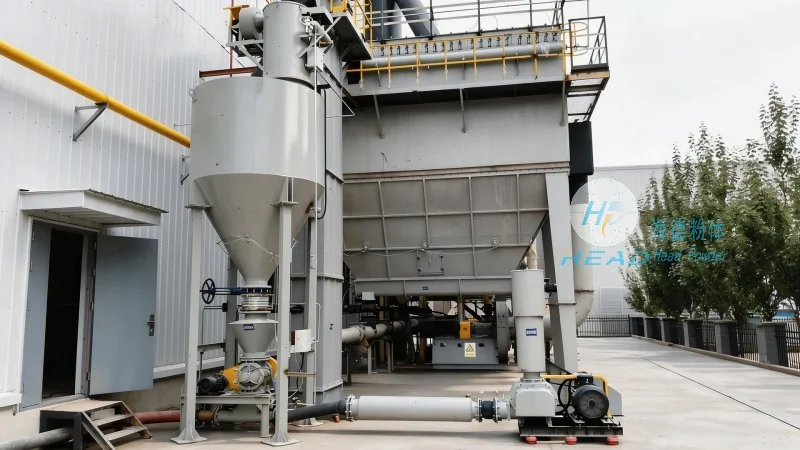
Design principles also emphasize the importance of dust control and environmental safety. Polyethylene powder can generate significant dust during handling, which poses health and safety risks. Therefore, equipment is often equipped with dust collection systems, such as cyclones or baghouses, to capture and remove airborne particles. Additionally, the design may include features like sealed hoppers and enclosed conveyor systems to minimize dust exposure and comply with environmental regulations. The selection of appropriate materials for construction, such as stainless steel or corrosion-resistant alloys, is also a key design consideration to ensure the longevity and reliability of the equipment.
Applications and Benefits of Polyethylene Powder Handling Equipment
Polyethylene powder handling equipment is used in a variety of applications across different industries. In the manufacturing sector, it is used in the production of plastic products, where the equipment ensures a steady supply of polyethylene powder to processing machines. In the packaging industry, specialized equipment is used to fill and seal polyethylene powder into containers, ensuring consistent product quality and preventing contamination. The benefits of using such equipment include improved efficiency in material handling, reduced downtime due to equipment malfunctions, and enhanced safety for operators. Additionally, the equipment helps in maintaining the quality of the polyethylene powder by preventing exposure to moisture, air, and other contaminants that could affect its properties.

Conclusion: The Role of Specialized Equipment in Polyethylene Powder Handling
In conclusion, polyethylene powder material handling equipment plays a crucial role in the efficient and safe handling of this important thermoplastic polymer. The design principles behind such equipment are tailored to address the unique challenges posed by polyethylene powder, including its fine particle size, cohesive properties, and potential for dust generation. By incorporating features like controlled feeding, efficient conveying, and effective dust suppression, specialized equipment ensures optimal performance and operational safety. The use of high-quality materials and adherence to design principles also contributes to the longevity and reliability of the equipment, making it a valuable asset in various industrial applications. As the demand for polyethylene products continues to grow, the importance of specialized material handling equipment will remain significant in ensuring the efficient and safe production and processing of polyethylene powder.