

What is a Negative Pressure Vacuum Material Handling Equipment? What are its Design Principles?
HeadPowder, a leading manufacturer based in Shandong, China, specializes in providing advanced solutions for material handling and processing. This article delves into the concept of negative pressure vacuum material handling equipment, exploring its fundamental design principles and operational mechanisms.

Understanding Negative Pressure Vacuum Material Handling Equipment
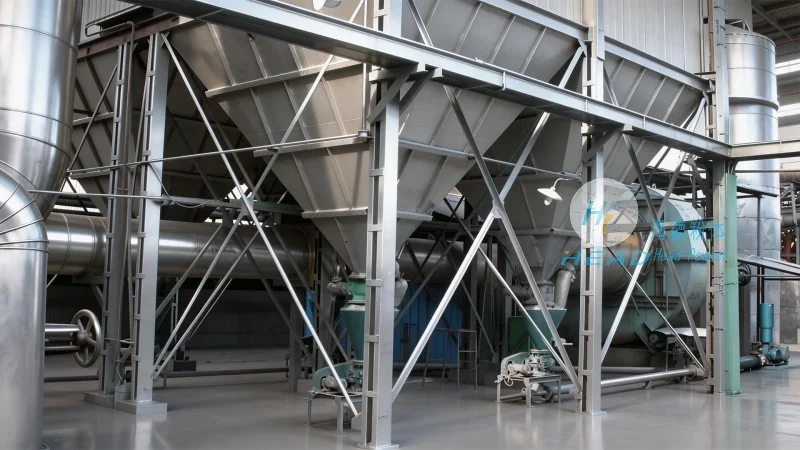
Negative pressure vacuum material handling equipment is a sophisticated system designed to transport bulk materials through a vacuum environment. Unlike traditional positive pressure systems, this technology operates by creating a partial vacuum in the conveying line, which draws the material from the source to the destination. The core components of such equipment typically include a vacuum pump, a material feed hopper, a conveying tube, and a discharge mechanism. This system is widely used in industries like pharmaceuticals, food processing, and chemical manufacturing, where maintaining material integrity and controlling dust are critical.

Key Design Principles of Negative Pressure Vacuum Conveying Systems
The design of negative pressure vacuum material handling equipment is centered on several key principles to ensure efficient and reliable material transport. First, the system must generate sufficient negative pressure to overcome the resistance of the material and the conveying line. This is achieved through the selection of an appropriate vacuum pump, which can handle the specific air volume and pressure requirements of the application. Second, the material feed mechanism is crucial for maintaining a consistent flow of material into the vacuum line. The hopper design, often equipped with a rotary valve or a gate valve, controls the rate at which material is introduced, preventing blockages and ensuring smooth operation. Third, the conveying tube material and diameter are carefully chosen to minimize friction and pressure drop. Typically, stainless steel or food-grade plastic tubes are used to prevent material contamination and corrosion. Fourth, the discharge system is designed to release the material at the destination under controlled conditions, often using a venturi or a pressure relief valve to manage the vacuum pressure.

Operational Advantages and Applications
Negative pressure vacuum material handling equipment offers several advantages over traditional methods. One of the primary benefits is the ability to handle fine powders and granules without generating excessive dust, which is essential in industries where air quality and product purity are paramount. The vacuum environment also helps in controlling the material's temperature and moisture content, preserving its quality during transport. Additionally, this system is flexible and can be easily integrated into existing production lines, allowing for modular expansion as production needs change. The applications of this technology span a wide range of industries, including the pharmaceutical sector for transporting active pharmaceutical ingredients (APIs), the food industry for handling flour and sugar, and the chemical industry for conveying powders and pigments. Each application requires tailored design considerations to optimize performance and meet regulatory standards.
Conclusion
HeadPowder's expertise in designing and manufacturing negative pressure vacuum material handling equipment reflects a deep understanding of the technical and operational requirements of various industries. By adhering to rigorous design principles and using high-quality components, the company ensures that its systems deliver reliable, efficient, and safe material transport solutions. For businesses seeking to enhance their material handling processes, understanding the design and benefits of negative pressure vacuum equipment is essential. HeadPowder, with its strong presence in Shandong, China, continues to be a trusted partner in providing innovative solutions that meet the evolving needs of modern manufacturing.